
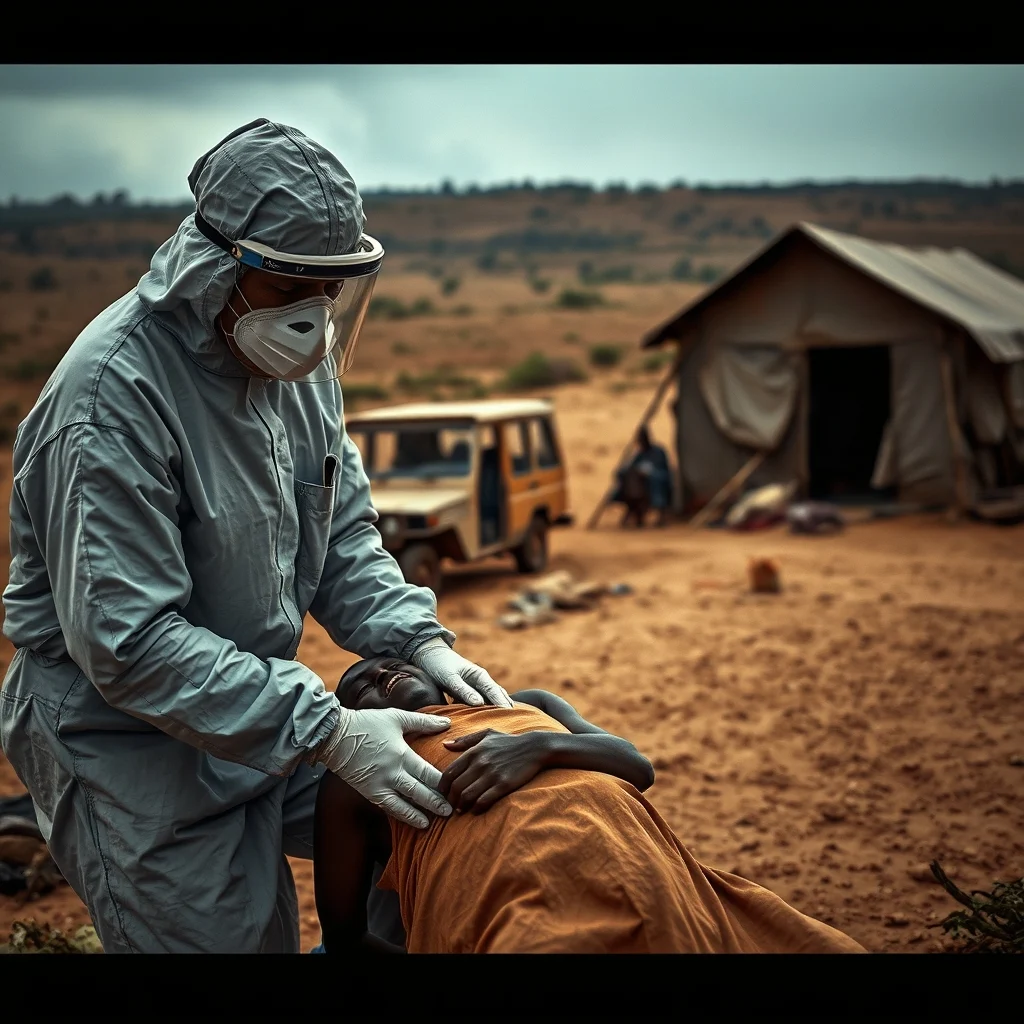
The Democratic Republic of Congo reported on Monday that confirmed deaths from the current Ebola outbreak have surpassed 100, reaching 101, as ongoing threats from armed groups continue to impede vital response efforts in the hardest-hit provinces. The outbreak, identified as the Bundibugyo strain, was officially declared on May 15th but had been circulating undetected for weeks, complicating containment strategies.
Context of the Outbreak
This latest Ebola epidemic is unfolding across three eastern provinces of the Democratic Republic of Congo: Ituri, North Kivu, and South Kivu. These regions have been long-standing epicenters of armed conflict, creating a complex and volatile environment for public health interventions.
Escalating Case Numbers and Geographic Spread
In its latest situation report released Monday, the Congolese government detailed a significant increase in cases, recording 35 new confirmed cases within the preceding 24 hours, which included 10 deaths. This brings the total number of confirmed cases to 550 and the confirmed death toll to 101. The virus has now spread across 17 health zones in Ituri province, seven in North Kivu, and one in South Kivu, highlighting its expanding reach.
Obstacles to Response Efforts
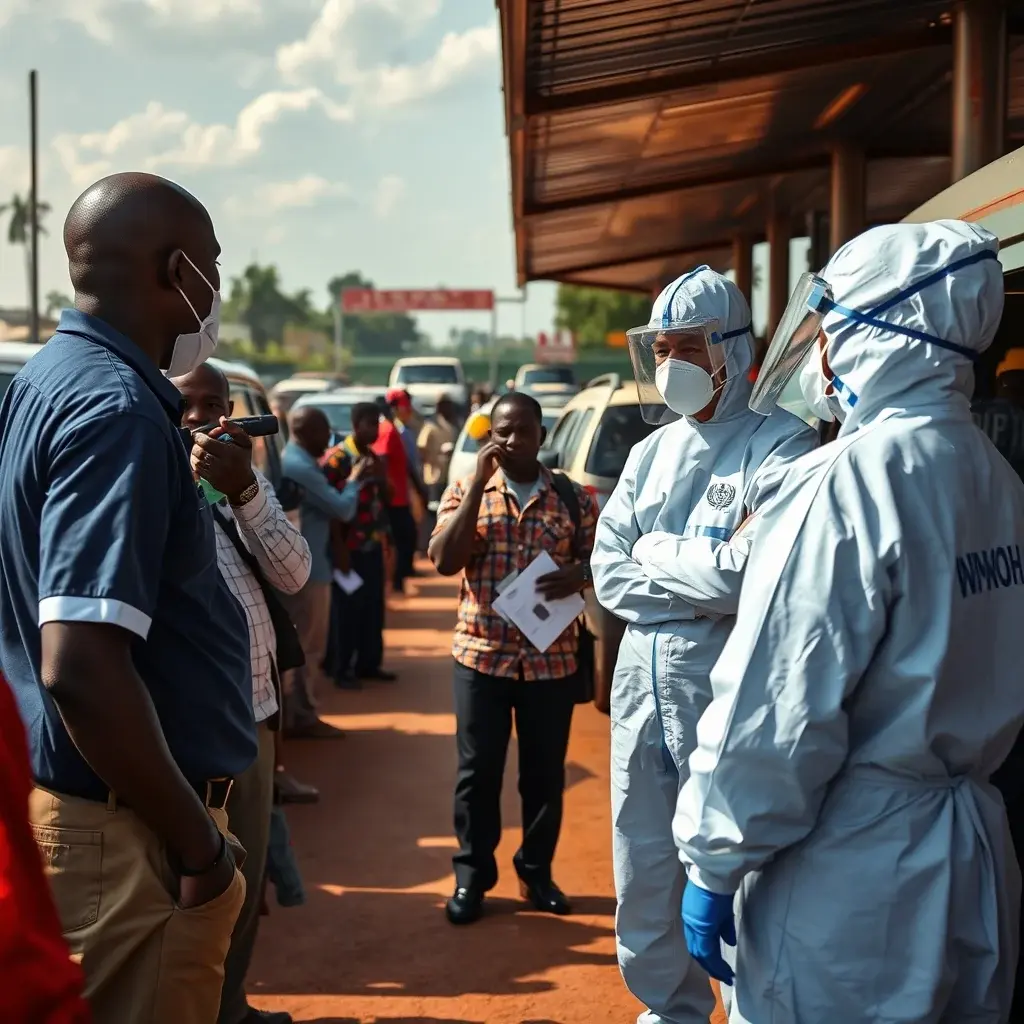
The Ebola response has been significantly hampered by widespread mistrust and resistance within affected communities. Reports indicate that burial teams and treatment centers have been targeted. A recent incident on Sunday saw a burial team attacked at the Nyamurongo cemetery in Bunia, the capital of Ituri province. The attack left two individuals seriously injured and damaged two vehicles, underscoring the dangerous conditions faced by health workers.
The government’s situation report explicitly stated that the presence of armed groups in key areas of Ituri, including Djugu, Irumu, and Mambasa, continues to restrict humanitarian access to multiple health zones that are either affected or at risk of infection. Despite these challenges, Bunia itself is reported to be relatively calm.
Conflicting Data and Agency Reports
Earlier on Monday, the Africa Centres for Disease Control and Prevention (Africa CDC) provided a slightly different figure, stating that confirmed Ebola cases in Congo had risen to 544. The Africa CDC’s report indicated 88 confirmed deaths, a discrepancy from the national government’s figures that may reflect different reporting timelines or methodologies.
Implications for Public Health and Security
The escalating death toll and the persistent security challenges pose a grave threat to containing this Ebola outbreak. The inability to access affected areas safely and the community resistance significantly delay the implementation of crucial control measures, such as contact tracing, vaccination, and safe burial practices. This situation risks prolonging the epidemic and potentially increasing its geographic spread.
The involvement of armed groups not only endangers health workers but also exacerbates the vulnerability of the population, who may be hesitant to seek medical help or cooperate with authorities due to fear. The interlinked nature of conflict and disease outbreaks in this region presents a formidable challenge for both national health bodies and international aid organizations.
Looking Ahead
The international community and Congolese authorities face a critical juncture. The focus will likely remain on efforts to de-escalate tensions in conflict zones, enhance security for healthcare personnel, and rebuild trust with affected communities. The success of the Ebola response hinges on the ability to overcome these multifaceted obstacles. Observers will be watching closely to see if increased international diplomatic pressure or security support can facilitate safer access for health teams and if community engagement strategies can effectively counter misinformation and fear.





Leave a Reply