
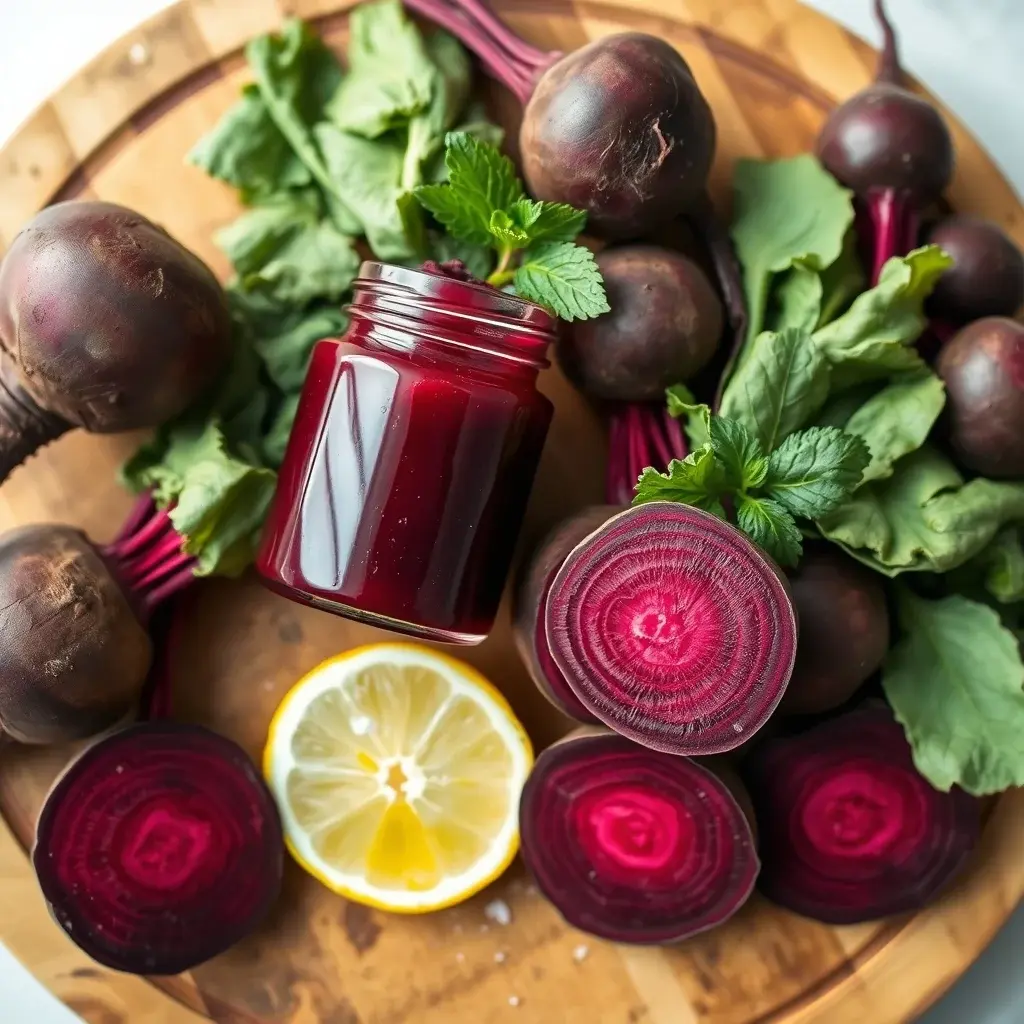
Registered dietitian and clinical nutritionist Prince Ishmael Dimah is championing the humble beetroot as a powerful, accessible dietary intervention to combat the global rise in non-communicable diseases, particularly hypertension. Speaking at an online educational event, Dimah highlighted that daily consumption of beetroot, whether as juice or in salads, can significantly improve cardiovascular health by lowering blood pressure and cholesterol.
The Science Behind Beetroot’s Cardiovascular Benefits
Dimah explained that beetroot’s therapeutic effects stem from its rich nutritional profile, specifically its high concentration of inorganic nitrates. When consumed, these nitrates are converted in the body into nitric oxide (NO).
Nitric oxide is a crucial vasodilator, meaning it relaxes and widens the inner muscles of blood vessels. This widening reduces systemic vascular resistance, allowing blood to flow more freely.
The result is a notable decrease in blood pressure and an optimized delivery of oxygen and nutrients throughout the body. Dimah noted that consuming approximately 100 grams of beetroot daily can contribute to essential vitamin and mineral levels that help mitigate cardiovascular risks like hypertension, strokes, and heart attacks.
Integrating Beetroot into Daily Diets
To harness these health benefits, Dimah recommends a daily intake of around 100 grams of beetroot. This quantity can be easily incorporated into daily meals in several ways.
One popular method is consuming fresh beetroot juice, which can be cold-pressed. For enhanced nutrient stability and flavor, blending it with a touch of local citrus is suggested.
Alternatively, beetroot can be enjoyed in dressed salads. It can be consumed raw, grated, or lightly steamed before being sliced and added to a variety of fresh vegetable combinations.
A Shift Towards Accessible Nutrition
Dimah’s advocacy aligns with a growing movement in public health that emphasizes evidence-based, accessible, and local food choices for disease prevention and management. By highlighting the potent benefits of a readily available vegetable like beetroot, healthcare professionals are empowering individuals to take proactive control of their cardiovascular wellness.
This approach offers a cost-effective and natural alternative or complement to conventional medical treatments for hypertension and related conditions, addressing the escalating burden of non-communicable diseases worldwide.
As research continues to explore the multifaceted health benefits of functional foods, beetroot stands out as a prime example of how simple dietary adjustments can yield significant positive impacts on public health. The focus on such interventions is likely to grow as healthcare systems worldwide seek sustainable and effective strategies to combat chronic diseases.










Leave a Reply