
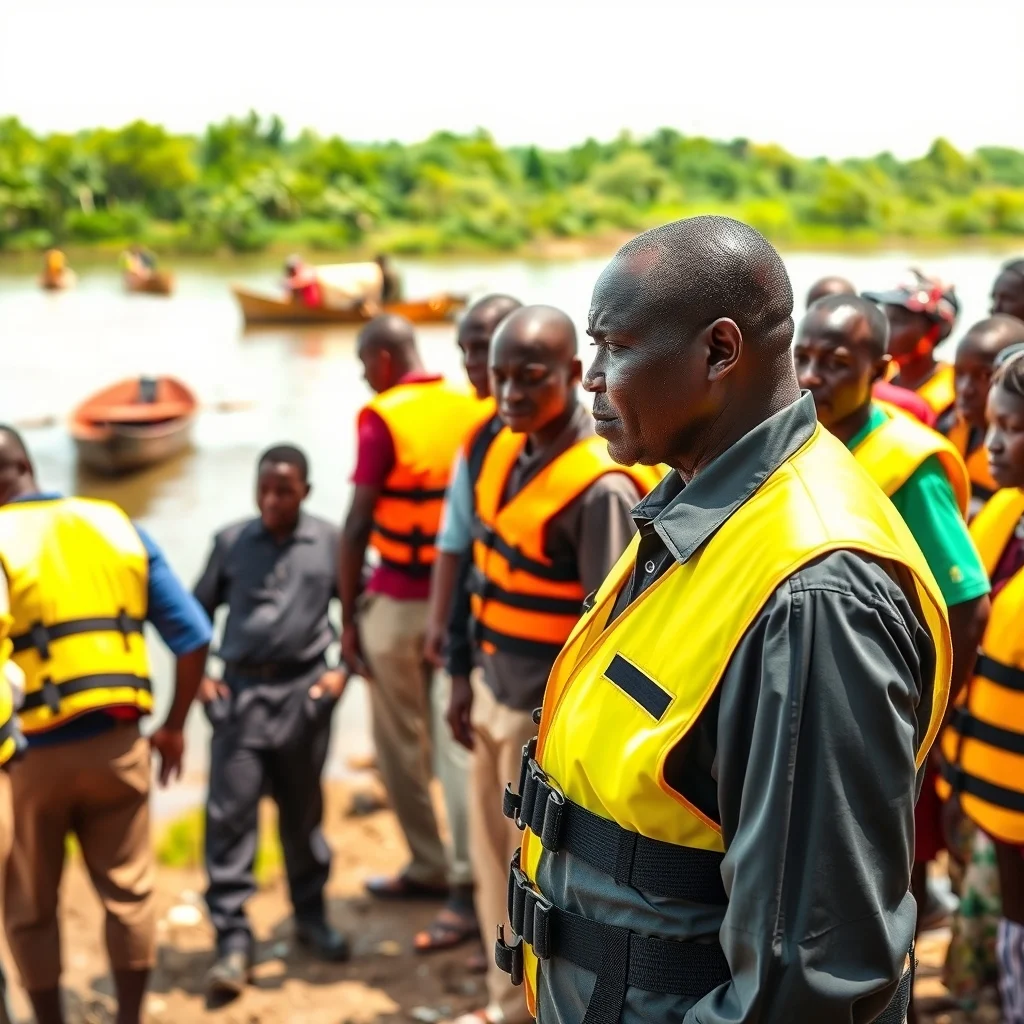
Accra, Ghana – The Minister for Transport, Joseph Bukari Nikpe, officially launched the “Safety Water Guards” and the “Life Jacket for Safety and Livelihood Initiative” on [Insert Date of Launch, e.g., Tuesday] in Ghana. This key initiative aims to significantly improve safety standards and reduce accidents on the nation’s inland waterways, protecting both commuters and vital fishing communities.
Government’s Commitment to Water Safety
The launch underscores the government’s unwavering commitment to prioritizing the safety of citizens who rely on water transportation. Minister Nikpe emphasized that these measures are designed to safeguard lives and ensure the sustainability of livelihoods dependent on Ghana’s rivers, lakes, and other water bodies.
“We want, on behalf of His Excellency the President, to officially commission the Safety Water Guards and launch the Life Jacket for Safety and Livelihood Initiative today,” stated Minister Nikpe during the ceremony. He clarified that the intervention is not meant to impose undue burdens but to foster a culture of safety and responsible navigation.
Strengthening Water Transport Infrastructure and Regulation
The introduction of Safety Water Guards signifies a proactive approach to monitoring and enforcing safety regulations on inland waterways. These guards are expected to play a crucial role in educating water users and ensuring compliance with safety protocols, thereby preventing common accidents.
The Life Jacket for Safety and Livelihood Initiative directly addresses the critical need for personal protective equipment. By promoting and potentially distributing life jackets, the government aims to equip individuals with essential safety gear, drastically reducing fatalities in case of emergencies or capsizing incidents.
Community Engagement and Compliance
Minister Nikpe urged the public to adhere strictly to directives issued by the Ministry of Transport and its regulatory bodies, particularly the Ghana Maritime Authority. This call for cooperation is vital for the success of the initiative and the overall reduction of preventable water accidents.
“This is how we want to protect lives, this is how we want to secure our livelihoods, and this is how we want Ghanaians to ensure that they respect all safety policies,” he remarked, highlighting the dual benefit of enhanced safety and protected economic activities.
Broader Implications for National Development
Safer inland waterways are not just about preventing accidents; they are integral to national development. Improved water transport safety can boost economic activities, facilitate trade, and enhance the livelihoods of communities living along these vital routes. The government views these measures as contributing significantly to the nation’s progress.
The Ministry of Transport remains dedicated to implementing a comprehensive suite of measures to make water transportation a secure and reliable mode of travel. This includes ongoing efforts to improve infrastructure, enhance training for boat operators, and increase public awareness campaigns about water safety.
Looking Ahead: Enforcement and Expansion
The success of the Safety Water Guards and the Life Jacket initiative will hinge on consistent enforcement and widespread adoption. Stakeholders will be watching closely to see how effectively these programs are rolled out across various inland water bodies and how they impact accident statistics. Future developments may include expanded training programs for water users and potential technological integration for monitoring waterway traffic and safety compliance.








Leave a Reply