
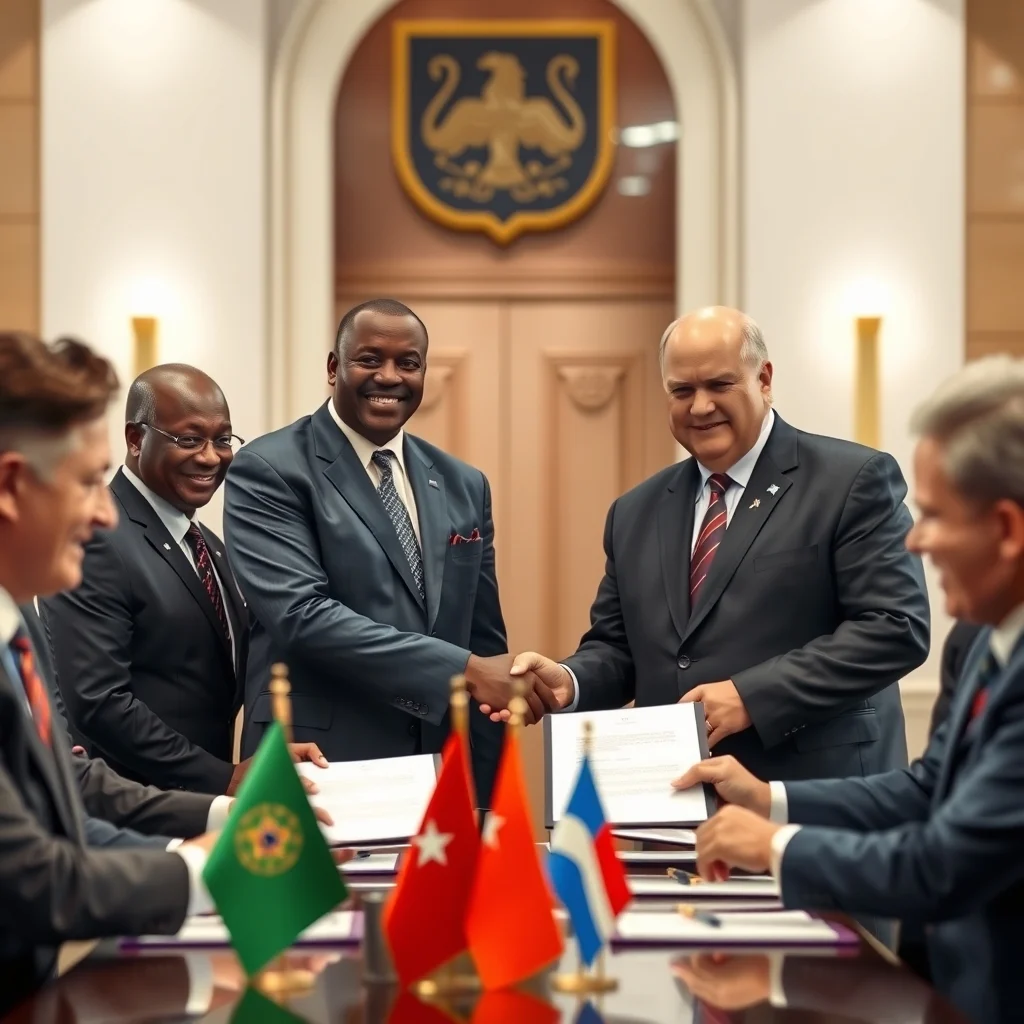
Accra, Ghana & Minsk, Belarus – During a high-level state visit to Belarus this week, Ghanaian President John Dramani Mahama witnessed the signing of three significant Memoranda of Understanding (MoUs) aimed at bolstering bilateral cooperation in critical sectors including trade, agriculture, and economic development. The agreements mark a pivotal moment in strengthening the diplomatic and economic relationship between Ghana and Belarus.
Strengthening Bilateral Cooperation
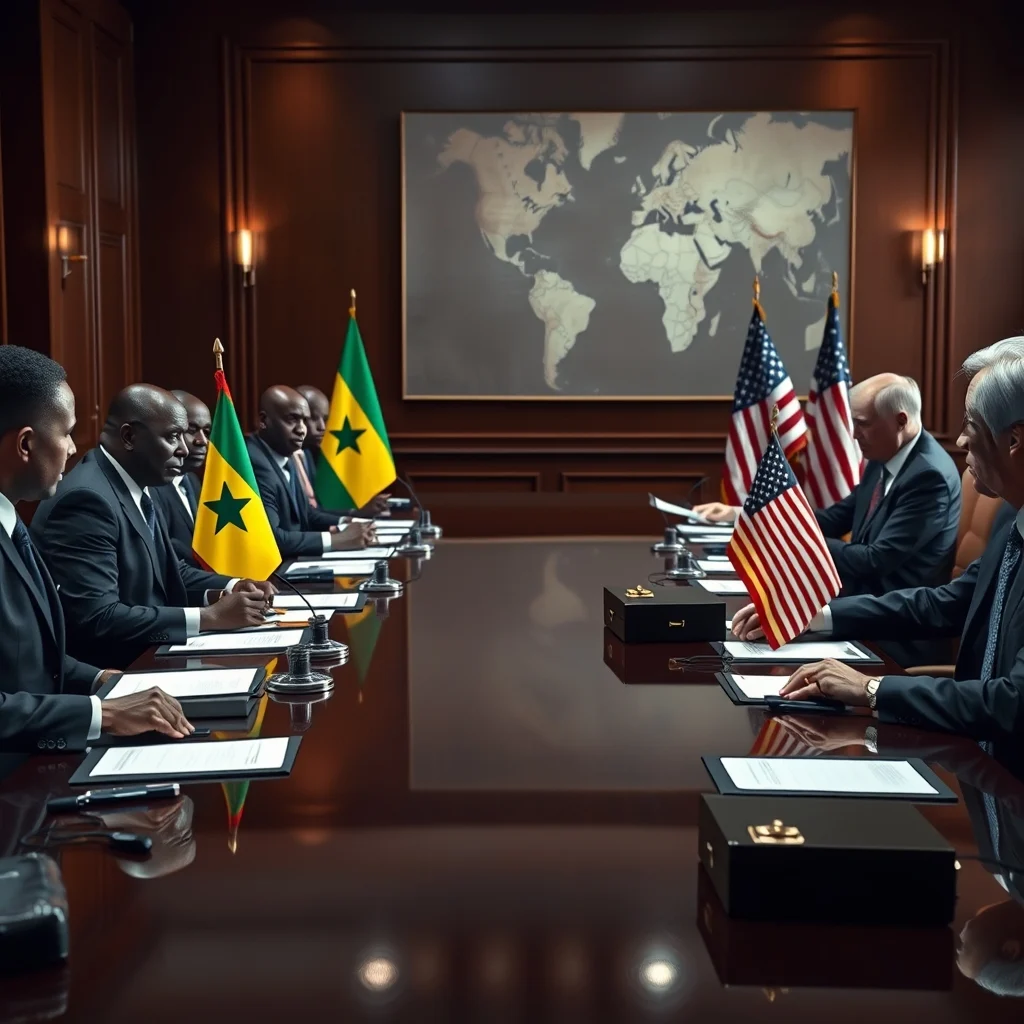
The state visit, which included a private meeting between President Mahama and Belarusian President Alexander Lukashenko, culminated in official bilateral discussions. These discussions laid the groundwork for the signing of the MoUs, which were executed by key Ghanaian ministers and diplomats. Foreign Affairs Minister Samuel Okudzeto Ablakwa, Ghana’s Ambassador to the Russian Federation Jehu Appiah, and Food and Agriculture Minister Eric Opoku represented Ghana in the signing ceremonies.
Key Areas of Agreement
The MoUs specifically target the establishment of a Joint Commission on Trade and Economic Cooperation, fostering direct engagement between the business communities through cooperation between the Chambers of Commerce of both nations, and enhancing collaboration in the agricultural sector. These agreements are designed to create structured pathways for increased economic activity and knowledge exchange.
President Mahama highlighted the agricultural sector as a cornerstone of this renewed partnership. He emphasized the potential for significant advancements through mechanization, technology transfer, joint research initiatives, and attracting investment. This focus underscores Ghana’s commitment to modernizing its agricultural base and ensuring food security.
Context of the Visit
This state visit signifies a strategic move by Ghana to diversify its international partnerships and explore new avenues for economic growth. Belarus, known for its industrial and agricultural expertise, presents a unique opportunity for Ghana to access technologies and best practices that can be adapted to the Ghanaian context. The agreements are expected to facilitate the exchange of goods, services, and expertise, moving beyond traditional diplomatic ties to concrete economic collaboration.
Expert Perspectives and Data
While specific data points from the MoUs were not immediately released, the emphasis on agriculture aligns with Ghana’s national development agenda, which prioritizes transforming the sector to drive economic growth and create employment. According to the Food and Agriculture Organization of the United Nations (FAO), agricultural mechanization can significantly boost productivity, reduce post-harvest losses, and improve farmer incomes. Cooperation in this area with a country like Belarus, which has a strong agricultural machinery industry, could prove highly beneficial.
Similarly, the establishment of a Joint Commission on Trade and Economic Cooperation is a standard mechanism for developing countries to systematically address trade barriers, promote investment, and identify market opportunities. Such commissions often lead to tangible outcomes like increased export volumes and the establishment of joint ventures.
Implications for Ghana and Belarus
For Ghana, these MoUs signal a potential influx of Belarusian agricultural technology and expertise, which could modernize farming practices and enhance food production. Increased trade and investment facilitated by the Chambers of Commerce could open new markets for Ghanaian products and attract foreign direct investment. This partnership could also lead to the creation of jobs and stimulate rural economies.
Belarus stands to gain from expanded export markets for its agricultural machinery and technology, as well as potential investment opportunities in Ghana’s growing economy. The agreements also offer Belarus a strategic partner in West Africa, potentially opening doors for further economic and diplomatic engagement across the continent.
Looking Ahead
The successful signing of these MoUs is just the first step. The true impact will depend on the diligent implementation of the agreed-upon frameworks. Observers will be watching closely to see how quickly joint projects materialize and how effectively the established commissions and chambers facilitate practical cooperation. Key indicators to monitor will include the volume of trade between the two nations, the number of joint ventures initiated, and the transfer of agricultural technologies. The commitment to these agreements will be crucial in transforming the diplomatic handshake into sustained economic prosperity for both Ghana and Belarus.




Leave a Reply