
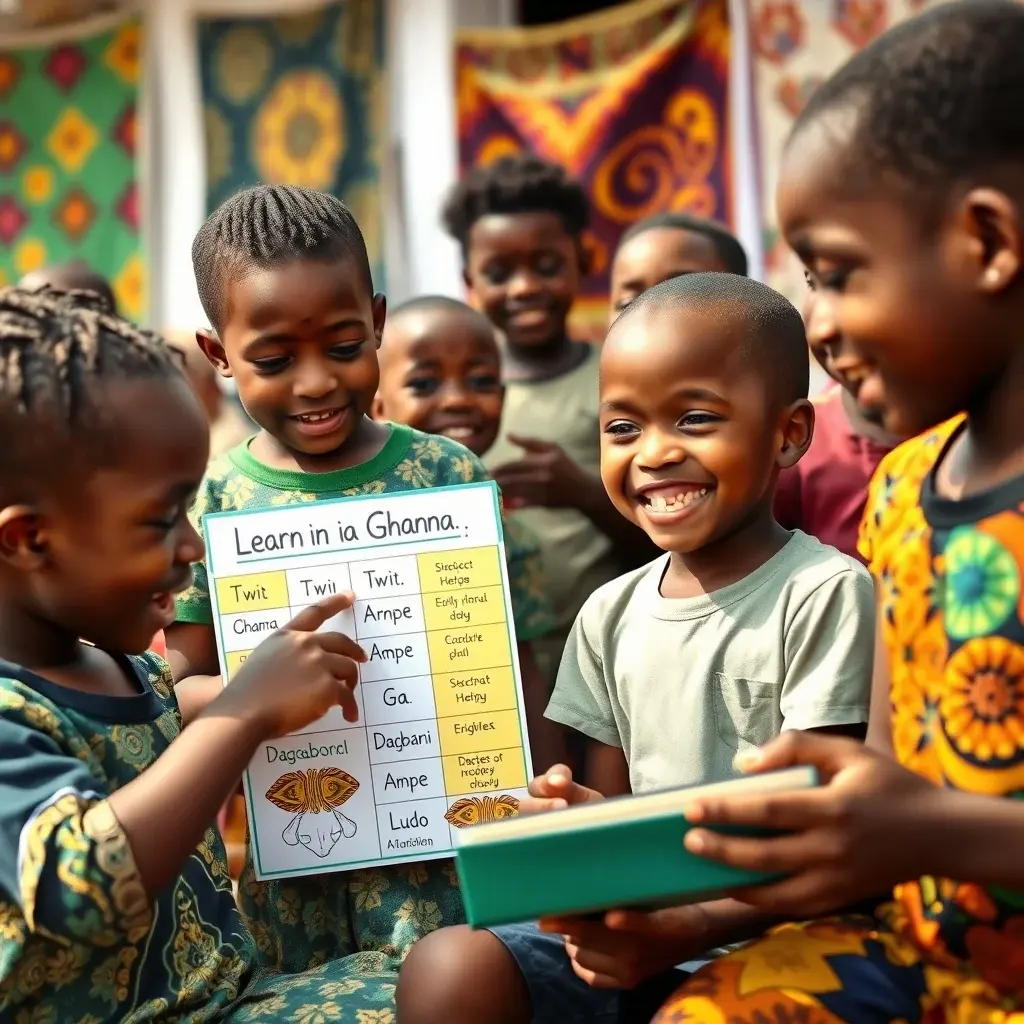
A recent report revealed that only 11.8% of private and international schools in Ghana consistently teach a Ghanaian language, raising significant concerns about the preservation of the nation’s cultural identity. The findings were presented at the launch of the Kids Discovering Ghana initiative, highlighting a critical gap in cultural education.
Cultural Disconnect in Education
The study also found that approximately 71% of these private and international institutions do not incorporate traditional games into their learning processes. This suggests a broader trend of neglecting indigenous knowledge and cultural values in the educational experiences of Ghanaian youth.
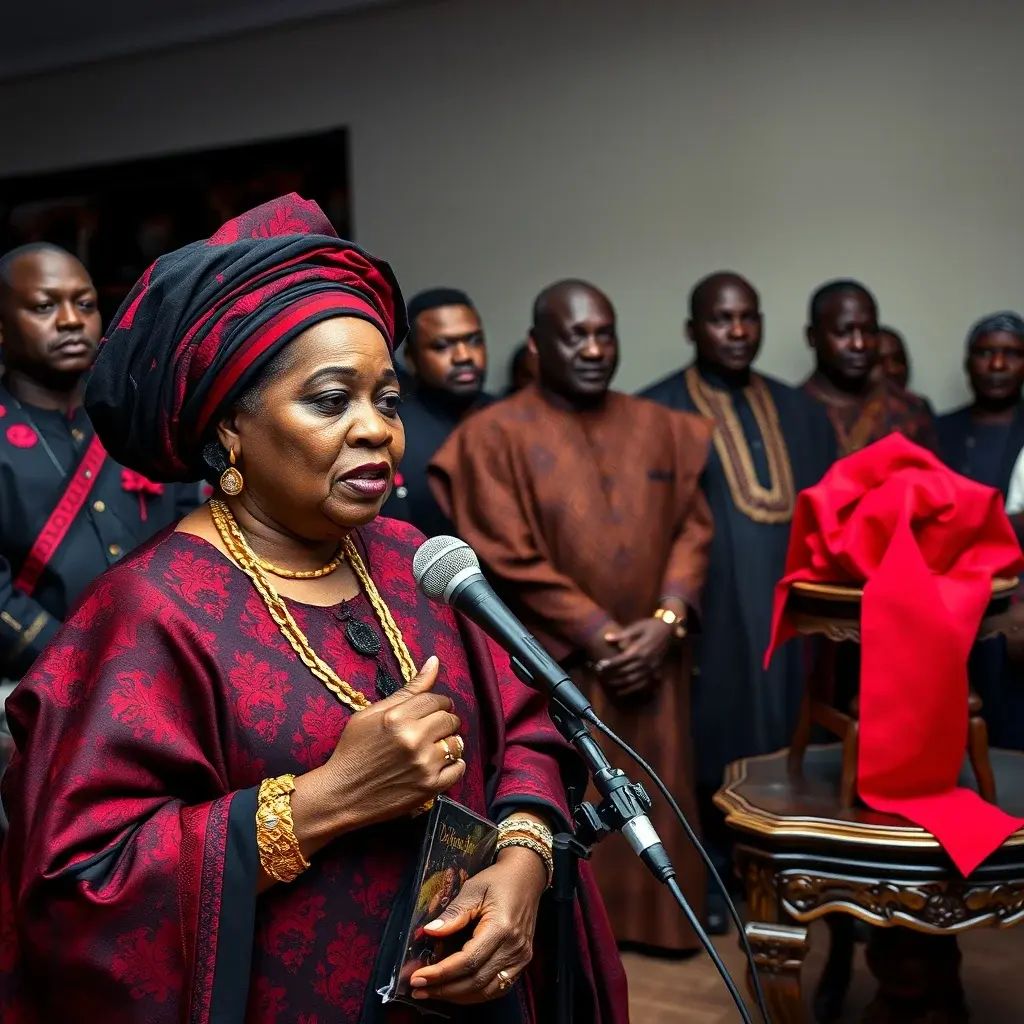
Eleanora Baffour-Agyei, founder of the Kids Patriot Club and the Kids Discovering Ghana initiative, described the situation as a grave national concern. She warned that this trend threatens Ghana’s rich cultural heritage and is leading to a growing disconnect among children from their linguistic and historical roots.
The Vital Role of Indigenous Languages
Baffour-Agyei emphasized the critical role language plays in safeguarding culture, identity, and traditional knowledge. “Every time a Ghanaian child is unable to speak their mother tongue, a piece of our history dies,” she stated, underscoring the urgency of the issue.
Echoing these sentiments, Ebenezer Ahiator, Director of the Bureau of Ghana Languages, stressed that language transcends mere communication. He explained that learning indigenous greetings like ‘Maakye’ in Twi, ‘Kormando’ in Dagbani, or ‘Oo ba ke’ in Ga means inheriting the wisdom, proverbs, and worldview of ancestors.
Ahiator also pointed to a widening generational gap, noting that many children are more familiar with foreign cultural references than with Ghanaian historical figures and traditions. “Our children are slowly losing their grip on who they are,” he cautioned.
Government and Stakeholder Support
The Ministry of Tourism, Culture and Creative Arts has lent its support to the initiative, recognizing cultural education as fundamental to nation-building and identity formation. The Ministry asserts that fostering national pride and civic responsibility begins in early childhood.
“By immersing our younger generation in the rich heritage, diverse languages, and vibrant traditions of our motherland, we are securing the very soul of Ghana’s future,” a Ministry statement read. This highlights a national recognition of the importance of cultural transmission.
Initiatives and Future Outlook
Stakeholders present at the event called for enhanced collaboration among government agencies, educational institutions, and the media. The goal is to actively promote Ghanaian languages and cultural traditions.
The Kids Discovering Ghana initiative, which started as a community project in 2017, has expanded to a national program. It has so far engaged over 1,500 children through various cultural and educational activities.
Organizers plan for the 2026 edition to include dedicated language-learning corners, traditional games, cultural performances, and civic education sessions. These efforts aim to reconnect young people with Ghana’s diverse linguistic and cultural heritage.
Participants expressed optimism that such interventions can help reverse the decline in local language usage and bolster cultural awareness among future generations. The success of these programs will be crucial in ensuring the continuity of Ghana’s unique cultural identity.






Leave a Reply