
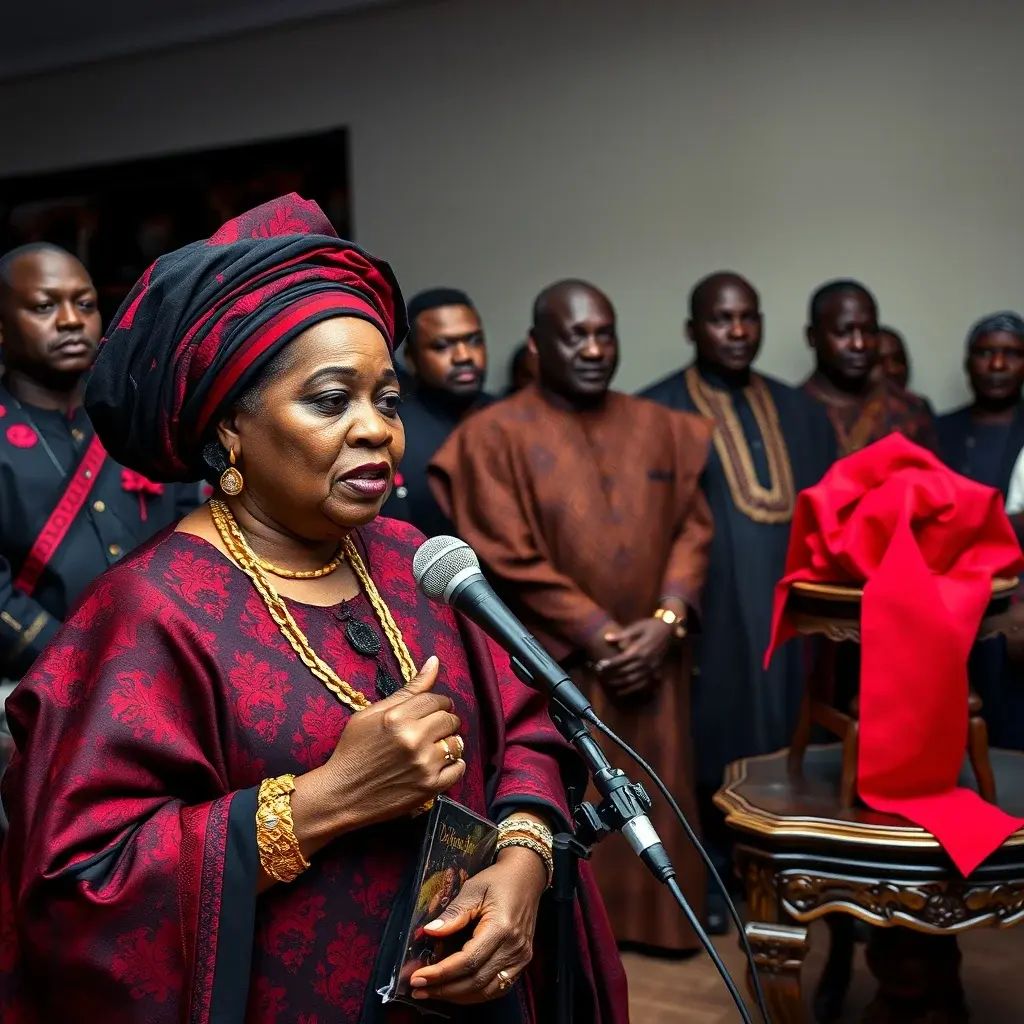
The Awutu Traditional Council in the Central Region has announced the passing of its Paramount Chief, Nai Abokuade Agyeman Wyettey Otabil III, who died following a short illness. The announcement, made by Queen Mother Naakye Dode Akaabi XIV on Tuesday, June 9, also confirmed the appointment of Gyasehene Nai Kojo Ahene as the Acting Omanhene pending the selection of a substantive successor. This transition follows customary rites and the commencement of an official mourning period, marked by the lowering of flags to half-mast across the Awutu area.
Context of Leadership Transition
The death of a paramount chief initiates a significant period of change within traditional Ghanaian governance structures. This process involves not only the mourning of a respected leader but also the intricate customary and legal procedures for selecting and installing a new chief. The Awutu Traditional Council, like others, adheres to established protocols to ensure continuity and stability.
Nai Abokuade Agyeman Wyettey Otabil III was described by the Queen Mother as a respected leader and unifier whose reign contributed to the development of the Awutu Traditional Area. His passing leaves a void that the council is now tasked with filling through a carefully managed succession process.
Appointment of Acting Chief and Call for Unity
During a press conference attended by traditional leaders and community members, Naakye Dode Akaabi XIV formally announced the appointment of Nai Kojo Ahene, the Gyasehene, as the Acting Omanhene. This interim leadership is crucial for maintaining the administrative functions of the Traditional Council during the period of mourning and succession planning.
The Queen Mother urged the residents of Awutu to remain calm and assured them that the council would follow due process in appointing a successor who embodies the legacy of the late Omanhene. This call for calm is a common feature during such transitions to prevent potential disputes and maintain social harmony.
Divisional chiefs present at the announcement emphasized the importance of unity among traditional authorities and members of the royal family. They highlighted the need for a smooth transition, free from disputes, both during the burial rites of the late chief and the subsequent installation of his successor.
Pledges for Continuity and Development
The newly appointed Acting Omanhene, Nai Kojo Ahene, publicly pledged to collaborate closely with the Dode Royal Family and other stakeholders. His commitment is to facilitate a seamless selection and installation process for the next substantive paramount chief.
Furthermore, Nai Kojo Ahene expressed his dedication to upholding peace and stability within the traditional area. He also committed to ensuring that the development agenda for the Awutu State continues without interruption, underscoring the importance of sustained progress even amidst leadership changes.
Looking Ahead
The focus now shifts to the internal deliberations and customary practices that will guide the selection of a new Omanhene. The unity and cooperation called for by the divisional chiefs will be paramount in navigating this process. The ability of the Awutu Traditional Council to manage this transition effectively will be a key indicator of its strength and the community’s resilience. Residents will be watching to see how the council balances tradition with the evolving needs of the Awutu State and how the new leadership will steer future development initiatives.








Leave a Reply