
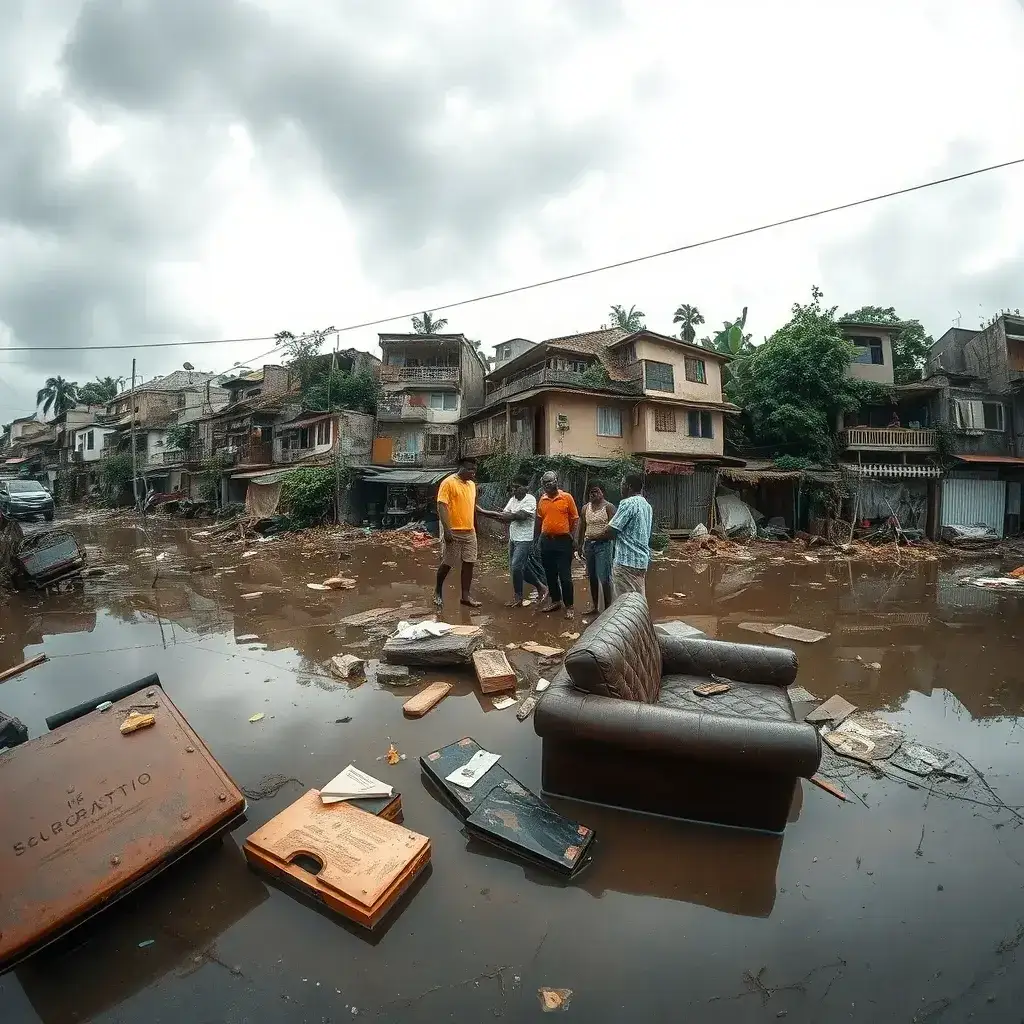
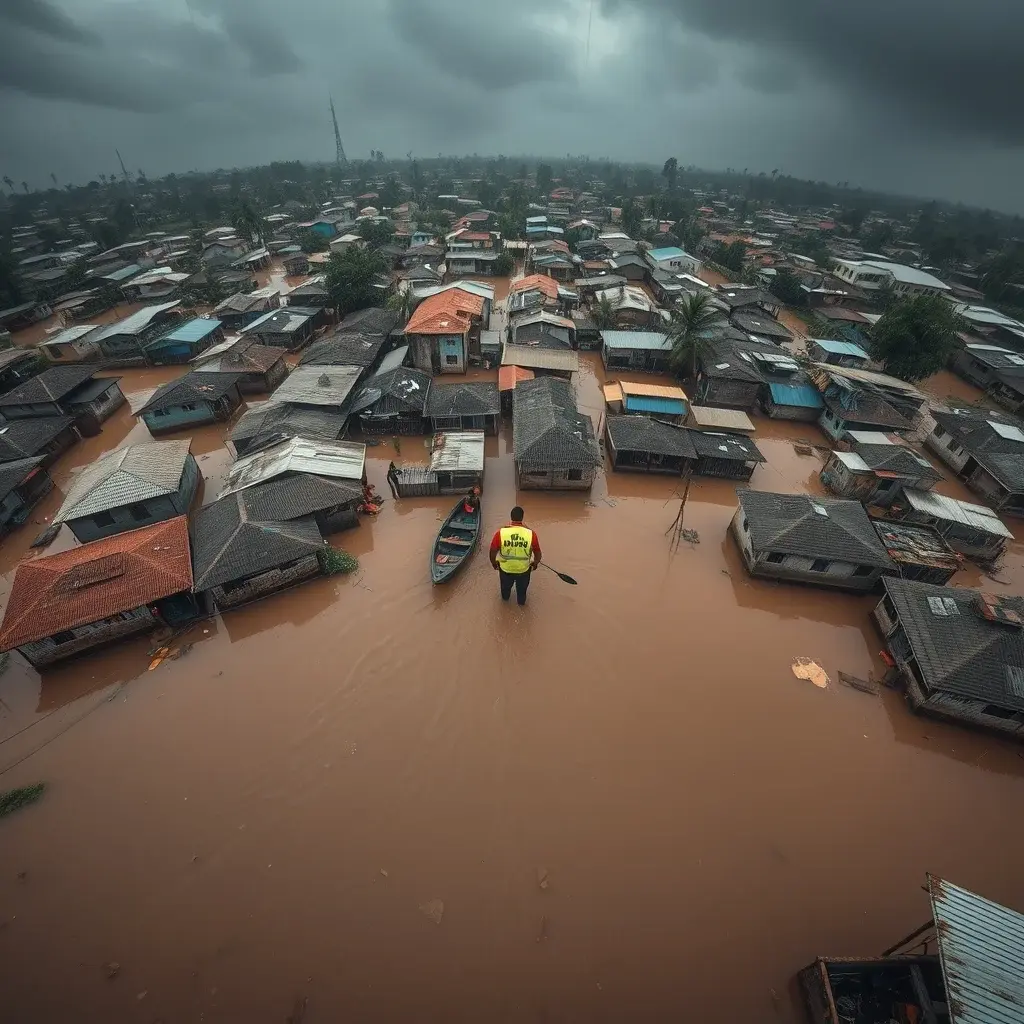
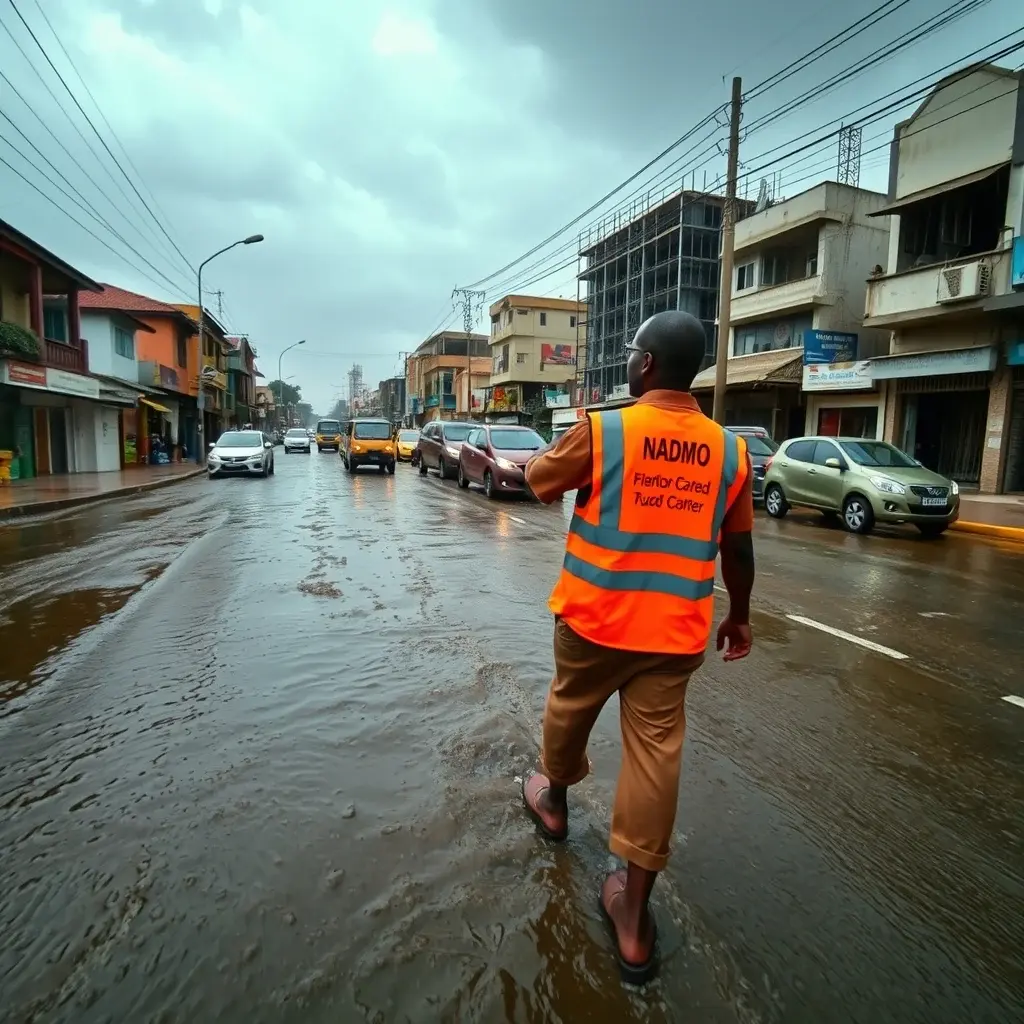
President John Dramani Mahama has urged Ghanaians to move beyond a short-term memory and cyclical neglect of responsibility, characterizing it as a “vulture-like” attitude that hinders national development, particularly in addressing the recurring problem of flooding in Accra. The President made these remarks upon his arrival at Accra International Airport following trips to the UK and Belarus, directly linking the persistent issue of flooding to a lack of sustained commitment to preventive measures.
The Cycle of Neglect
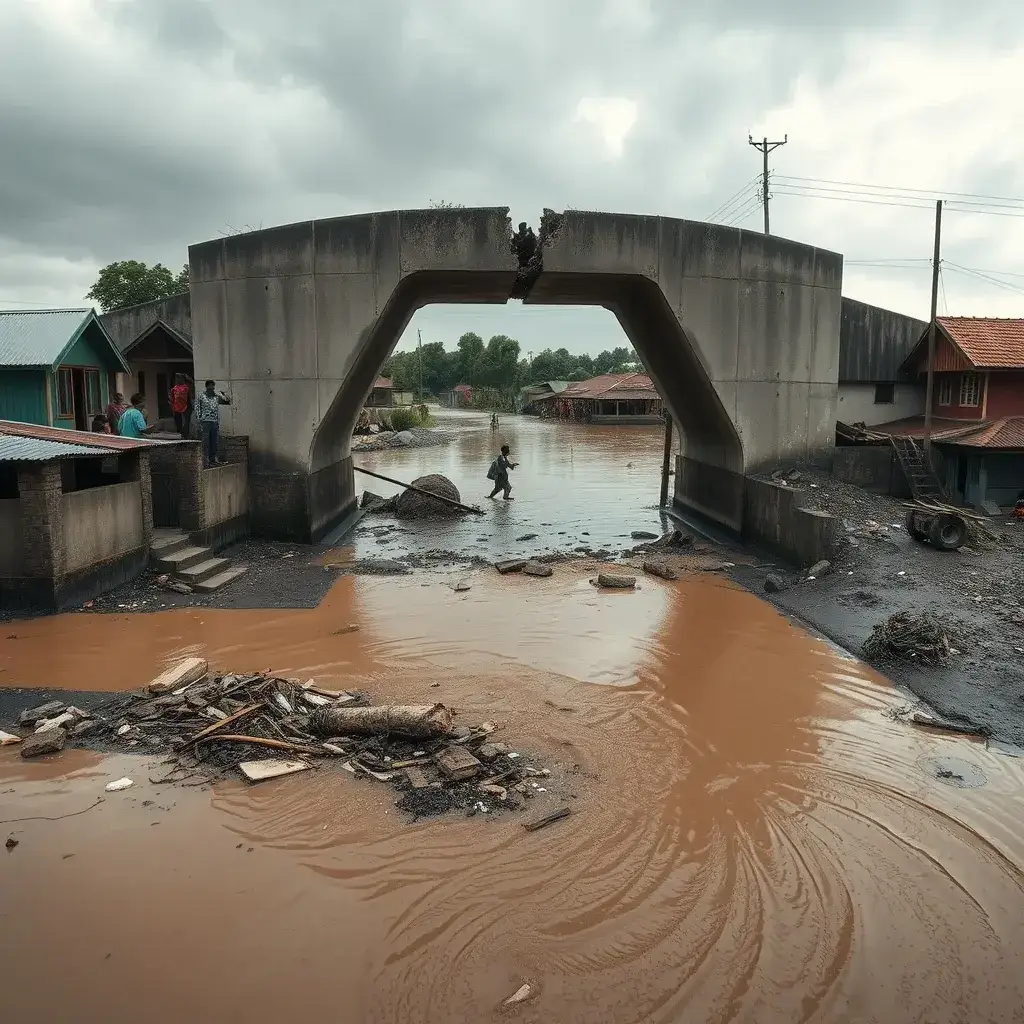
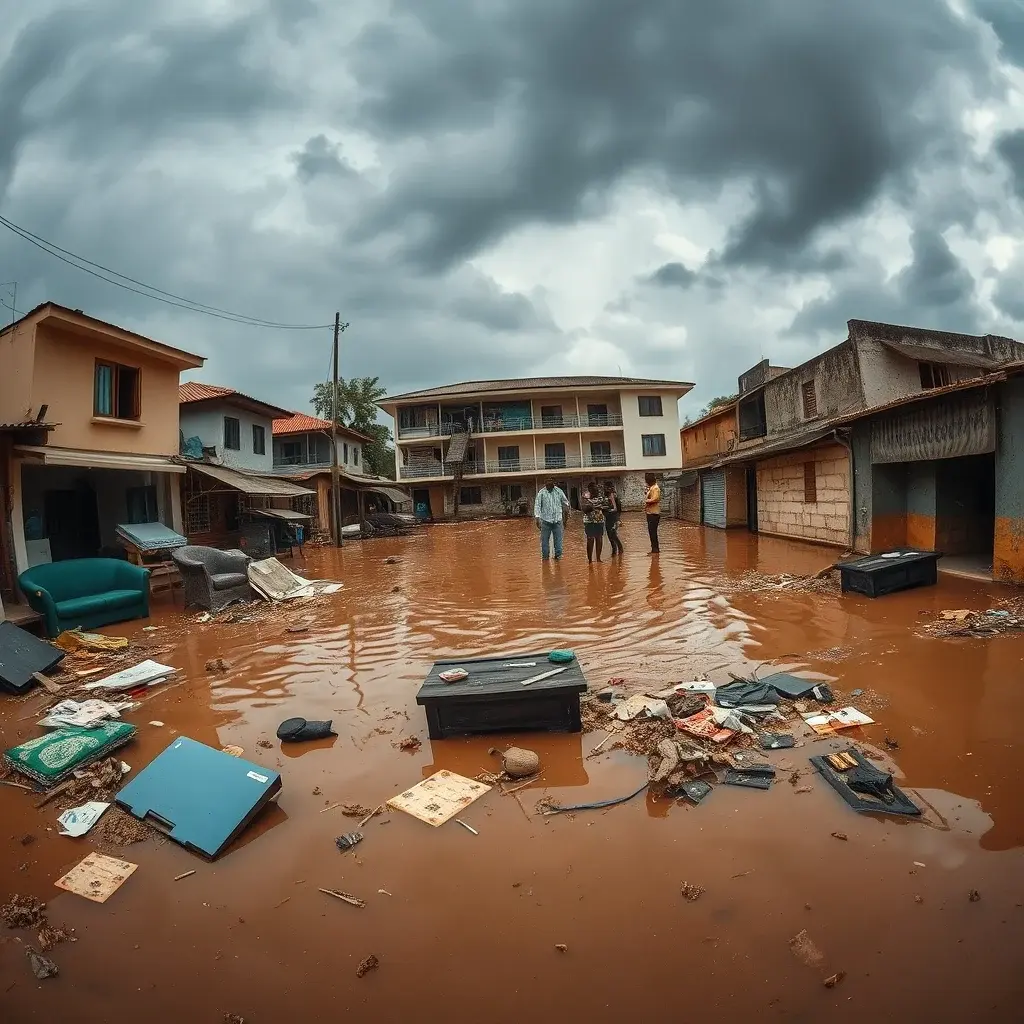
The President’s central metaphor likens the national response to disasters to that of a vulture, which is often associated with inconsistency and forgetfulness. He described a pattern where citizens lament the destruction caused by heavy rains during the flood season but gradually revert to their normal routines and forget the urgency of the situation once the rains subside. This pattern, he argued, undermines long-term planning and weakens efforts to build resilience in urban areas facing increasing environmental challenges.
“We have to do some soul searching,” President Mahama stated. “I think the government must be firm in doing what it has to do in order that we stop the perennial flood issues. We shouldn’t be like the vulture, who says it will repair his roofs when the rains stop, when the rains stop, he forgets about it until the next rains come, and it promises again to repair the roofs. This time, we have to really work and repair it.”
Enforcement and Public Opposition
A significant obstacle highlighted by the President is public opposition to the enforcement of planning regulations, particularly the demolition of structures built in protected areas. He noted that attempts by authorities to clear buildings from Ramsar sites and designated waterway paths, crucial for flood mitigation, have often been met with public outcry, with citizens labeling such actions as “inhuman.”
President Mahama acknowledged that while government enforcement is necessary, the responsibility is shared. He pointed to the complicity of those who sell land in unauthorized areas and the failure of local assemblies and officials to properly grant permits. “When the Greater Accra Regional Minister and her team went out and demolished houses built in the wetlands, people say the government is inhuman. But it is also partially the fault of those who sold those lands and also the fault of our assemblies and officers who grant the permits,” he explained.
Urbanization and Loss of Green Spaces
The issue of widespread encroachment on natural drainage systems was identified as a direct contributor to the severity of recent floods. The President painted a stark picture of Accra as a “concrete jungle,” where the expansion of buildings has left little room for natural landscapes to absorb rainwater.
He expressed concern over the dwindling green spaces, which are essential for mitigating urban flooding. “We build everywhere. This is a concrete jungle. In many places, in many countries, there are green spaces that soak up the water. In Accra, there is nowhere; the only place left is the children’s park and the Achimota forest, and even that one is in danger of being bequeathed to successors and made part of people’s wills,” he lamented.
The continuous encroachment on remaining natural areas like parks and forests further reduces the city’s capacity to manage heavy rainfall, exacerbating the flood risk for residents. “We need to address this issue of flooding,” he concluded, emphasizing the urgent need for a collective and sustained effort.
Looking Ahead: Policy Implementation and Behavioral Change
President Mahama’s call signifies a push for stricter policy implementation and a fundamental shift in public behavior. The government’s commitment to enforcing regulations, even in the face of public resistance, is presented as a necessary step towards long-term flood prevention. This approach suggests a move away from reactive measures towards proactive urban planning and environmental management. The success of these efforts will likely depend on a broader societal acceptance of the need for discipline and adherence to regulations, moving beyond the temporary outrage that often follows disaster and before the next rainy season arrives.




Leave a Reply