
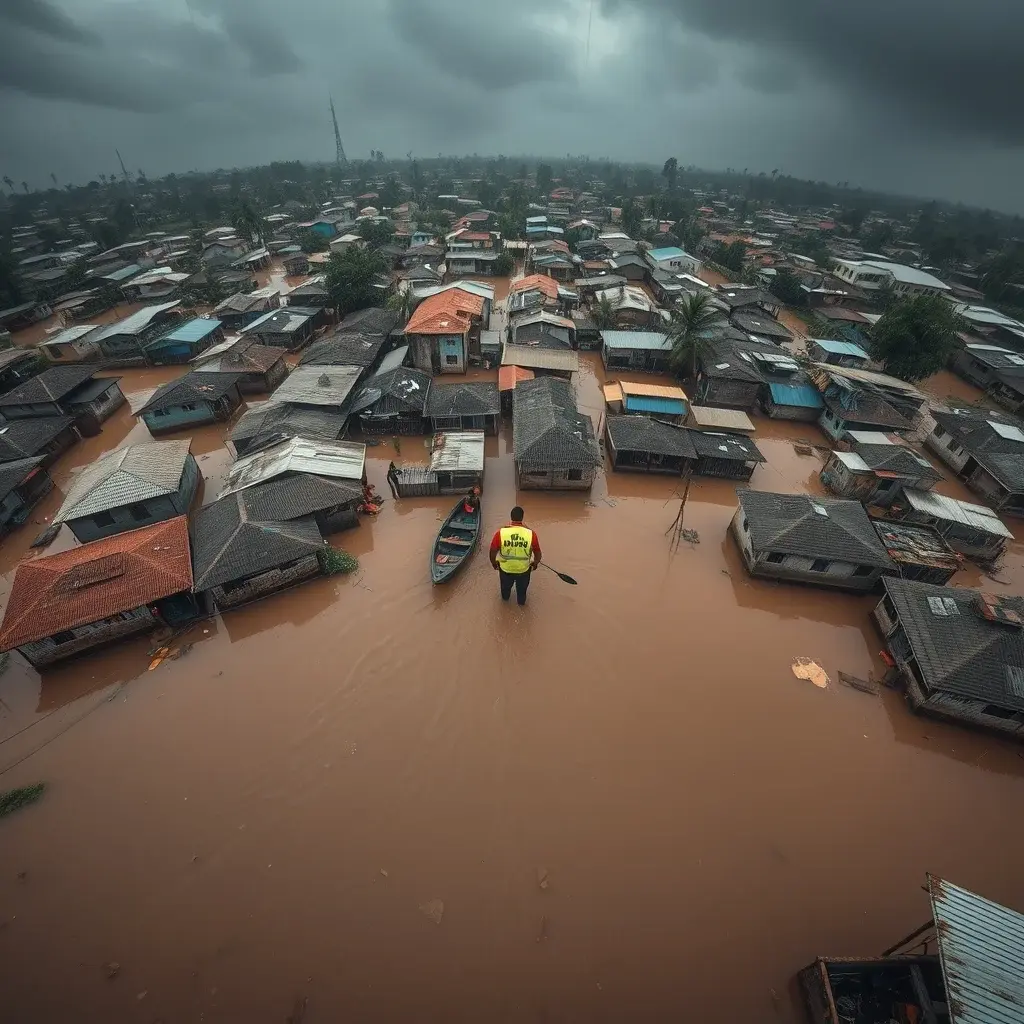
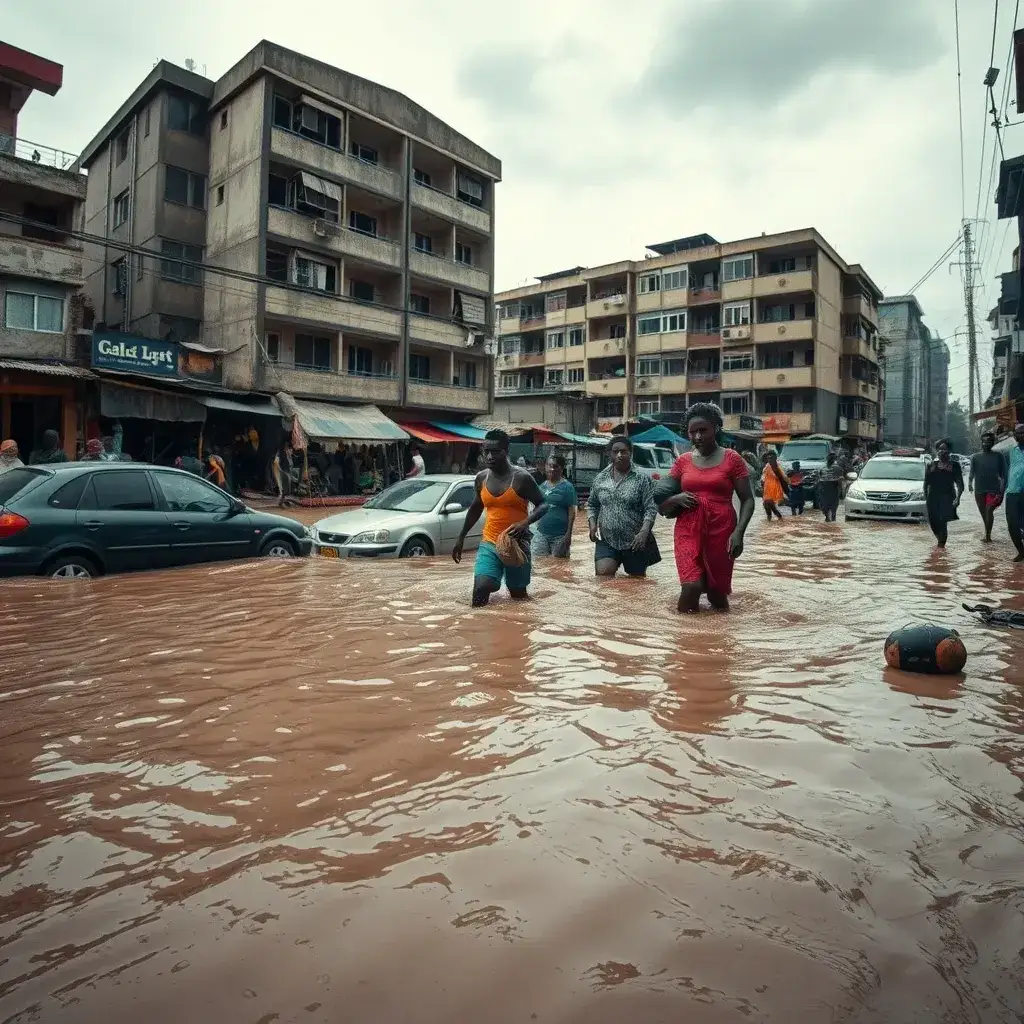
President John Dramani Mahama has mandated the National Disaster Management Organisation (NADMO) and other state agencies to conduct a comprehensive assessment of Ghana’s flood situation. This directive follows recent widespread flooding, particularly in Accra, that caused significant property damage and disrupted lives. The assessment aims to identify vulnerable communities and waterways to inform immediate and long-term flood mitigation strategies.
Context of Perennial Flooding
Ghana, especially its capital Accra, experiences recurrent flooding during the rainy seasons. This year’s rainfall, which has been particularly heavy and sustained since May, has exacerbated the problem. The flooding events have consistently led to destruction of homes, businesses, and critical infrastructure, impacting the livelihoods of many citizens.
Presidential Directive and Root Causes
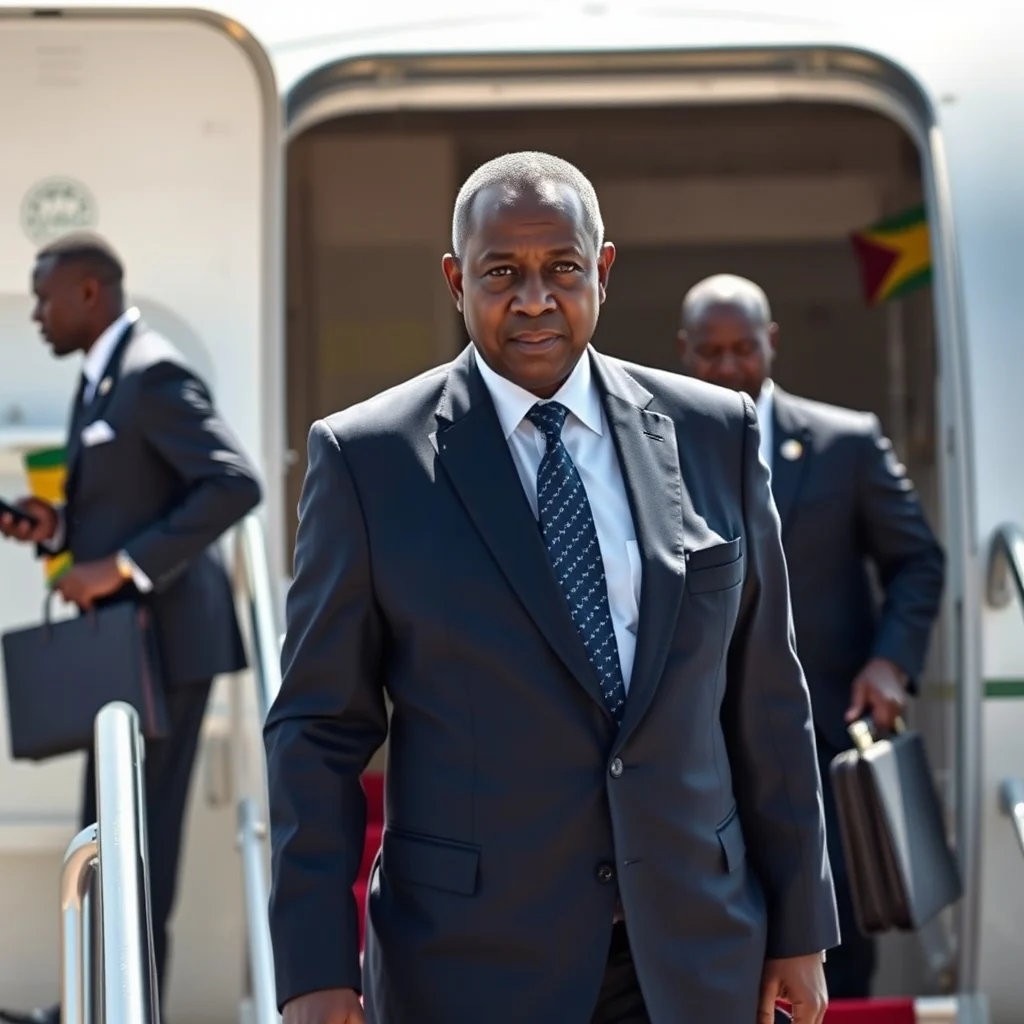
President Mahama issued the directive on Tuesday, June 9, shortly after returning from an official visit to Belarus. He highlighted that the severity of this year’s rains has worsened the already challenging flood situation across the country. The President explicitly pointed to human activities as a major contributing factor to the recurring floods.
He specifically cited the construction of buildings in waterways and flood-prone areas. Mahama questioned the validity of building permits issued for such developments, suggesting a systemic failure in regulatory enforcement. “But some of the houses have building permits. How did they get them? So we have to do some soul-searching,” he stated.
Moving Beyond Reactive Measures
The President emphasized the need for Ghana to address the underlying causes of flooding through stricter enforcement of planning regulations and decisive action against encroachment on natural waterways. He urged state institutions to shift from a reactive approach, intervening only after disasters occur, towards proactive planning and sustained interventions.
“We shouldn’t be like the vulture who says he will repair his roof when the rain stops,” Mahama remarked, advocating for lasting solutions over temporary responses. The directive requires NADMO and relevant agencies to map all restricted waterways nationwide and propose corrective actions based on their findings.
Call for Public Education and Integrated Solutions
In addition to infrastructure and regulatory measures, President Mahama called for intensified public education on environmental management and flood prevention. He tasked the Government Communications Department and other public institutions to ramp up awareness campaigns to foster a sense of environmental responsibility among citizens.
The President believes that a combination of effective public education, stronger enforcement of planning laws, and improved infrastructure planning is crucial for reducing Ghana’s flood risk and preventing future disasters. This integrated approach aims to tackle the complex issue of flooding from multiple angles.
Future Implications and Next Steps
The nationwide flood risk assessment is expected to provide critical data for evidence-based policymaking and intervention. Stakeholders will be watching closely to see how the findings translate into concrete actions, including the demolition of illegal structures in waterways and the implementation of improved drainage systems. The success of these measures will depend on sustained political will, robust enforcement, and active public participation in environmental stewardship. The government’s commitment to proactive planning over reactive disaster management will be a key indicator of progress in mitigating Ghana’s perennial flood challenges.




Leave a Reply