
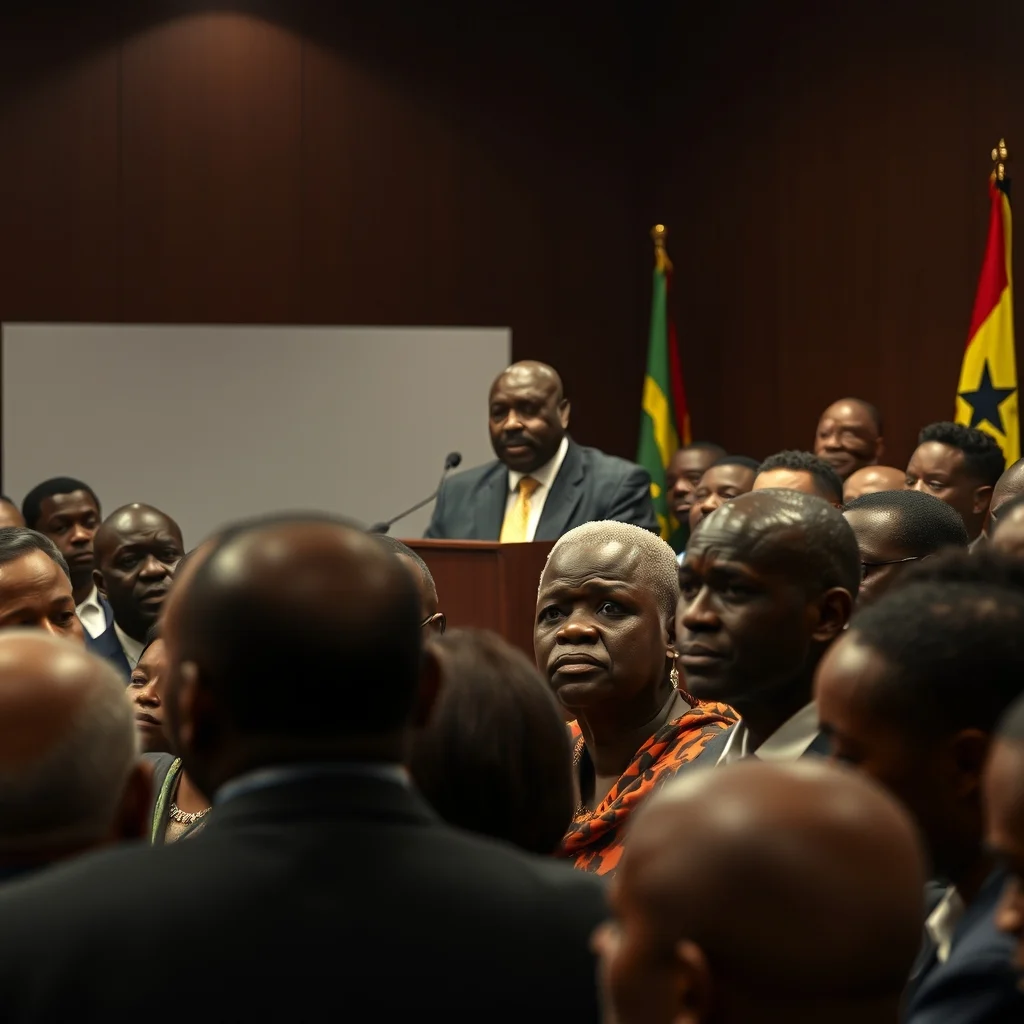
Ghana’s Minister for Foreign Affairs and Regional Integration, Samuel Okudzeto Ablakwa, met with the Ghanaian diaspora in Pretoria, South Africa, recently to address pressing issues affecting citizens living abroad. The engagement, held at the Ghana High Commission, saw community members voice significant concerns regarding consular services, immigration hurdles, and overall welfare.
Community Voices Frustrations
The meeting was characterized by an emotionally charged atmosphere as Ghanaians residing in South Africa shared their frustrations and expectations. Attendees spoke openly about the challenges they face, highlighting delays in documentation processes and difficulties navigating legal and employment landscapes.
A significant point of discussion revolved around the persistent issue of xenophobic attacks, which have historically impacted foreign nationals in South Africa. Several community members appealed for enhanced diplomatic support and more responsive services from Ghana’s foreign missions to ensure their safety and well-being.
Addressing Diplomatic Support Needs
The diaspora’s concerns underscore a broader need for robust consular services that can effectively support citizens living and working in foreign countries. Delays in obtaining or renewing essential documents can have far-reaching consequences, impacting employment, legal status, and integration into the host society.
Minister Ablakwa’s visit aimed to gather firsthand information on these challenges, signaling a commitment to improving the support structures available to Ghanaians abroad. Such engagements are crucial for fostering a stronger connection between the government and its citizens overseas, ensuring their voices are heard and their needs are addressed.
Context of Diaspora Challenges
The Ghanaian community in South Africa, like many diasporas, faces a unique set of challenges. These often include navigating complex immigration laws, seeking stable employment opportunities, and ensuring access to essential services. The specter of xenophobia adds an additional layer of vulnerability and concern.
South Africa has a history of periodic outbreaks of xenophobic violence, primarily targeting foreign nationals from other African countries. These incidents often stem from complex socio-economic factors, including competition for jobs and services, which can fuel resentment and hostility.
Government Response and Future Outlook
The Ministry of Foreign Affairs and Regional Integration plays a vital role in advocating for the rights and welfare of Ghanaians globally. Regular consultations with diaspora communities are essential for formulating effective policies and providing timely assistance.
Minister Ablakwa’s presence and the open dialogue indicate a proactive approach to understanding and tackling these issues. The feedback received is expected to inform strategies aimed at streamlining consular operations, strengthening legal aid, and collaborating with South African authorities to enhance the safety and security of Ghanaian citizens.
Implications for the Diaspora
For Ghanaians living in South Africa, such meetings offer a critical platform for their concerns to be acknowledged and addressed. The hope is that this engagement will lead to tangible improvements in consular services and a more proactive stance on protecting their rights and ensuring their safety.
The success of these efforts will be measured by the concrete actions taken by the ministry and the high commission to alleviate the reported difficulties. The focus will be on improved efficiency in documentation, enhanced support for legal challenges, and a strengthened diplomatic presence that advocates for the well-being of the Ghanaian community. What remains to be seen is how these discussions translate into sustained policy changes and improved lived experiences for Ghanaians in South Africa.







Leave a Reply