
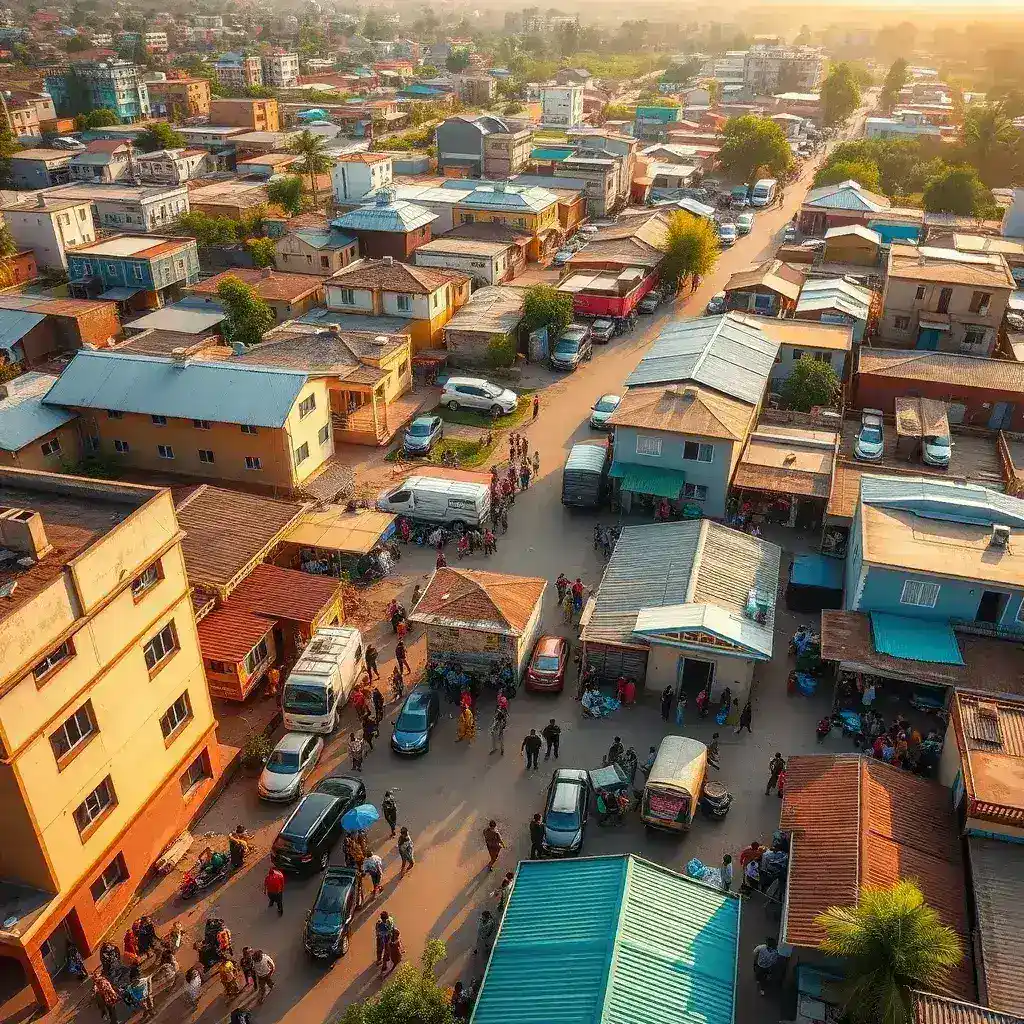
Ablekuma North Municipal has been recognized as Ghana’s best-performing district in reducing multidimensional poverty, according to the latest rankings released by the Ghana Statistical Service (GSS) covering the period of 2021-2025. The report highlights sustained improvements in living conditions, education, healthcare, and employment across several districts, particularly within the Greater Accra and Ashanti regions.
Context of Multidimensional Poverty in Ghana
The Multidimensional Poverty Index (MPI) measures poverty based on deprivations in health, education, and living standards. Unlike income-based poverty measures, MPI captures multiple overlapping disadvantages that individuals face. The GSS report provides an updated assessment of how different districts are faring in addressing these interconnected deprivations.
Top Performing Districts Identified
Over the five-year period, Ablekuma North Municipal achieved an average poverty headcount of 8.5 percent. This municipality consistently ranked among the top ten best-performing districts annually. Following closely were Ablekuma West Municipal with an 8.6 percent average poverty incidence and Korle Klottey Municipal at 8.8 percent.
Other municipalities that demonstrated strong performance in poverty reduction include La Dade-Kotopon Municipal and Tema West Municipal. These rankings underscore a notable trend: urban municipalities, particularly those in the Greater Accra region, are leading the charge in reducing multidimensional poverty.
Additional districts that featured prominently in the GSS report include Ayawaso Central Municipal, Ayawaso West Municipal, Krowor Municipal, Ledzokuku Municipal, and Asokwa Municipal. These areas have shown significant progress in improving the well-being of their residents.
Disparities Between Urban and Rural Poverty
The GSS findings also illuminate a significant disparity in poverty levels between Ghana’s urban and rural areas. While the Greater Accra municipalities are consistently showing low poverty rates, districts in the northern parts of the country continue to grapple with higher levels of deprivation. This highlights the need for targeted interventions in less developed regions.
In 2025 specifically, Ayawaso North Municipal recorded the lowest multidimensional poverty incidence nationwide, achieving an impressive 5.5 percent. This specific achievement further emphasizes the potential for significant poverty reduction within well-managed urban environments.
Factors Driving Poverty Reduction
Officials from the Ghana Statistical Service emphasized that improvements in key areas have been crucial for the success of these top-ranked districts. Factors contributing to the strong performance include enhanced access to education, better healthcare services, improved sanitation facilities, increased access to electricity, and greater employment opportunities.
These improvements collectively contribute to a higher standard of living and a reduction in the multiple deprivations that define multidimensional poverty. The GSS stated that these rankings are vital for informing policy decisions, guiding investment, and designing effective social intervention programs across the nation.
Implications for Policy and Future Development
The GSS report provides critical data that can help policymakers allocate resources more effectively. The success stories from districts like Ablekuma North offer valuable lessons that can be adapted and implemented in other regions facing higher poverty rates. Understanding the specific drivers of poverty reduction—such as investments in education and healthcare—can guide future development strategies.
Moving forward, attention will likely remain on how these successful urban models can be replicated or adapted to address the unique challenges faced by rural communities. Continued monitoring by the GSS will be essential to track progress and identify emerging trends in Ghana’s journey towards poverty eradication.










Leave a Reply