
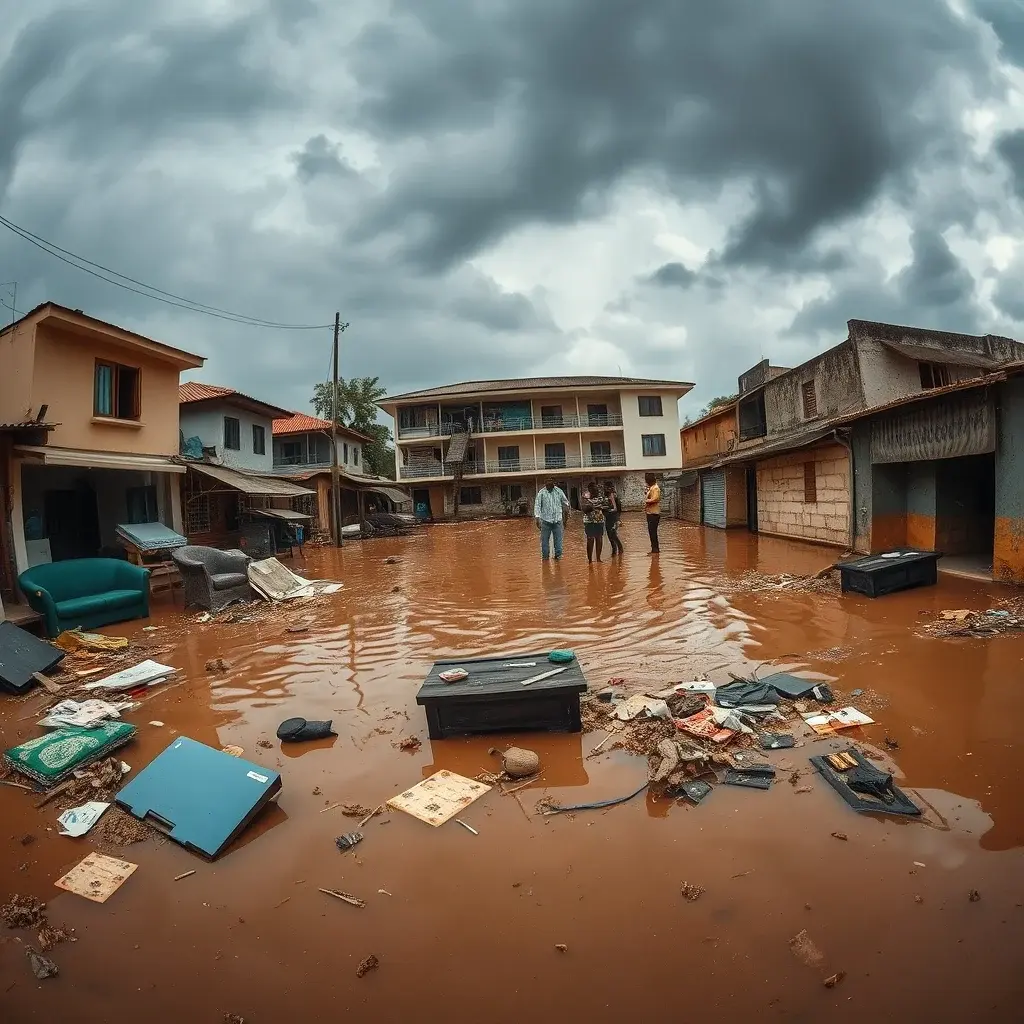
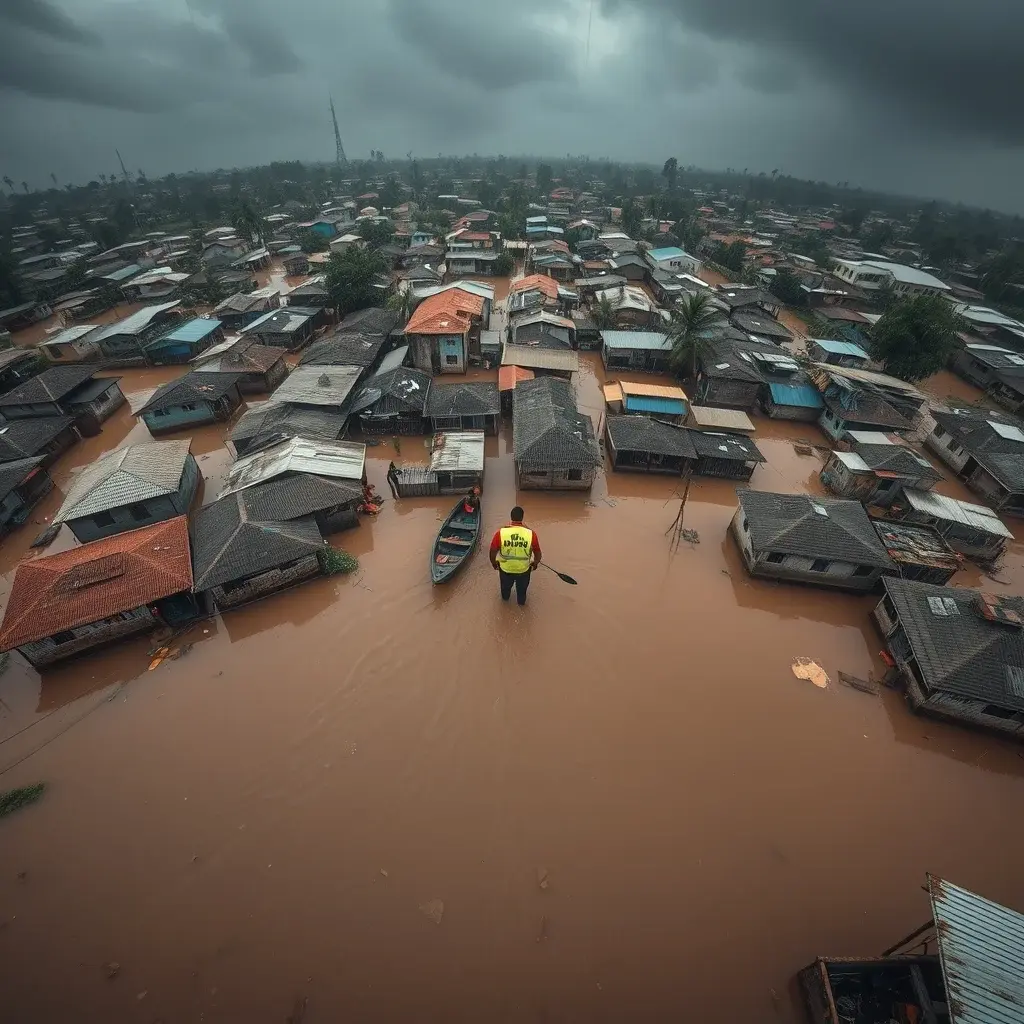
President John Mahama has directly accused some district assemblies and their officials in Accra of exacerbating the city’s persistent flooding problem by issuing illegal building permits for construction in waterways and protected areas. The President made these strong remarks on Tuesday upon his return from international engagements, highlighting that weak enforcement and poor oversight at the local government level have critically heightened Accra’s vulnerability to devastating floods, especially during heavy rainfall.
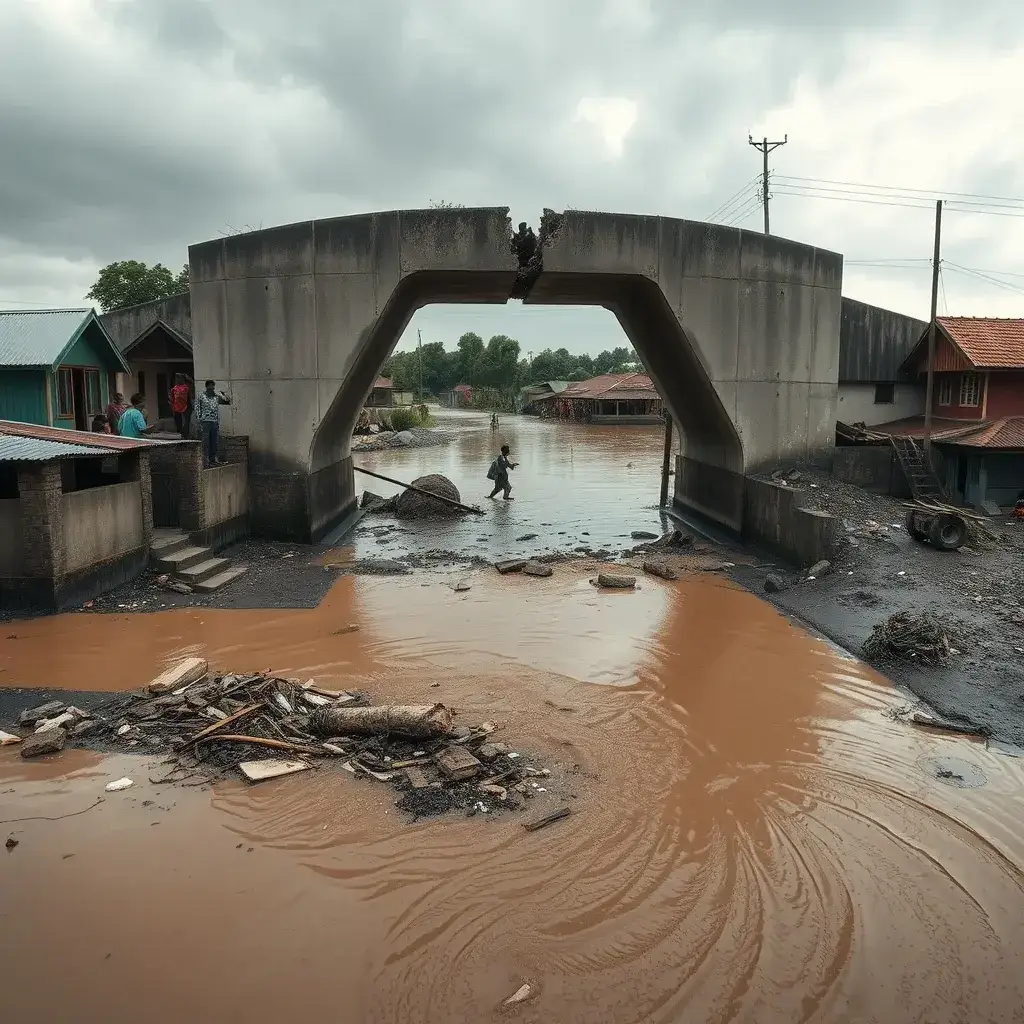
The unchecked construction on natural drainage channels actively undermines the effectiveness of existing drainage systems. This encroachment leads to preventable disasters that inflict significant damage on lives, private property, and essential public infrastructure. Mahama stressed that this practice must cease immediately to mitigate future catastrophes.
Root Causes of Accra’s Flooding Crisis
President Mahama drew attention to the controversial demolition of houses built in wetlands, acknowledging public perception of harshness. However, he firmly placed part of the blame on individuals who sold these prohibited lands and, crucially, on the assemblies and their officers who facilitated these developments through the issuance of permits. He questioned the legitimacy of building permits granted for structures situated in restricted zones and waterways.
“We build everywhere. This is a concrete jungle,” Mahama lamented, contrasting Accra with cities that preserve green spaces essential for water absorption. He pointed out the severe lack of such natural buffers in Accra, noting that remaining green areas like children’s parks and the Achimota Forest are themselves under threat of encroachment and even being included in inheritance wills.
Government Response and Future Actions
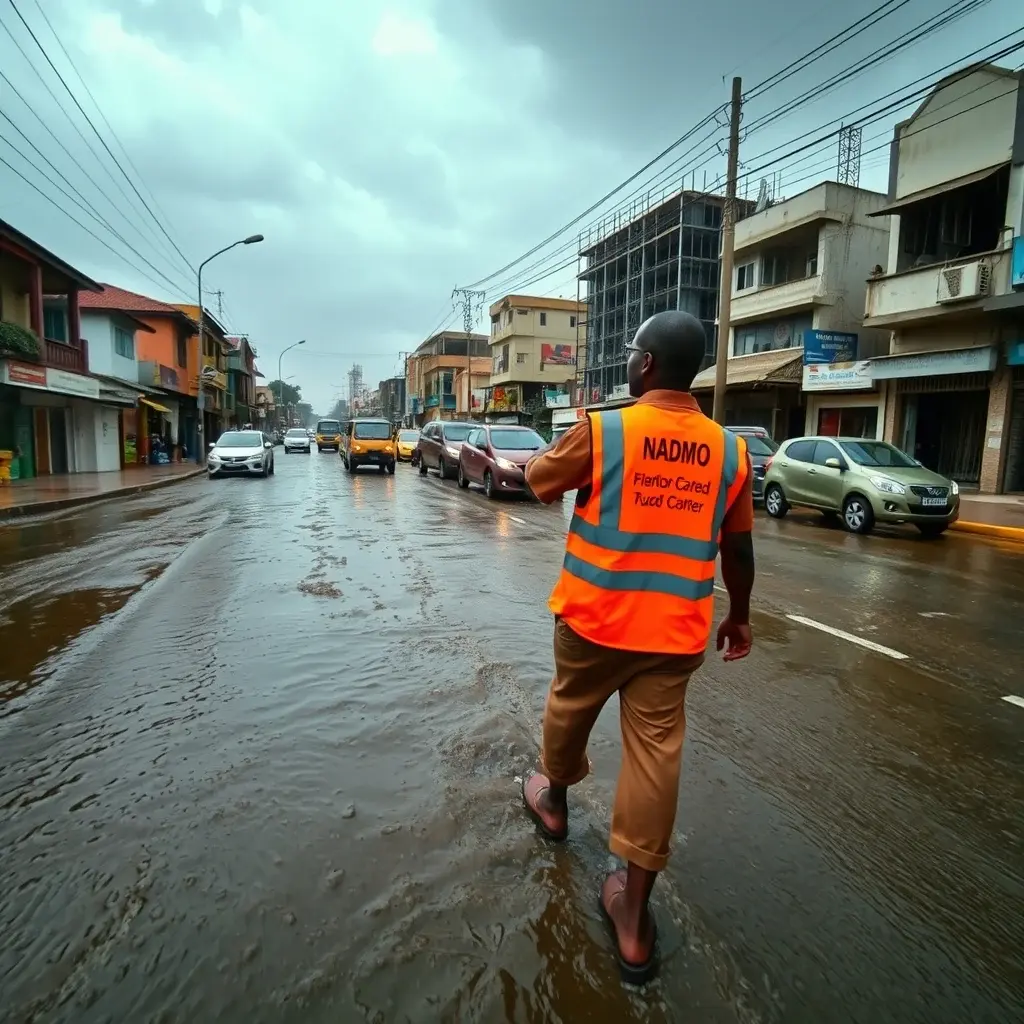
In response to the ongoing crisis, President Mahama has mandated the National Disaster Management Organisation (NADMO) to undertake a comprehensive assessment of Accra. This crucial exercise aims to identify all prohibited and high-risk zones currently used for development. The findings will serve as a critical guide for future enforcement strategies and corrective measures.
The government intends to use this data to inform decisive actions focused on protecting the city’s vital water bodies and restoring natural drainage pathways. These efforts are part of a broader commitment to instill greater discipline in urban planning and development across the capital. Mahama reaffirmed the administration’s dedication to tackling the fundamental causes of flooding in Accra.
Expert and Data Perspectives
While the President’s statements directly address the issue, previous reports and expert analyses have consistently pointed to a breakdown in urban planning and enforcement as key drivers of Accra’s flooding. Studies by urban planning organizations and environmental groups have documented the alarming rate of construction in flood-prone areas and along natural watercourses. These analyses often cite a lack of political will and capacity at the local assembly level as significant impediments to effective regulation.
Data from the Ghana Meteorological Agency indicates that while rainfall patterns have become more erratic, the intensity of urban flooding is disproportionately high due to the built environment’s inability to cope. The sheer volume of concrete and asphalt surfaces prevents natural water infiltration, channeling excess water directly into already strained drainage systems. The World Bank has previously highlighted Accra’s vulnerability to climate change impacts, including increased flooding, emphasizing the need for integrated urban management and resilient infrastructure.
Implications for Residents and Urban Development
The President’s directive signals a potential shift towards stricter enforcement of building regulations in Accra. Residents living in or near flood-prone areas may face increased scrutiny and potential action, including demolitions, if their properties are found to be in violation of zoning laws or situated in waterways. This could lead to displacement and financial losses for those affected, underscoring the importance of adhering to planning regulations.
For the construction and real estate industries, the move implies a need for greater due diligence in land acquisition and development planning. Developers must ensure compliance with all permits and environmental regulations to avoid future project disruptions and legal challenges. The government’s focus on restoring natural drainage paths and protecting water bodies suggests a long-term strategy that prioritizes ecological resilience alongside urban expansion.
The success of these measures will depend heavily on the effective implementation of NADMO’s assessment and the subsequent political will to enforce regulations consistently, regardless of political affiliations or economic interests. The coming months will reveal whether Accra can move beyond reactive disaster management towards proactive urban planning that safeguards its citizens and infrastructure from the perennial threat of flooding.







Leave a Reply