
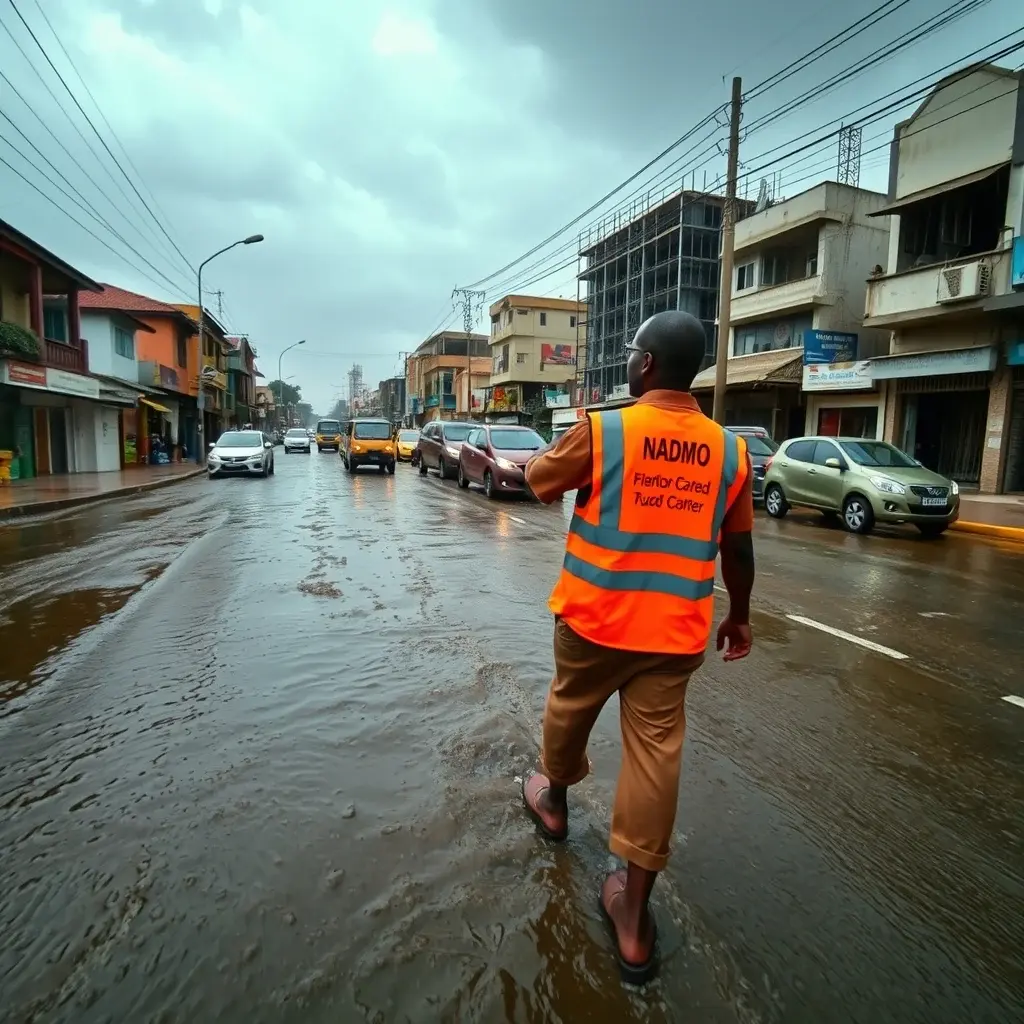
President John Dramani Mahama has ordered the National Disaster Management Organisation (NADMO) and a national task force to map restricted lands in Accra, aiming to tackle the city’s persistent flooding issues. The directive, issued upon his return from international trips on Tuesday, June 9, mandates a comprehensive assessment of encroached and vulnerable areas to inform decisive action.
Context: Recurring Flooding in Accra
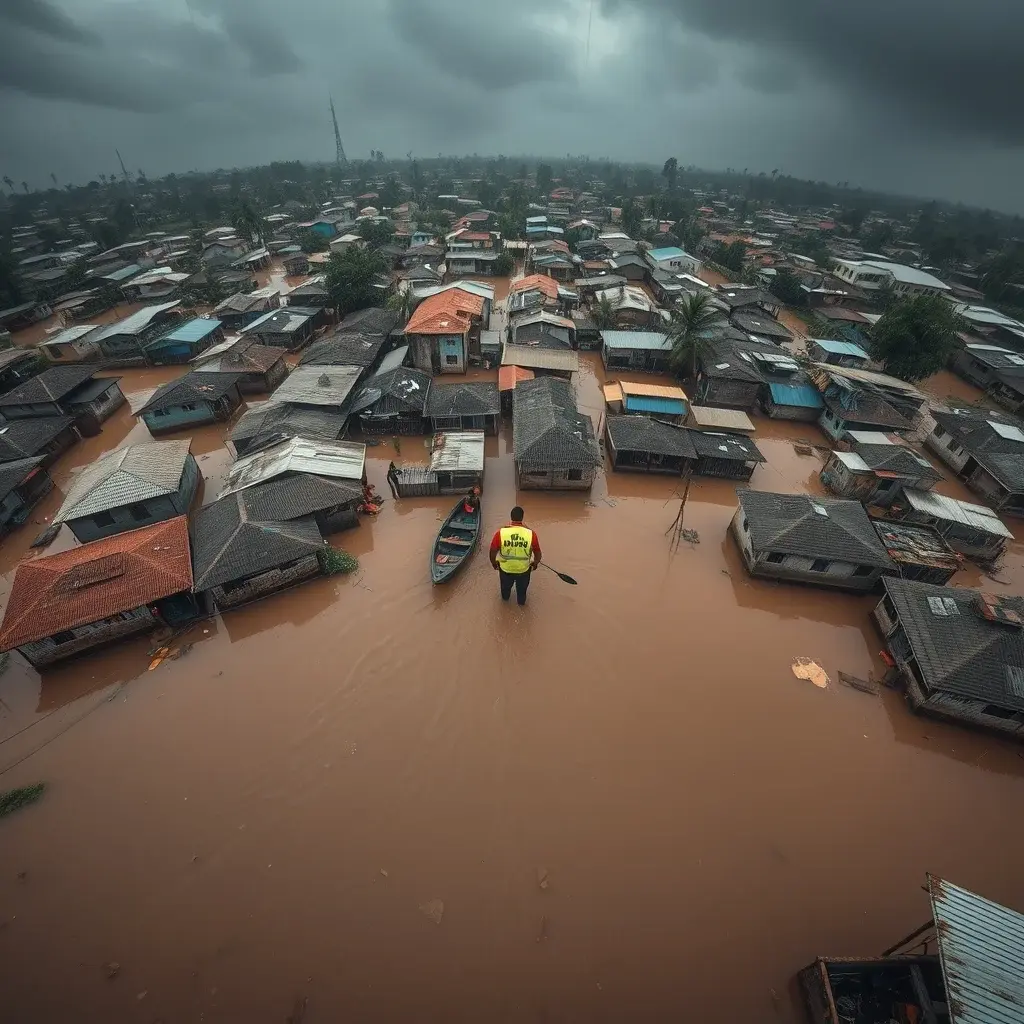
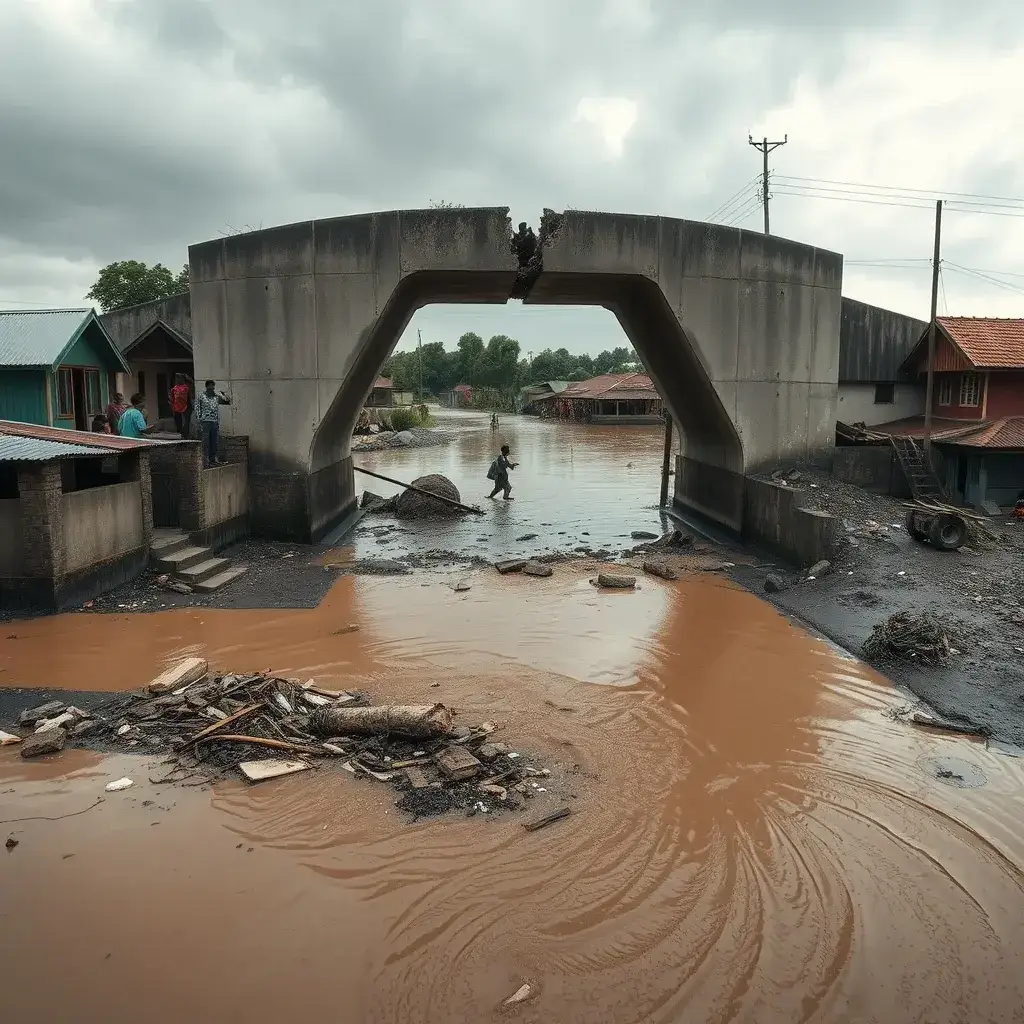
Accra, Ghana’s capital, has long struggled with severe flooding, particularly during the rainy seasons. This perennial problem is largely attributed to a combination of factors, including inadequate drainage systems, rapid urbanization, and widespread encroachment on natural waterways and protected lands. These encroachments often involve illegal construction on land designated for water flow or environmental protection, exacerbating the impact of rainfall.
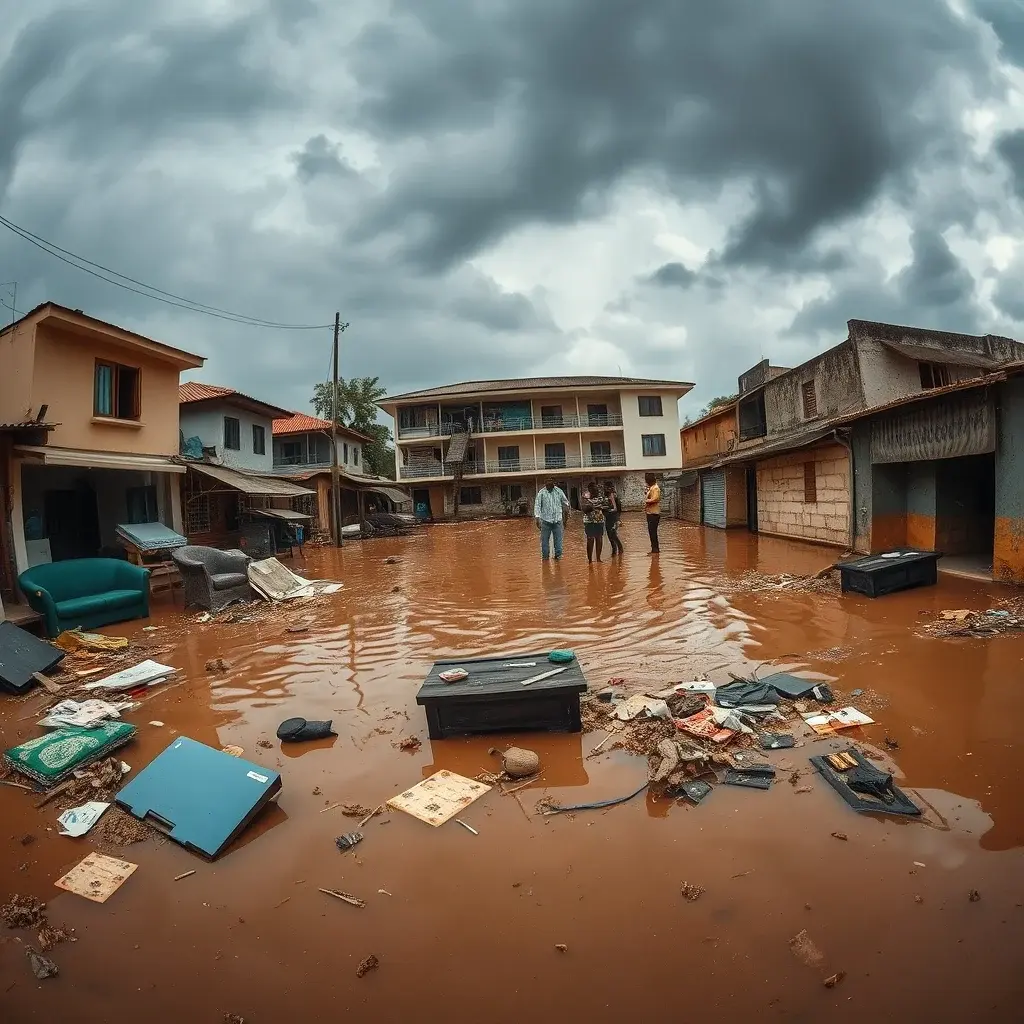
Previous efforts to mitigate flooding have often been hampered by challenges in enforcement and a lack of political will to address the root causes, such as illegal development. The recurring nature of these floods results in significant loss of property, disruption of economic activities, and, tragically, loss of life.
Mapping Restricted Lands for Enforcement
President Mahama’s directive signals a renewed commitment to confronting these challenges head-on. The task force and NADMO are charged with identifying all restricted waterways and lands that have been illegally occupied or developed. This detailed mapping exercise is the crucial first step in a broader strategy to reclaim these areas and prevent future development that compromises the city’s natural drainage capacity.
“I have directed the task force, NADMO and all the others to do a presentation to us. We are going to identify all the restricted waterways,” President Mahama stated. He emphasized that once the assessment is complete, relevant authorities will be empowered to take swift and decisive action.
The President indicated that this might involve necessary demolitions or other strict measures to restore order. He acknowledged that such actions could be unpopular but stressed the government’s responsibility to ensure public safety. “When they have done that, I am giving the directive that they should go ahead to do what they have to do,” he asserted. He urged citizens to understand these interventions not as punitive but as essential for long-term urban resilience and sustainable development.
Strengthening Enforcement and Urban Resilience
The initiative aims to strengthen the enforcement of land-use regulations and protect lives and property more effectively. By clearly identifying and demarcating restricted zones, the government intends to create a stronger basis for preventing further encroachment and for taking action against existing illegal structures.
“I hope when we do that [possible demolition], all Ghanaians will understand that it is the government’s business to protect the safety of all of us,” President Mahama added. This underscores the government’s intention to prioritize safety and long-term planning over short-term political expediency or public outcry against potentially difficult decisions.
Implications for Accra’s Future
This proactive mapping and enforcement strategy could mark a significant turning point in Accra’s battle against flooding. If implemented effectively, it promises to enhance the city’s drainage infrastructure naturally and reduce the vulnerability of its residents and businesses to water-related disasters. The success of this initiative will hinge on sustained political will, effective inter-agency coordination, and public cooperation in understanding the necessity of these measures for the collective good.
The focus on identifying and reclaiming restricted lands signals a shift towards a more preventative and regulatory approach to urban planning and disaster risk reduction. Citizens and businesses operating in or near potential flood-prone areas should anticipate stricter enforcement of land-use laws and potentially face consequences for developments that contravene these regulations. The long-term implications point towards a more resilient and sustainable urban environment for Accra.







Leave a Reply