
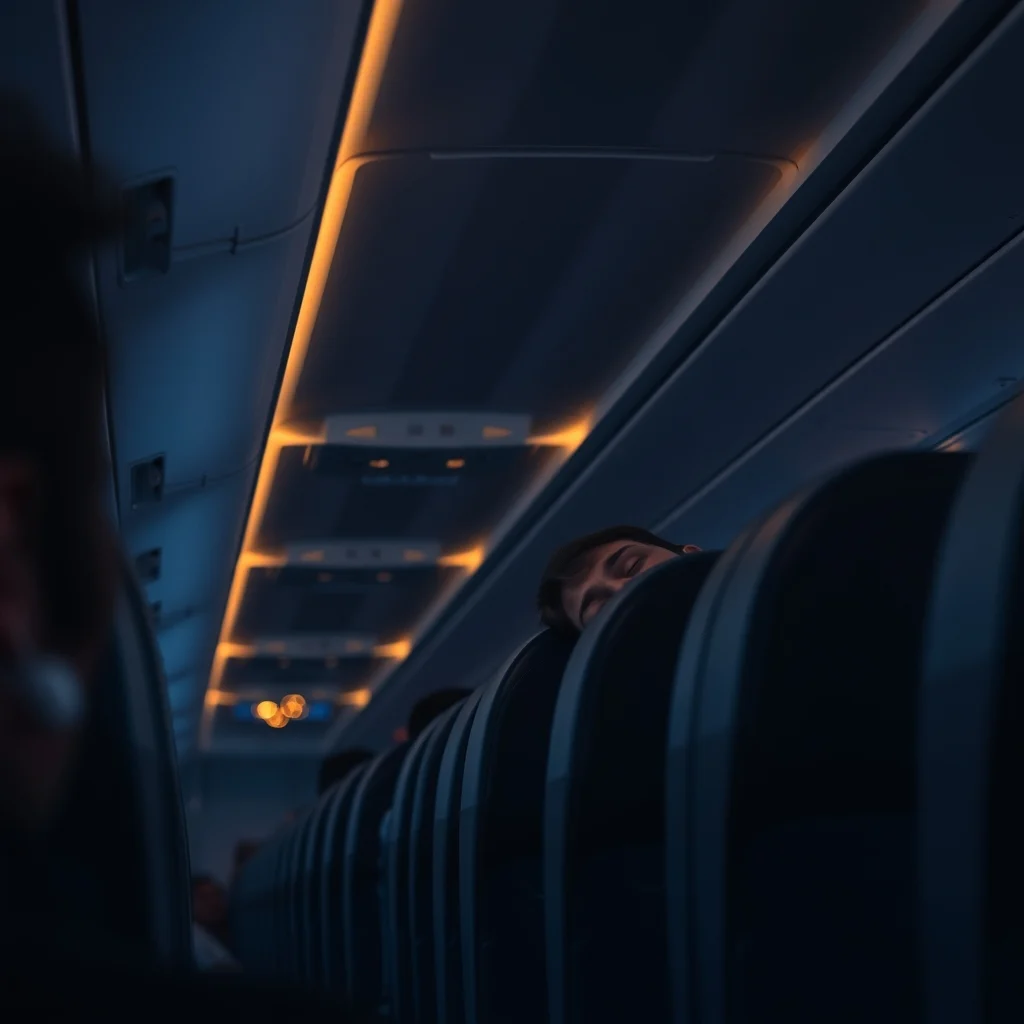
A recent international flight from Accra to Amsterdam transformed into an uncomfortable experience for a passenger due to relentless, loud snoring from a fellow traveler, highlighting a broader decline in air travel courtesy and prompting reflection on passenger behavior, health considerations, and the importance of mutual respect in confined shared spaces.
The Unwanted Cabin Soundtrack
The incident occurred on an overnight flight departing from Kotoka International Airport in Accra. Shortly after takeoff, one passenger began snoring loudly, a sound that persisted and intensified throughout the six-and-a-half-hour journey to Amsterdam.
The disruptive noise, described as “Rakatatata! Rakatatata!”, immediately drew the attention of nearby passengers, eliciting a range of reactions from amusement to visible irritation.
Despite attempts to ignore the sound, the snoring’s volume and intensity grew, compelling the narrator to use earplugs, a measure usually reserved for managing ear pressure during landings.
Snoring as a Health Indicator
This personal ordeal prompted a broader reflection on the dynamics of air travel and the essential role of courtesy among strangers in close quarters. The narrator noted that while occasional snoring is common, persistent and unusually loud snoring can be a symptom of underlying health issues.
Medical experts acknowledge that excessive snoring may indicate conditions like sleep apnea, a disorder characterized by interrupted breathing during sleep. This raises the question of how passengers should address such situations, especially when the disruptive individual is unknown.
The narrator opted to leave an anonymous note for the snoring passenger, suggesting he seek treatment, balancing consideration for others with a potential health concern.
Beyond Snoring: Other Air Travel Observations
The flight also brought attention to another common practice that causes passenger confusion: the spraying of aerosol substances by cabin crew before takeoff on certain international routes.
Many travelers, particularly first-time flyers, are often unaware of the purpose of this procedure, questioning whether it is for insect control, a public health measure, or a destination country requirement.
Increased transparency and communication from airlines regarding such practices could alleviate passenger concerns and potentially accommodate those with allergies or sensitivities.
The Enduring Value of Courtesy
The article emphasizes that air travel, like many public spaces, requires a baseline level of personal presentation and public courtesy. Cleanliness, neatness, and respectful conduct contribute to a positive individual and national image.
These principles of courtesy, including polite greetings, considerate behavior, and proper hygiene, are vital for making shared environments pleasant for everyone, whether in airports, schools, or public transport.
The piece suggests a societal imbalance, where focus on rights often overshadows the importance of responsibilities. It argues that communities function best when both elements are present.
Looking Ahead: Actions and Awareness
The experience serves as a reminder that in an increasingly crowded world, individual actions have a tangible impact on those around us. The way people conduct themselves, their health choices, and their general demeanor can either foster harmony or create discomfort.
The article concludes by highlighting that good manners and consideration are simple, cost-free virtues that significantly enhance shared experiences. The difference between a pleasant and a miserable journey often hinges on the simple recognition that one is not traveling alone.
Moving forward, the focus remains on how travelers can better navigate the challenges of shared public spaces, promoting greater awareness of personal impact and fostering a culture of mutual respect and consideration, especially in the unique environment of air travel.










Leave a Reply