
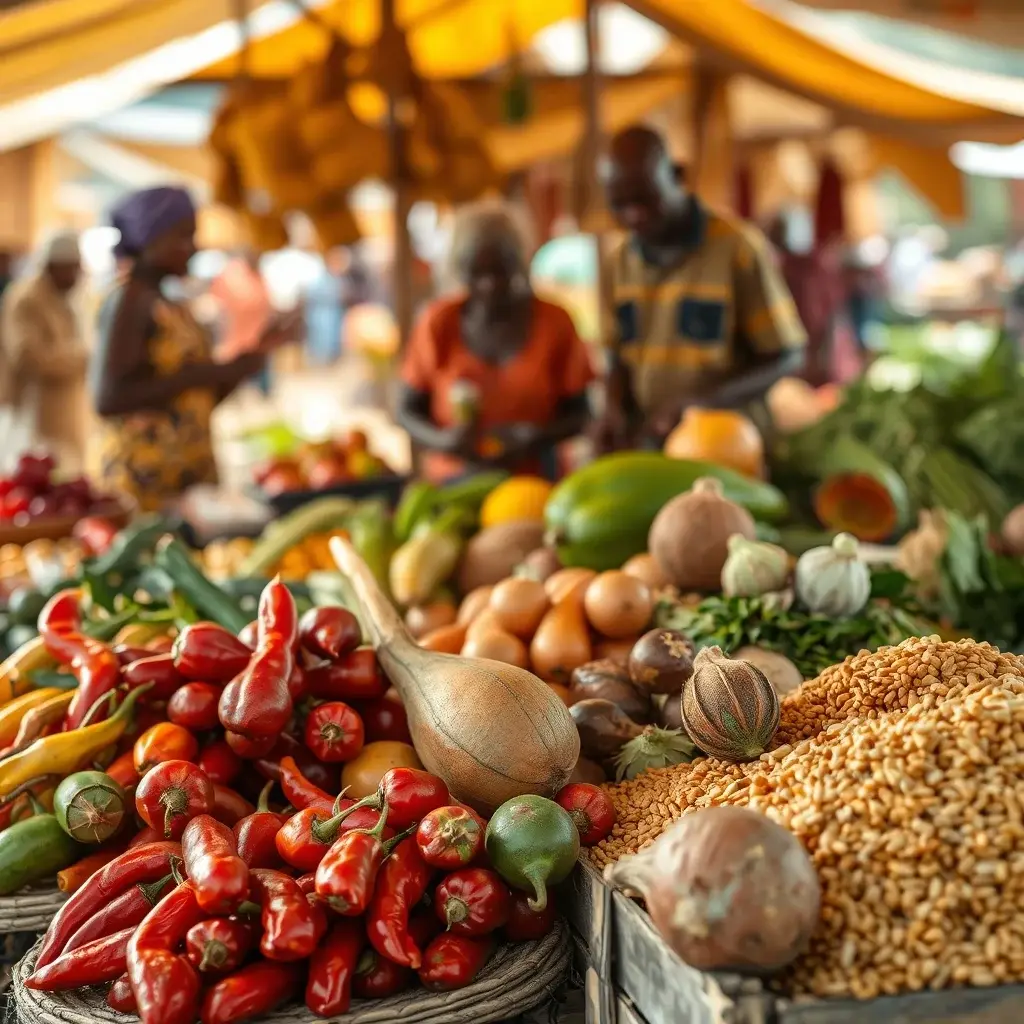
Ghana is facing a critical loss of its indigenous crops and plant varieties due to the compounding effects of climate change, rapid urbanization, and shifting consumer tastes, experts are warning. This trend poses a significant threat to the nation’s food security, the resilience of its agricultural sector, and the potential for future crop improvement, according to Dr. Daniel Ashie Kotey, Director of the Plant Genetic Resources Research Institute (CSIR).
An Agricultural Emergency Unfolding
Dr. Kotey described the situation as an “emergency” during a recent appearance on Joy Business’s Agribusiness Month. He emphasized the urgent need to preserve these unique local crop varieties before they vanish completely from Ghanaian farms and diets. The disappearance of these crops from farms directly impacts their availability on dining tables, threatening a vital part of Ghana’s cultural and nutritional heritage.
“There is an emergency going on. Indigenous crops are disappearing from our plates and without the gene bank, we cannot make sure that future generations have the opportunity to utilize them,” Dr. Kotey stated. He highlighted that the increasing acceleration of climate change and the evolution of consumer preferences, particularly among younger generations, make the conservation of these crops more critical than ever.
Shifting Tastes and Farmer Livelihoods
Many traditional foods that were once staples in Ghanaian households are now falling out of favour. This decline in demand directly discourages farmers from cultivating these indigenous crops. “Our kids no longer eat some of the things that we used to eat. Once these disappear from our plates, the farmer who cultivates them has to abandon them because when he harvests, he will not get anyone to buy them and he needs to survive,” explained Dr. Kotey.
This shift in dietary habits, influenced by urbanization and globalized food trends, creates a direct economic disincentive for farmers to continue growing these culturally significant plants. The resulting reduction in cultivation further accelerates their potential extinction.
Impact on Resilience and Future Innovation
The loss of indigenous crops carries profound long-term implications for agricultural research and crop breeding programs. These programs heavily rely on the genetic diversity found in traditional varieties to develop new crops that are more resilient to pests, diseases, and the increasingly unpredictable climatic conditions brought on by climate change.
Dr. Kotey pointed out that indigenous crops often possess unique traits that could be invaluable for developing hardier and more nutritious future crops. Without their preservation, Ghana risks losing a crucial resource for adapting its agriculture to a changing world.
Untapped Commercial Potential
Beyond their role in food security and resilience, many indigenous Ghanaian crops hold significant untapped commercial potential. Dr. Kotey cited the baobab tree as a prime example of a local resource that has achieved considerable value in international markets through various product developments, including beverages.
“Niche foods are a multi-billion-dollar industry. If you take, for instance, baobab, all kinds of products are being developed from baobab, including wine. But over here, we’ve left it in the wild,” he observed. This suggests a missed opportunity for economic development and value addition within Ghana.
A Call for Investment and Preservation
In response to these mounting threats, Dr. Kotey is advocating for increased investment in the conservation, research, and commercialization of indigenous crops. Such investment is crucial to ensure these varieties remain relevant within modern food systems while simultaneously safeguarding Ghana’s rich agricultural heritage for future generations.
Preserving these local crop varieties is seen by experts as a vital strategy for strengthening national food security and building robust resilience against the escalating challenges posed by climate change. The initiative requires a multi-faceted approach involving government, research institutions, farmers, and consumers to ensure the survival and revitalization of Ghana’s unique agricultural biodiversity.
Looking Ahead: Safeguarding Agricultural Heritage
The coming years will be critical in determining the fate of Ghana’s indigenous crops. Key areas to watch will include policy changes aimed at supporting traditional farming practices, the success of initiatives to reintroduce these crops into modern markets, and the level of public engagement in valuing and consuming local varieties. Furthermore, the effectiveness of gene banks and research institutions in conserving and utilizing genetic resources will be paramount in building a more resilient and diverse agricultural future for Ghana.










Leave a Reply