
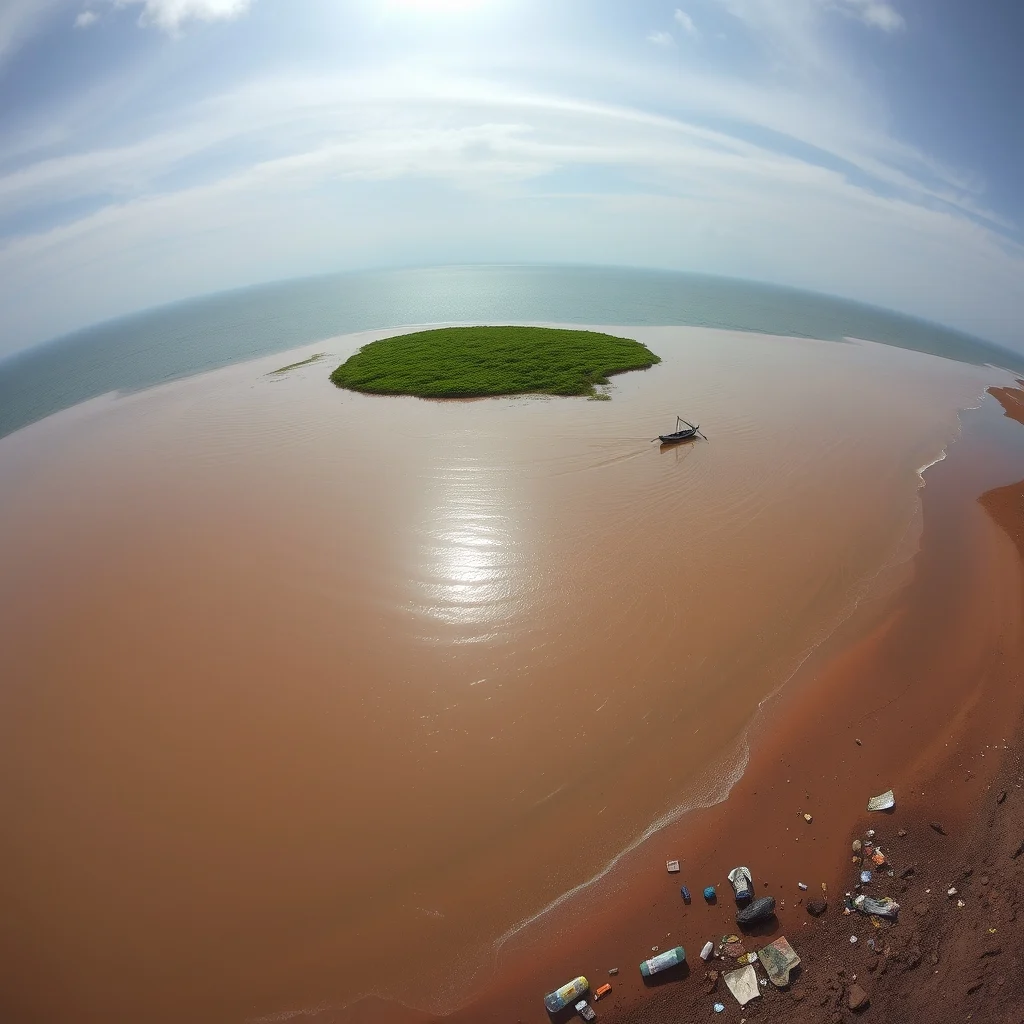
Ghana’s Environmental Protection Authority (EPA) issued a stark warning about the deteriorating health of the nation’s oceans, citing pollution and plastic waste as primary culprits, during the recent World Ocean Day commemoration in the Western Region. The EPA highlighted the critical role of coastal ecosystems, particularly the Amanzule Wetland, in maintaining marine health, as authorities work towards its designation as a Ramsar site.
A Changing Marine Landscape
Professor Nana Ama Browne Klutse, CEO of the EPA, described a visibly altered ocean color during the World Ocean Day event, noting a shift from the familiar blue to a concerning brown hue. This visual change serves as a potent metaphor for the broader environmental degradation affecting Ghana’s waters.
The theme for this year’s World Ocean Day, “Reimagining Beyond the World We Know: A New Relationship with the Ocean,” underscores the need for a paradigm shift. Professor Klutse emphasized moving from resource exploitation to active protection, stressing the intrinsic link between wetlands and ocean health.
“If you step out there and look over the ocean, I am sure you will be emotional. The colour is no longer blue as we have known it. I see a brown colour of the ocean,” she stated, capturing the emotional impact of the environmental changes.
Wetlands: The Earth’s Kidneys
The Amanzule Wetland, a vital coastal ecosystem in the Western Region, was central to the discussions. Its ongoing efforts to achieve Ramsar site designation are seen as a crucial step in safeguarding it from destruction, mitigating flood risks, and preserving its rich biodiversity.
Dr. Musonda Mumba, Secretary-General of the Convention on Wetlands, powerfully illustrated the importance of wetlands by referring to them as “the kidneys of the earth.” She explained their essential function in filtering pollutants before they can reach and contaminate the oceans, reinforcing that ocean protection begins inland.
“Protecting oceans begins with protecting wetlands,” Dr. Mumba asserted, drawing a direct line between terrestrial and marine environmental health.
Government and Community Commitment
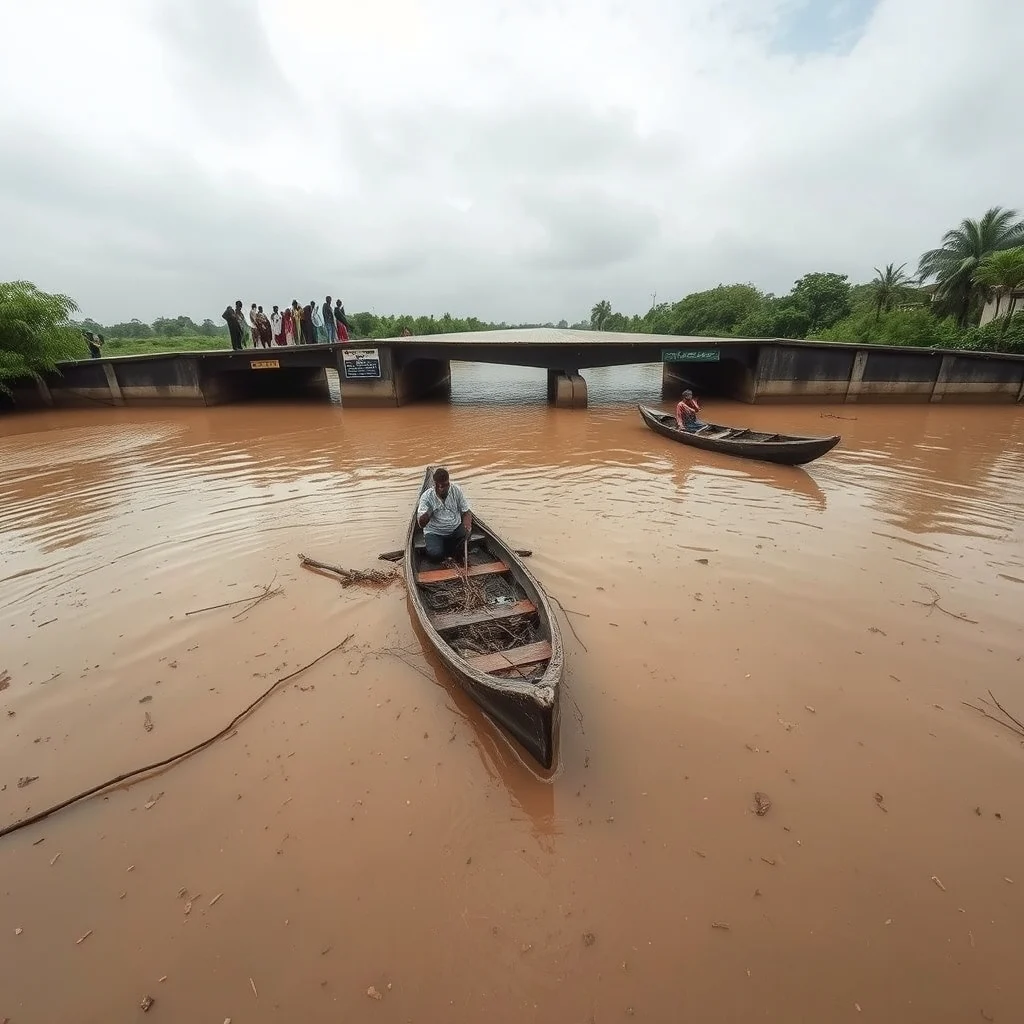
Emmanuel Armah-Kofi Buah, the Minister of Lands and Natural Resources, acknowledged that recent widespread flooding incidents are direct consequences of neglecting environmental warnings. He reiterated the role of wetlands as natural defenses against floods, erosion, and the escalating impacts of climate change.
“If only the sea and wetlands could speak, their way of reminding us is the floods we see,” the Minister remarked, highlighting the undeniable evidence of environmental distress.
The government has pledged its full support for the protection of the Amanzule Wetland. The Minister urged both communities and institutions to demonstrate respect for areas designated as wetlands, emphasizing shared responsibility.
Traditional authorities also lent their voices to the cause. Awulae Blay IX of the Eastern Nzema Traditional Area called for a more responsible and harmonious relationship between citizens and nature.
“If we treat the ocean well, the ocean will treat us well,” he advised, echoing traditional wisdom relevant to contemporary environmental challenges.
Addressing Plastic Pollution
In addition to ecosystem protection, the EPA used the occasion to remind the public about the existing ban on styrofoam products, commonly used for takeaway food packaging. These items are significant contributors to plastic pollution in marine environments.
The ban is scheduled to be fully enforced from January 1, 2027. The EPA is actively encouraging businesses and consumers to proactively transition to sustainable, environmentally friendly alternatives to mitigate plastic waste.
A Call for Action
As Ghana grapples with persistent pollution and the undeniable realities of climate change, stakeholders are emphasizing that safeguarding the ocean transcends mere environmental responsibility. It is now framed as a critical matter of survival, the preservation of livelihoods, and the safeguarding of future generations.
The brown oceans are not just a visual anomaly; they represent a serious ecological crisis that demands immediate and collective action. The path forward involves reimagining human-ocean relationships, strengthening wetland protection, and drastically reducing pollution, especially plastics.
The ongoing efforts to designate the Amanzule Wetland as a Ramsar site, coupled with the enforcement of plastic bans, signal a growing commitment. However, sustained vigilance, community engagement, and robust policy implementation will be crucial to reversing the current trends and ensuring a healthier future for Ghana’s marine ecosystems.







Leave a Reply