
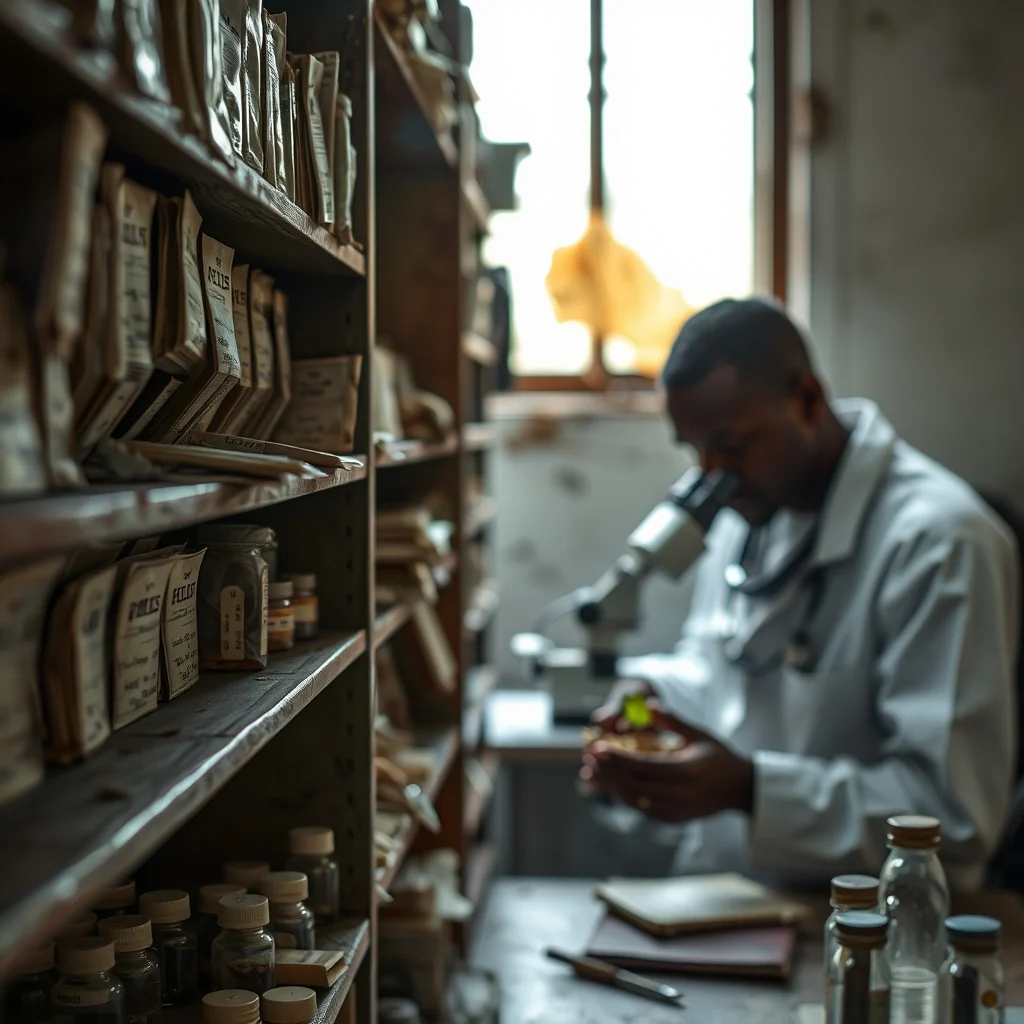
Accra, Ghana – The Plant Genetic Resources Research Institute (PGRRI) is urgently seeking approximately US$500,000 in dedicated annual funding to maintain its critical operations, including the preservation of Ghana’s indigenous food crops and seed varieties. Dr. Daniel Ashie Kotey, Director of PGRRI, highlighted the severe funding shortfall on Joy FM’s Super Morning Show during Agri Business Month, emphasizing that current resources are insufficient for routine functions, let alone necessary infrastructure upgrades.
Decades of Underfunding Hamper Operations
Established in 1964 and officially recognized as an institute in 2005, PGRRI has not received significant infrastructural upgrades since its inception over five decades ago. This lack of investment poses a major constraint on the institute’s ability to carry out its mandate effectively.
Dr. Kotey described the facility’s infrastructure as outdated, noting the need for major renovations and the acquisition of modern equipment and improved research tools. “We were established in 1964, and we became an institute in 2005. That was the last time we saw any major facelifts,” he stated.
Crucial Role in Food Security and Biodiversity
PGRRI plays a vital role in safeguarding Ghana’s agricultural heritage. Its responsibilities include conserving indigenous food species, protecting valuable crop genetic resources, and ensuring the availability of quality seeds for farmers across the country.
However, for over two decades, the institute has struggled with inadequate funding, a situation that threatens its long-term sustainability and effectiveness. This persistent resource gap could undermine national efforts to ensure food security and preserve agricultural biodiversity.
Threat to Disappearing Traditional Crops
The warning from Dr. Kotey comes at a critical time when many traditional crop varieties are gradually disappearing. These indigenous crops often possess unique traits, such as drought resistance or nutritional value, making them invaluable for future agricultural resilience and adaptation to climate change.
Without adequate funding, PGRRI’s capacity to collect, conserve, and study these vital genetic resources is severely limited. This risks the permanent loss of valuable biodiversity that could be crucial for developing new crop varieties suited to Ghana’s evolving environmental and economic conditions.
Call for Sustained Government Support
Dr. Kotey stressed the need for dedicated and sustained funding from the government. “We need dedicated funding from the government to make sure that we can adequately protect these resources. We need close to about US$500,000,” he reiterated.
This funding is not for expansion but solely for maintaining essential operations, including the upkeep of gene banks, research activities, and the dissemination of improved seeds to farmers. The institute’s plea underscores the broader challenge of valuing and adequately resourcing institutions critical for national development and long-term sustainability.
Implications for Ghana’s Agricultural Future
The implications of underfunding PGRRI extend beyond the institute itself, impacting Ghana’s entire agricultural sector and its food security. The loss of indigenous crop diversity could make the nation more vulnerable to pests, diseases, and climate shocks.
Investing in PGRRI is an investment in Ghana’s agricultural future, ensuring that the country can adapt to changing conditions and maintain a diverse and resilient food system. The coming months will be crucial in determining whether the necessary financial support materializes to safeguard these invaluable national assets.





Leave a Reply