
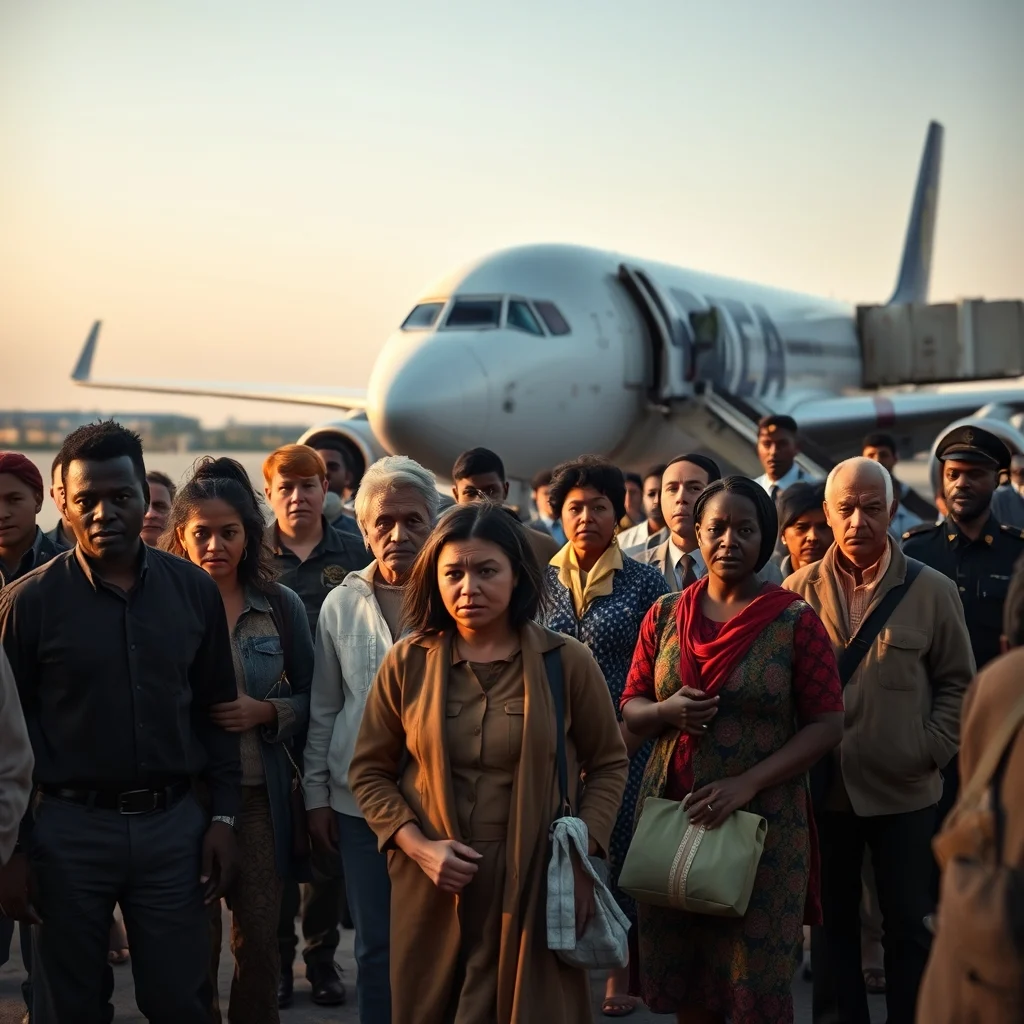
South African Home Affairs officials announced Tuesday that of nearly 300 Ghanaian nationals who registered for voluntary repatriation from OR Tambo International Airport, only 10 were found to be legally residing in the country. The group was set to depart for Accra amidst escalating anti-undocumented migrant protests across South Africa.
Widespread Immigration Violations Uncovered
Stephen van Neel, head of Home Affairs Immigration and Law Enforcement, informed reporters that a significant number of individuals on the voluntary repatriation list were found to be in violation of immigration laws. “Of the 300 individuals that were on that list, we only found 10 of them being legal in the country,” van Neel stated.
He further elaborated that the remaining individuals were either undocumented, had overstayed their permits, or were otherwise non-compliant with South African immigration regulations. The Department of Home Affairs indicated that appropriate sanctions would be applied.
Repatriation Amidst Tensions
The repatriation flight, initially intended for nearly 300 Ghanaian nationals, saw fewer individuals ultimately board. Ghana’s High Commission in South Africa confirmed that some individuals were turned away due to documentation issues. These individuals are reportedly being considered for a subsequent repatriation flight later this week.
This operation occurs against a backdrop of heightened tensions surrounding undocumented migration in South Africa. Recent months have seen an intensification of demonstrations by groups advocating for stricter immigration controls and against the presence of undocumented migrants.
Ghanaian Diplomatic Response
Benjamin Kofi Quashie, Ghana’s High Commissioner to South Africa, addressed the situation by urging for calm and explicitly ruling out any retaliatory actions against South Africans residing in Ghana. “We believe that if there are any South Africans that need to be repatriated, it is the responsibility of state institutions, not individuals,” Quashie commented.
The High Commissioner emphasized Ghana’s commitment to fostering cooperation and upholding the spirit of Pan-Africanism, despite the current challenging circumstances. The diplomatic mission is working to manage the situation and support its nationals.
Data and Official Statements
The Department of Home Affairs’ statement to the South African Broadcasting Corporation (SABC) highlights the significant gap between those expressing intent to repatriate voluntarily and those found to meet legal requirements for departure. This suggests a potential disconnect or lack of awareness regarding immigration status among some foreign nationals.
The assertion by van Neel that only 10 out of nearly 300 were legal underscores the scale of non-compliance identified within this specific group. The department’s commitment to implementing sanctions indicates a firm stance on enforcing immigration laws.
Broader Implications for Migration and Policy
The incident brings to the fore the complex challenges South Africa faces in managing its borders and undocumented populations. The rise in anti-immigrant sentiment, fueled by socio-economic concerns, puts pressure on the government to demonstrate decisive action.
For individuals seeking to reside or work in South Africa, the event serves as a stark reminder of the importance of adhering to legal immigration procedures. The potential for sanctions, including fines and bans on re-entry, underscores the risks associated with non-compliance.
Looking Ahead
The focus will now shift to the follow-up repatriation flight for those initially turned away and the broader impact of these events on South Africa’s immigration policies. Observers will be watching to see if this incident prompts more robust enforcement measures or a review of voluntary repatriation programs. The ongoing dialogue between South Africa and Ghana, particularly concerning the rights and status of their respective citizens abroad, will also be crucial in navigating future diplomatic relations and migration management strategies.







Leave a Reply