
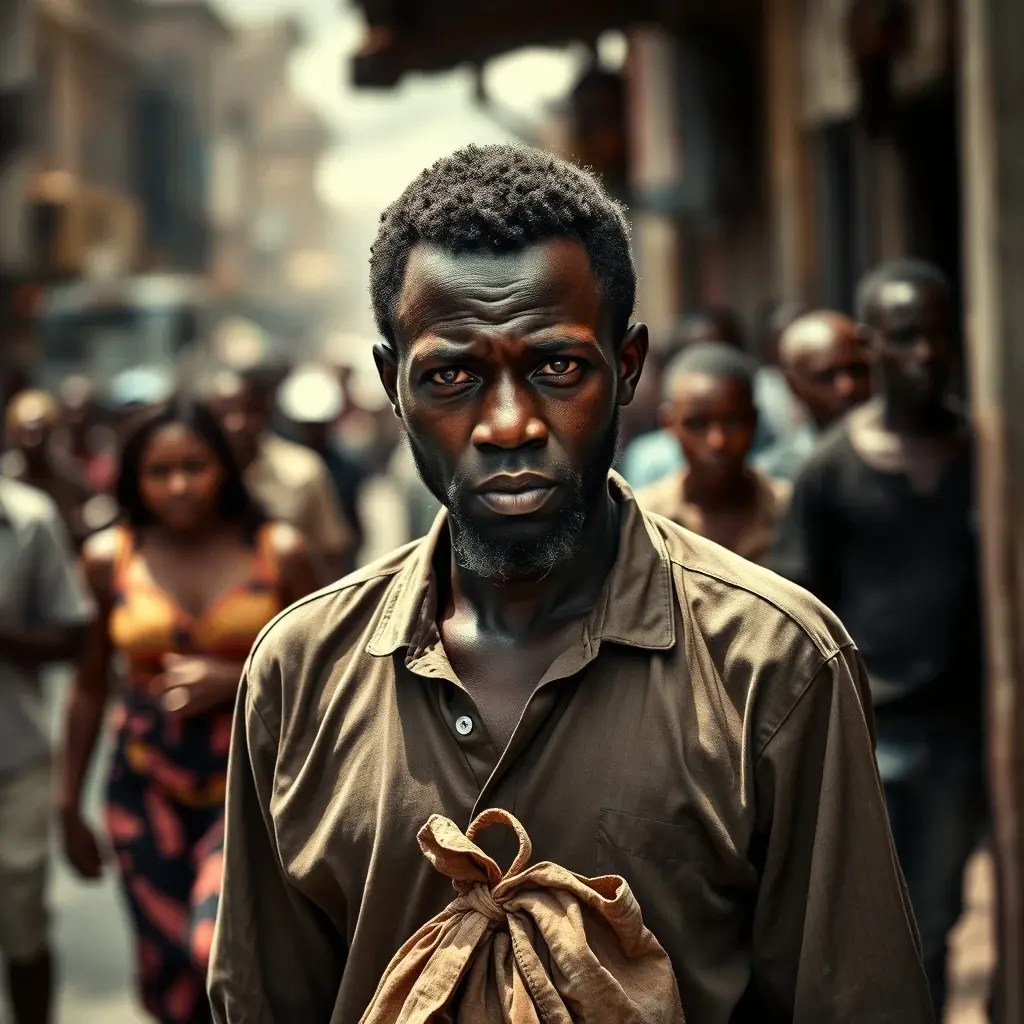
South Africa is facing mounting criticism for its persistent struggle with xenophobia, a phenomenon that has seen fellow Africans targeted with violence, threats, and looting. This issue has resurfaced with renewed intensity, drawing sharp rebukes from other African nations and highlighting a stark contradiction between Pan-African ideals and the reality on the ground. The recurring pattern of hostility towards foreign nationals, particularly those from other African countries, has led to diplomatic tensions and calls for genuine accountability.
A Pattern of Denial and Excuse-Making
The article argues that South Africa frequently engages in a pattern of denial and excuse-making when xenophobic incidents occur. Instead of directly addressing the issue, politicians and analysts often resort to blaming socio-economic factors like poverty, unemployment, and inequality. This approach is criticized for deflecting from the core issue of deliberate hostility directed at specific nationalities, primarily fellow Africans.
Activist Jacinta Ngobese-Zuma is cited as an example of this tendency, with her claims that Ghana “overreacted” to incidents involving its citizens in South Africa. The article questions the threshold for acceptable response, asking if bodies must pile up or businesses must be destroyed before other nations are permitted to feel threatened.
Selective Hostility vs. Pan-Africanism
A central theme is the hypocrisy of celebrating Pan-Africanism at summits while treating fellow Africans as unwelcome outsiders. The article points out that South African businesses often operate freely and profitably across the continent, enjoying protection, while their citizens are not subjected to similar mob violence or nationalist attacks in other African nations.
This selective hostility, the article contends, undermines the very principles of African unity and brotherhood that are frequently espoused. It suggests that many other African countries demonstrate a better understanding of coexistence than South Africa currently does.
Immigration Laws and Mob Justice
The recurring justification of illegal immigration is also challenged. The article posits that if undocumented migrants are a significant issue, it points to failures in South Africa’s law enforcement and immigration institutions. It criticizes the outsourcing of border control to mobs armed with violence, arguing that civilized states use legal and institutional channels, not vigilantism.
When mobs begin to dictate who lives or dies, the issue transcends immigration policy and becomes a matter of moral and societal collapse, the piece states.
Historical Betrayal and Forgotten Solidarity
The article highlights the historical context of solidarity during the apartheid era. African nations, including Ghana, made significant sacrifices—politically, economically, and diplomatically—to support South Africa’s liberation movements. Nelson Mandela is noted for his acknowledgment of this continental support.
The current treatment of fellow Africans as invaders is presented as a profound betrayal of this historical debt. This historical ingratitude, coupled with national arrogance, is seen as a deeply damaging aspect of the situation.
Leadership and the Future of Unity
The response from South African leaders is characterized as cautious, often involving carefully crafted speeches and recycled condemnations that fail to address the recurring pattern. The boycott of an African Union meeting in South Africa by some leaders is seen as a symbolic acknowledgment of the deep-seated problem.
The article concludes by posing a critical question about the nature of Pan-Africanism: is it a genuine principle or merely decorative language for conferences? It warns that without confronting xenophobia honestly and without excuses, South Africa risks alienating the continent that once supported its freedom, potentially leaving it isolated in future challenges.








Leave a Reply