
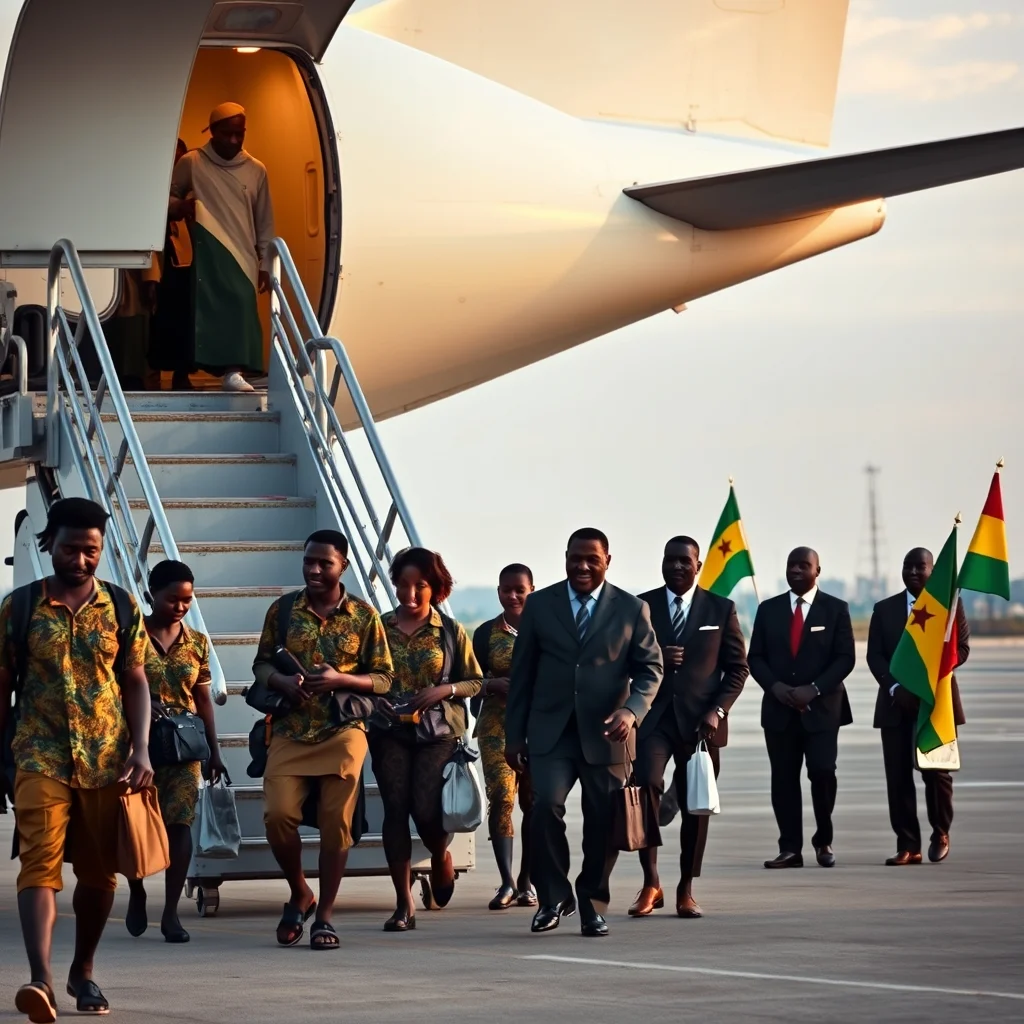
In response to escalating xenophobic violence in South Africa, Ghana has initiated the evacuation of its citizens, with the first 300 returnees arriving recently. This repatriation effort highlights the complex relationship between the two nations, forcing Ghana to confront issues of illegal migration and the need for sustained diplomatic ties amidst emotional public outcry for retaliatory measures against South African businesses.
Context of Ghanaian-South African Relations
The recent surge in xenophobic attacks in South Africa has directly impacted the Ghanaian diaspora, prompting urgent government action. South Africa, a major economic hub on the continent, hosts a significant number of Ghanaians, estimated at nearly 25,000. The current crisis has led to the evacuation of a fraction of this population, underscoring the deep interconnectedness of citizens across African borders.
Historically, Ghana and South Africa have maintained diplomatic and economic relations. However, the recurring nature of xenophobic incidents in South Africa has strained these ties and ignited public debate within Ghana regarding the safety and treatment of its nationals abroad.
Addressing the Immediate Crisis
Ghana’s government has been commended for its swift response in evacuating citizens caught in the crossfire of the violence. The repatriation process, however, has revealed stark realities about migration patterns. Official figures indicate that out of the first 300 evacuees, only 10 possessed legal residency status in South Africa.
This statistic points to a significant number of Ghanaians traveling and residing in South Africa through irregular channels. The situation was further complicated by the detention of 26 Ghanaians for visa violations, necessitating diplomatic negotiations for their release and repatriation.
The South African authorities’ handling of undocumented migrants, including potential travel bans for those facing deportation, adds another layer of complexity to the situation. This raises concerns about the rights and welfare of migrants, regardless of their legal status.
Debating Retaliation vs. Diplomacy
Amidst the emotional distress and anger fueled by the attacks, some voices within Ghana have called for retaliatory actions, such as shutting down South African businesses operating in Ghana. While understandable in the heat of the moment, experts caution that such measures are not a sustainable long-term strategy.
Foreign Direct Investments (FDIs) are crucial for Ghana’s economic growth, job creation, and overall development. Making emotionally driven decisions during a temporary crisis could jeopardize these vital economic interests, potentially harming Ghana’s own development prospects.
“We cannot make permanent emotional decisions over a temporary crisis that can be handled better for our long-term mutual benefit,” stated one observer, highlighting the need for a balanced approach that prioritizes national economic interests while addressing the immediate humanitarian concerns.
The Reality of Illegal Migration
Beyond the immediate xenophobic crisis, the situation forces a candid discussion about illegal migration. While not the sole cause of South Africa’s challenges, the prevalence of undocumented migrants is a recognized issue. Ghana itself grapples with illegal migration, though typically managed through lawful processes, with occasional tensions in markets involving foreign traders.
The high number of returnees without legal status underscores the risks undertaken by individuals seeking economic opportunities abroad. This situation calls for increased education and awareness campaigns among Ghanaian citizens regarding the importance of adhering to legal migration procedures, even in the face of economic hardship.
Domestic Solutions and Future Prospects
The crisis also prompts a critical examination of domestic policies and opportunities within Ghana. With abundant natural resources and a relatively small population, there is a strong argument that Ghana should be able to provide sufficient opportunities to deter its citizens from undertaking perilous journeys abroad.
“The real long-term solution is to build a Ghana where opportunities are enough to convince our young people that staying home is worth it,” an analyst noted. This suggests a need for robust economic development strategies focused on job creation and improving living standards to retain talent and reduce the impetus for emigration.
Government Support and Reintegration
The government’s promise of support for the reintegration of returning Ghanaians is a critical component of the response. Ensuring that this support is genuinely fulfilled, extending beyond airport reception and political optics, is vital for restoring hope and dignity to those affected.
“Moments like this make citizens feel proud of their country, knowing that when things become difficult abroad, their government will show up for them and not abandon them,” remarked a commentator. A successful reintegration program could significantly bolster citizens’ confidence in their government’s commitment to their welfare, both domestically and internationally.
Looking Ahead
The ongoing situation in South Africa and Ghana’s response will likely shape future diplomatic strategies and migration policies within the West African region. Attention will remain on the South African government’s commitment to addressing xenophobia and protecting foreign nationals. Furthermore, the effectiveness of Ghana’s reintegration programs for its returning citizens will be closely watched, offering potential models for other nations facing similar challenges. The long-term success of retaining Ghanaian youth will hinge on the nation’s ability to foster sustainable economic growth and create ample opportunities at home.


Leave a Reply