
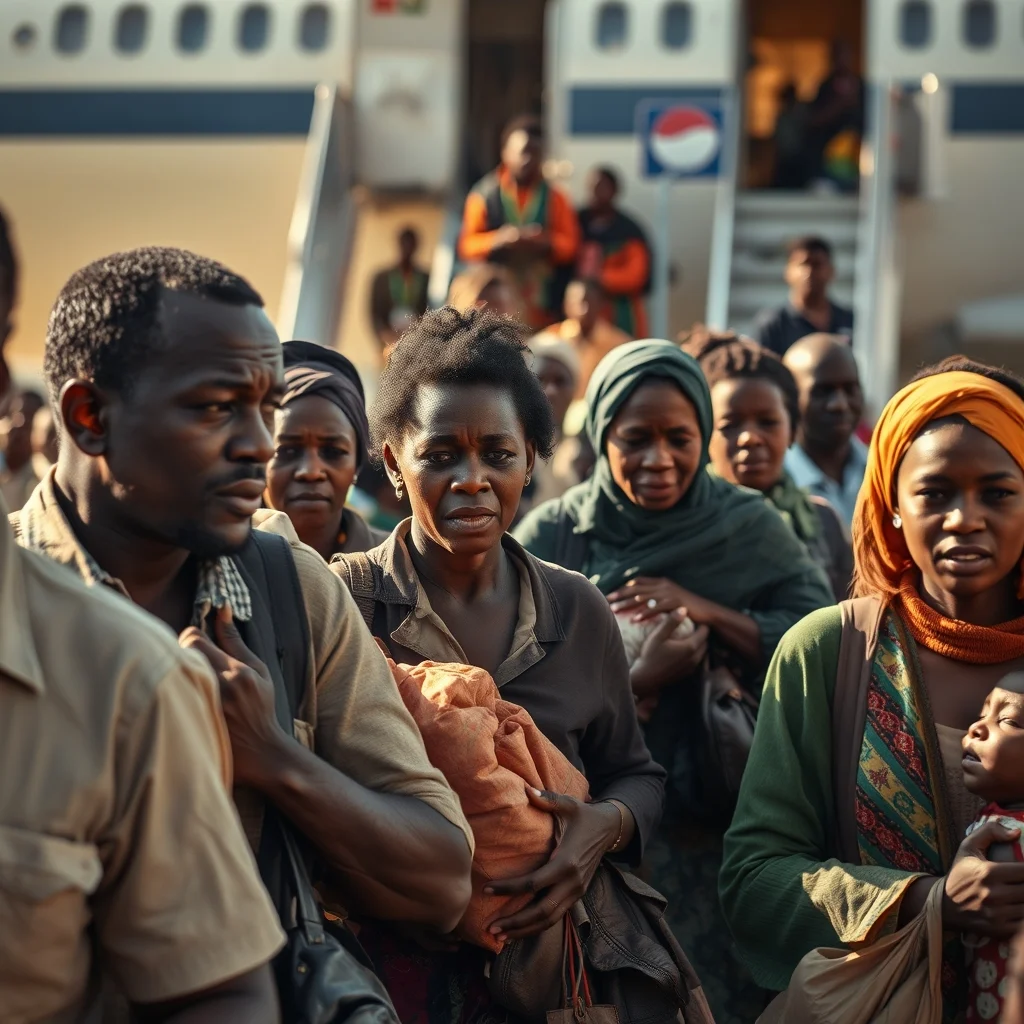
Hundreds of Ghanaians are returning home following a wave of xenophobic violence in South Africa, prompting a national conversation about illegal migration, bilateral relations, and economic opportunities within Ghana. The first evacuation flight on Sunday brought back approximately 300 Ghanaian citizens, with many more expected to follow as tensions persist. This situation highlights the complex interplay between diaspora safety, national economic interests, and the root causes of irregular migration.
Context of the Crisis
The recent surge in xenophobic attacks in South Africa has targeted foreign nationals, including a significant number of Africans. These incidents, which have led to violence, looting, and displacement, have drawn strong condemnation from various African nations and international bodies. For Ghanaians, the attacks have evoked deep concern, particularly given the presence of a substantial Ghanaian diaspora in South Africa.
Official figures indicate that nearly 25,000 Ghanaians reside in South Africa, many of whom are engaged in various economic activities. The recent evacuations represent only a fraction of this population, underscoring the need for a stable and functional relationship between the two countries, despite the current crisis.
Addressing the Immediate Aftermath
The Ghanaian government has initiated urgent steps to evacuate its citizens who wish to return. The initial group of 300 evacuees revealed a stark reality: only about 10 possessed legal residency status in South Africa. This statistic raises significant questions about the legal standing of many Ghanaians living abroad and the potential consequences they face.
Furthermore, reports indicate that some individuals were prevented from boarding initial flights due to their status as illegal residents, with South African authorities intending to take action, including potential travel bans. Additionally, 26 Ghanaians who had been imprisoned for visa violations were released following negotiations between the two governments, highlighting the complexities of consular assistance during such crises.
The Uncomfortable Truth of Illegal Migration
Beyond the immediate humanitarian response, the situation forces a confrontation with the issue of illegal migration. While not the sole cause of South Africa’s challenges, the prevalence of undocumented migrants is a significant factor. Ghana itself faces its own instances of undocumented foreign traders, though typically managed through legal channels rather than widespread violence.
The high number of undocumented Ghanaians returning from South Africa serves as a critical warning. It underscores the importance of educating citizens about legal migration pathways, even when faced with economic pressures and the allure of better opportunities abroad. The risks associated with illegal migration, including detention and deportation, are substantial.
Calls for Domestic Solutions
Amidst the international crisis, there are growing calls for Ghana to address the underlying reasons driving its citizens to seek opportunities abroad. With abundant natural resources and a relatively manageable population, the argument is that Ghana should be able to provide sufficient opportunities to retain its youth. Investing in domestic economic development and job creation is presented as the most sustainable long-term solution.
The government’s swift action in facilitating evacuations has been praised as a demonstration of care for its citizens abroad. This proactive stance can foster a sense of national pride and strengthen citizens’ confidence in their government’s commitment to their welfare, regardless of their location.
Reintegration and Future Prospects
A crucial next step involves the successful reintegration of the returnees into Ghanaian society. Promises of support for their resettlement must translate into tangible assistance to prevent further hardship. A well-managed reintegration program could not only restore dignity to affected individuals but also reinforce the belief that their home country offers a viable future.
The long-term implications of this crisis extend to Ghana-South Africa relations. While condemning the violence and demanding accountability from South African authorities is necessary, maintaining a functional diplomatic and economic relationship is vital for the thousands of Ghanaians still residing in South Africa and for future foreign direct investment. The focus must remain on sustainable solutions that address both the immediate safety concerns of Ghanaians abroad and the underlying economic drivers of migration.





Leave a Reply