
The National Petroleum Authority (NPA) announced an increase in the price floor for petrol and Liquefied Petroleum Gas (LPG) for the first pricing window of June 2026, while diesel prices are expected to see a marginal decrease. This adjustment reflects shifts in international market prices and other economic factors.
Context of Fuel Pricing Adjustments
The price floor represents the minimum price at which Oil Marketing Companies (OMCs) and LPG Marketing Companies (LPGMCs) can retail petroleum products. All companies are mandated to adhere to these approved floors according to the Petroleum Products Pricing Guidelines (PPPG).
It is important to note that these price floors do not include premiums charged by International Oil Trading Companies (IOTCs) or the operating margins of Bulk Import, Distribution, and Export Companies (BIDECs). Marketers and dealers also set their own margins separately.
Specific Price Changes for June 2026
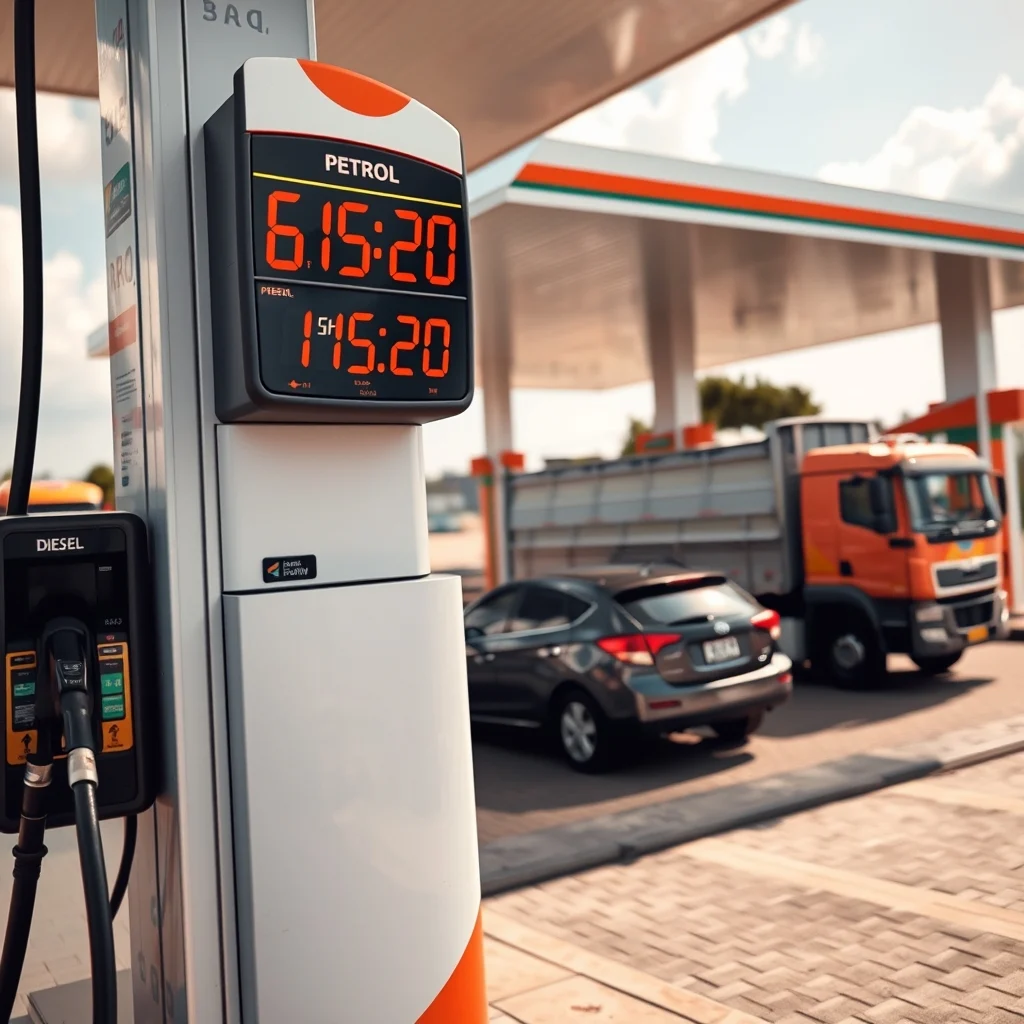
In the upcoming June pricing window, the price floor for petrol will be GH¢15.20 per litre, an increase of GH¢0.60 from the GH¢14.60 per litre recorded in May. LPG prices will also rise, with the price floor moving to GH¢13.48 per kilogram from GH¢13.16, a rise of GH¢0.32.
Conversely, diesel prices are projected to decrease slightly. The price floor for diesel is set at GH¢15.49 per litre, down from GH¢15.81 per litre in the second pricing window of May, marking a reduction of GH¢0.32.
Impact of Government Fuel Relief Measures
These latest adjustments follow a government review of fuel relief measures previously implemented to cushion consumers against rising fuel costs, exacerbated by Middle East tensions. The government had introduced subsidies to mitigate these effects.
However, under the revised intervention, the GH¢0.36 per litre subsidy on petrol has been removed. The support for diesel has also been reduced from GH¢2.00 per litre to GH¢1.07 per litre, effective from the second pricing window in May.
These updated relief measures are scheduled to remain in effect for two pricing windows. Further reviews may occur depending on the evolution of market conditions.
Industry and Consumer Implications
The upward adjustment in petrol and LPG prices, coupled with a slight decrease in diesel, will directly impact consumer spending and transportation costs. The reduction in government subsidies on diesel, while still providing some relief, means consumers will bear a larger portion of the fuel cost compared to the previous period.
The NPA’s pricing outlook is a critical indicator for the petroleum market, influencing the operational costs for businesses reliant on fuel, such as transportation and logistics companies. The fluctuating international market prices and geopolitical factors continue to be significant drivers of these domestic price changes.
Looking Ahead
Consumers and industry stakeholders will be closely monitoring the global oil market and any further government policy updates. The effectiveness of the revised fuel relief measures and their sustainability in the face of potential market volatility will be key areas to watch in the coming months. The NPA’s continued adherence to transparent pricing mechanisms will be crucial for market stability.









Leave a Reply