
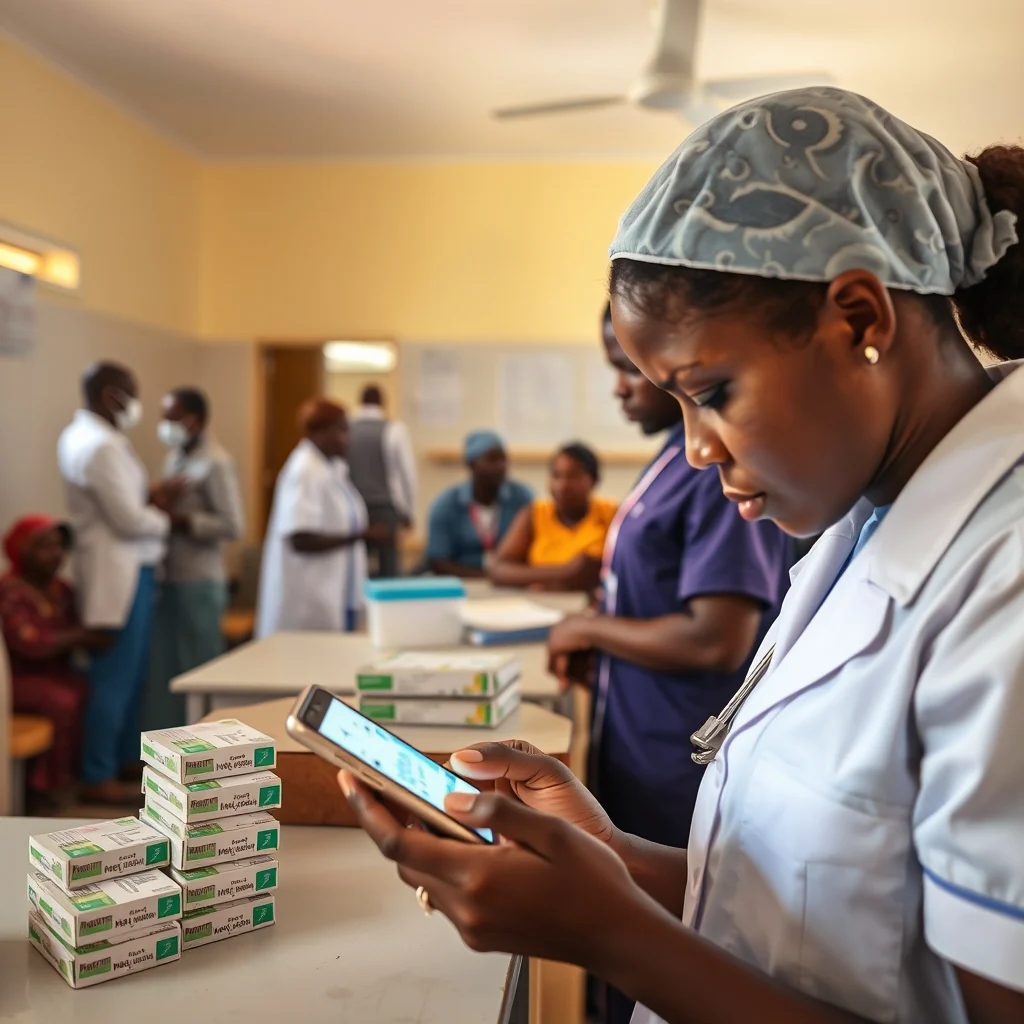
A new digital health initiative, the Inyabon MedSync Project, is actively improving the availability and management of essential medicines across health facilities in Northern Ghana. Launched recently by the Zomujo Foundation, this pilot program addresses persistent challenges of stock shortages and supply chain inefficiencies by enhancing real-time visibility and coordination across all levels of care.
Addressing Critical Gaps in Medicine Access
Stock shortages of essential medicines have long plagued health facilities, directly impacting patient care by causing treatment delays and increasing the burden on healthcare workers. The Inyabon MedSync Project aims to bridge these critical gaps by introducing a responsive and efficient medicine supply system.
The project is currently being piloted in 20 diverse health facilities, including Community-based Health Planning and Services (CHPS) compounds, health centers, district hospitals, and a regional hospital, spanning the Northern and Savannah Regions of Ghana. This comprehensive approach ensures that improvements are tested and refined across the entire spectrum of healthcare delivery.
Innovative Technology Meets Collaborative Learning
At the core of the Inyabon MedSync system is a dual approach combining a USSD/SMS-based stock monitoring platform with a just-in-time inventory management strategy. This innovative combination empowers health facilities to report their medicine stock levels in real time.
Unlike traditional, often paper-based reporting systems that can lead to significant delays, this digital platform provides enhanced real-time visibility across the entire medicine supply chain. This improved oversight facilitates better, data-driven decision-making for both individual facilities and district health management teams.
Furthermore, the project actively integrates the Ghana Health Service Network of Practice model. This model fosters a culture of peer learning, collaborative problem-solving, and continuous improvement among healthcare professionals. Through this structured learning network, participating facilities and health managers can effectively exchange experiences, discuss operational challenges, and share practical solutions that can be adapted throughout the health system.
Strengthening Coordination and Responsiveness
Dr. Teata Duut, the Project Lead for Inyabon MedSync, emphasized the project’s broader objectives.









Leave a Reply