
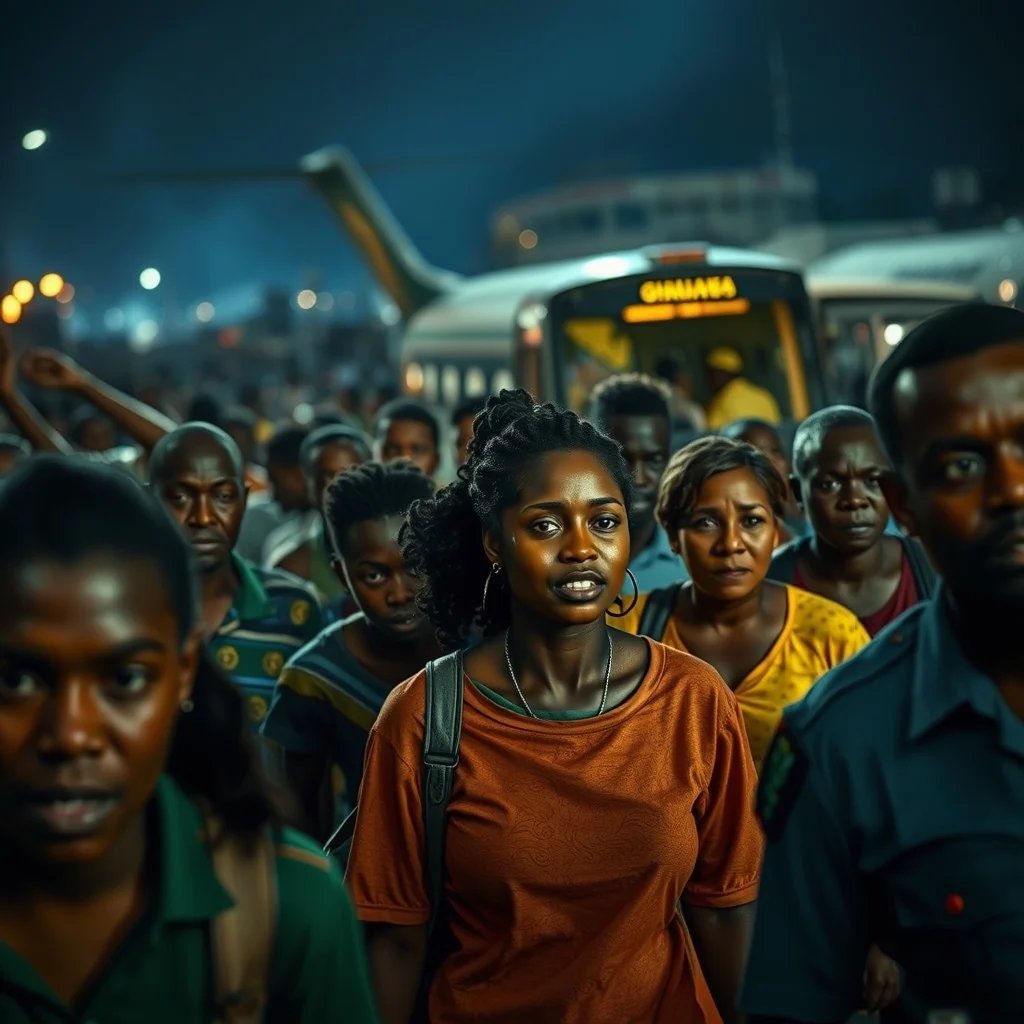
Accra, Ghana – A Ghanaian parliamentary committee member has urged the government and its citizens to ignore comments made by South African politician Julius Malema concerning Ghana’s evacuation of its nationals from xenophobic attacks. The remarks, which questioned the timing and approach of Ghana’s response, have sparked a debate on national interest versus external commentary in foreign policy decisions.
Context of the Controversy
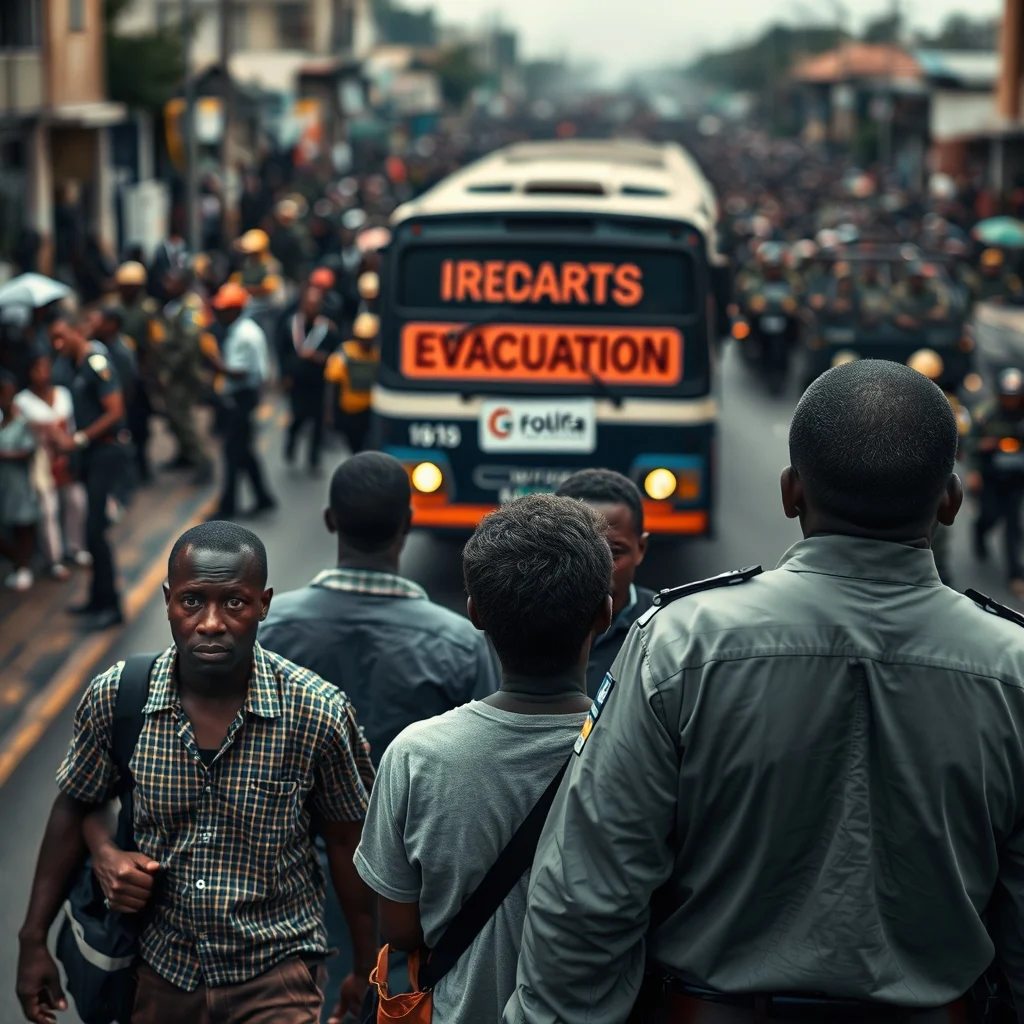
The situation arose following escalating xenophobic tensions in South Africa, which led Ghana to initiate an evacuation process for its citizens. Julius Malema, leader of South Africa’s Economic Freedom Fighters (EFF), publicly stated that Ghana’s reaction was “not necessary at that moment” and could worsen the delicate situation.
Malema warned that Ghana’s approach risked creating negative perceptions and deepening divisions if not handled with extreme care. His statements implied a criticism of Ghana’s sovereign decision-making during a humanitarian crisis affecting its people.
Parliamentary Response and National Interest
In response to Malema’s comments, Samuel Abdulai Jinapor, Ranking Member on Parliament’s Foreign Affairs Committee, firmly advised disregarding the EFF leader’s utterances. Jinapor emphasized that Ghanaian national interests must take precedence over any external opinions or political commentary.
Speaking on JoyNews’ Newsfile on Saturday, May 30, Jinapor asserted that foreign political viewpoints should not dictate Ghana’s policy or its humanitarian obligations to its citizens abroad. The MP stressed the paramount importance of ensuring the safety and repatriation of Ghanaians caught in the unrest.
Jinapor acknowledged that the evacuation operation had encountered initial delays and logistical challenges, which had caused concern among various stakeholders. He stated, “There have been some initial delays and hiccups in the execution of this operation, and some of us were very concerned at the beginning.”
Despite these initial hurdles, Jinapor commended the government’s ongoing efforts, describing the evacuation as both necessary and in the best interest of the affected Ghanaians. He highlighted Ghana’s established history of successfully repatriating citizens from crisis zones, citing past operations in Sierra Leone, Liberia, and Ukraine as evidence of the nation’s capacity to protect its people abroad.
Expert Perspectives and Data
While specific data on the number of Ghanaians evacuated was not detailed in the initial report, the reference to past large-scale repatriations underscores the government’s commitment. Ghana’s foreign policy framework traditionally prioritizes the welfare of its diaspora, particularly during times of conflict or instability.
The stance taken by MP Jinapor reflects a broader principle in international relations where national sovereignty and the protection of citizens are non-negotiable. “I think we should disregard, with the greatest of respect, the utterances of Julius Malema completely. Ghanaian national interests supersede any other interests,” Jinapor stated, reinforcing this principle.
Implications for Ghana and the Diaspora
The government’s firm stance signals a clear message to both domestic and international audiences: Ghana will prioritize its citizens’ safety and welfare above external criticism. This approach aims to reassure Ghanaians living abroad that their government is prepared to act decisively in emergencies.
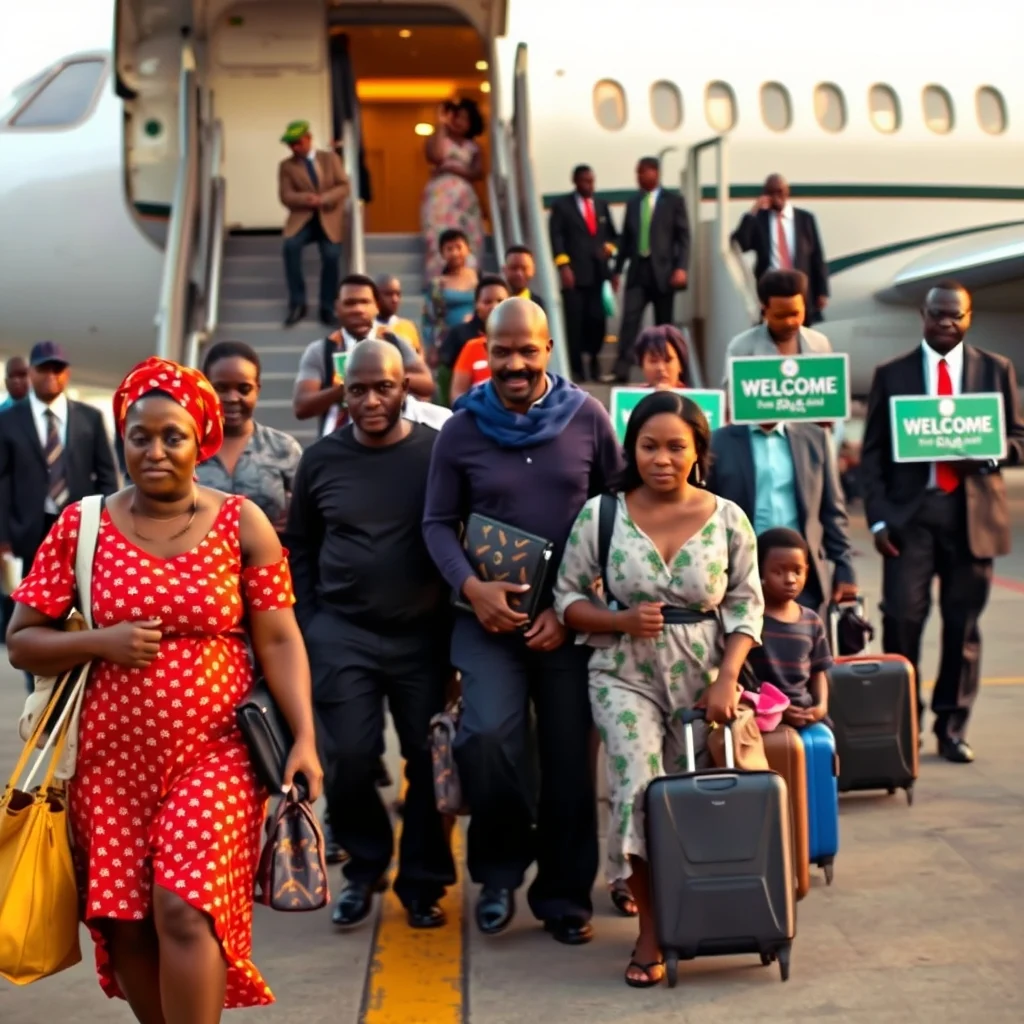
For the Ghanaian diaspora, particularly those in South Africa, this assertion of national interest provides a sense of security and governmental support. The government continues to coordinate evacuation efforts, assuring that all necessary measures are being taken for a safe return.
Looking Ahead
As the evacuation process continues, the focus will remain on the efficient and safe repatriation of all affected Ghanaians. The government’s commitment to safeguarding its citizens abroad, irrespective of external commentary, will be a key aspect to watch. The incident also highlights the ongoing challenges of xenophobia in South Africa and the diplomatic considerations involved in addressing such crises.





Leave a Reply