
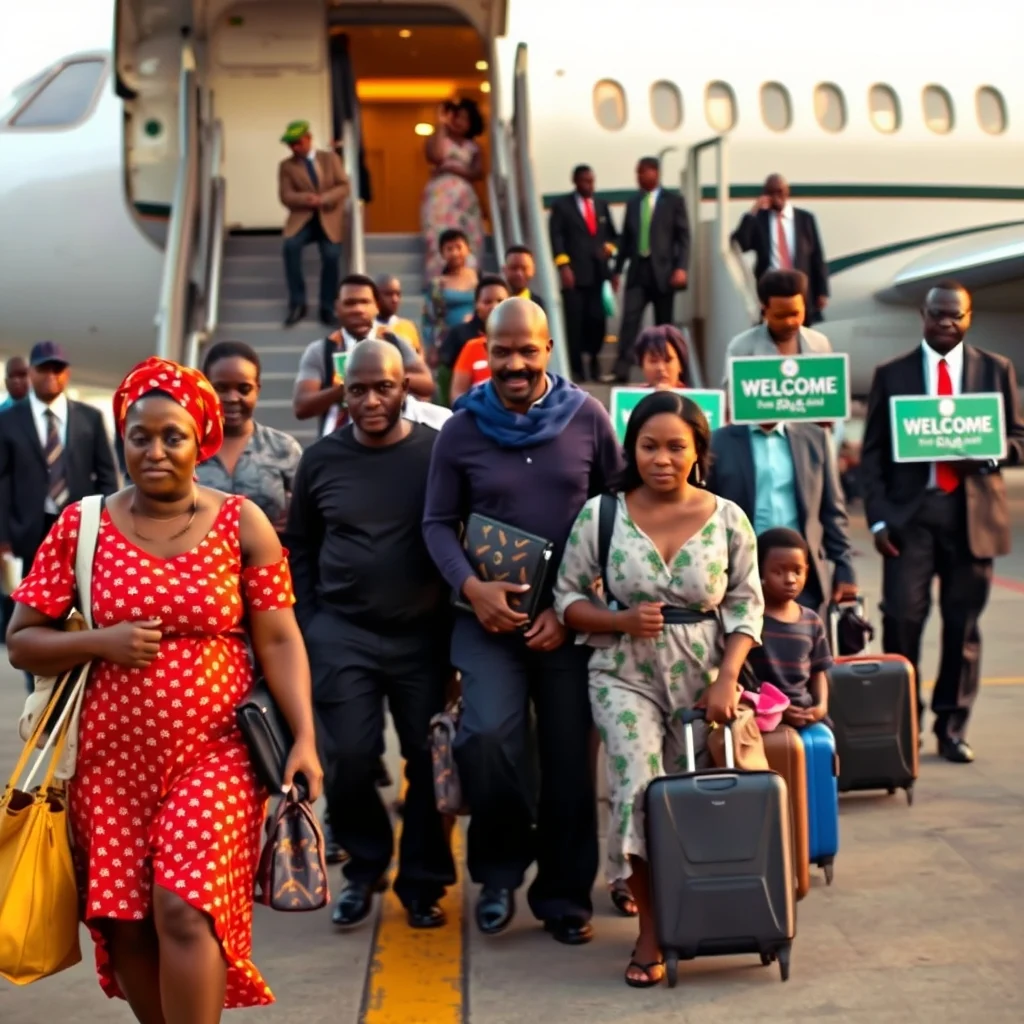
Accra, Ghana – May 30, 2024 – Ghana’s government has commenced the evacuation of its citizens from South Africa following recent unrest, a move that has drawn commendation from the Minority in Parliament. The first batch of approximately 300 Ghanaians arrived back in the country on Wednesday, with officials assuring that efforts are ongoing to repatriate all nationals wishing to return.
Government Evacuation Underway
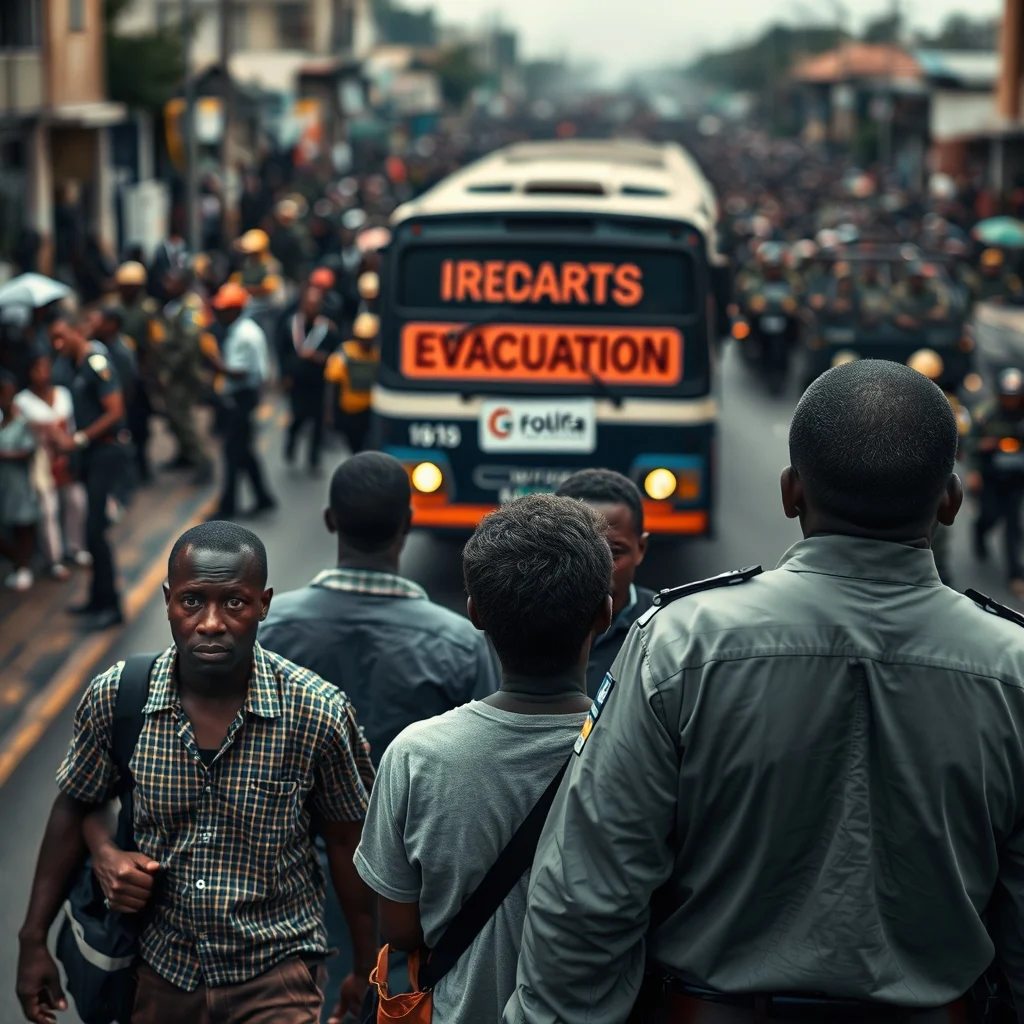
The Ministry of Foreign Affairs and Regional Integration has confirmed the initiation of the evacuation process for Ghanaians affected by xenophobic incidents and associated unrest in South Africa. This operation aims to ensure the safety and well-being of Ghanaian nationals residing in the affected areas.
Officials stated that the government is committed to bringing all Ghanaian citizens home who express a desire to return. The first group of evacuees arrived on Wednesday, marking the beginning of what is expected to be a multi-phase operation.
Minority’s Endorsement and Initial Concerns
Samuel Abdulai Jinapor, Ranking Member on Parliament’s Foreign Affairs Committee and the Damango MP, lauded the government’s efforts in a recent interview. He described the evacuation as “commendable,” highlighting it as a testament to the importance of national responsibility towards citizens during crises.
“The efforts the government is making are welcomed and commendable,” Jinapor stated. He added that the Minority had consistently urged the deployment of all necessary resources to facilitate the safe return of Ghanaians.
However, Jinapor also acknowledged initial concerns regarding the pace of the evacuation. He referred to early challenges as “hiccups” that caused anxiety among some Ghanaians both at home and abroad.
Historical Precedents for Evacuation
Ghana possesses a notable history of undertaking significant evacuation and repatriation operations. Jinapor referenced past successes, including missions during conflicts in Sierra Leone and Liberia. He also cited the large-scale evacuation of thousands of Ghanaians from Ukraine during the COVID-19 pandemic.
These historical precedents underscore Ghana’s established capacity and commitment to protecting its citizens abroad during times of international crisis. “Ghana has been extraordinary in responding to its citizens in times of international crises and should maintain that standard,” Jinapor emphasized.
Supporting Data and Official Assurances
While specific numbers of Ghanaians affected or awaiting evacuation were not immediately detailed, the government has assured the public of its continued commitment. The Ministry of Foreign Affairs is coordinating with Ghanaian diplomatic missions in South Africa to manage the logistics and ensure a smooth repatriation process.
The ongoing operation involves coordinating flights, providing temporary accommodation where necessary, and facilitating the reintegration of returnees into Ghanaian society. The government’s response is seen as a crucial step in addressing the immediate safety concerns of its nationals.
Implications for Citizens and Bilateral Relations
The evacuation directly impacts the Ghanaian citizens who are being brought home, offering them a safe haven away from the xenophobic tensions in South Africa. It also signals to the Ghanaian diaspora that their government prioritizes their safety and will act to protect them in emergencies.
For the broader bilateral relationship between Ghana and South Africa, such incidents and subsequent evacuations can strain diplomatic ties. However, the collaborative efforts in ensuring safe passage for evacuees can also be seen as a necessary measure to manage the immediate crisis.
Looking Ahead
As the evacuation continues, attention will be on the total number of citizens repatriated and the long-term support provided to them upon their return. Observers will also watch how diplomatic channels are used to address the root causes of xenophobia in South Africa and to prevent future incidents that could endanger foreign nationals.








Leave a Reply