

The United Kingdom has successfully defended itself against a substantial legal claim from Rwanda, with an international court ruling that the UK owes no significant payment over the collapsed asylum seeker agreement. The decision, reached following a three-day hearing in the Netherlands, means the UK will not have to pay Rwanda potentially over £100 million, a sum the Rwandan government had sought after the deal was cancelled by the Labour government shortly after taking office.
Background to the Asylum Agreement
The controversial asylum agreement was initially established by the previous Conservative government. Its core objective was to transfer asylum seekers who arrived in the UK through irregular means to Rwanda. Under the terms, Rwanda would process their asylum claims, and successful applicants could be granted refugee status and allowed to remain in Rwanda. The UK government intended this policy as a deterrent against illegal crossings of the English Channel, particularly in small boats.
The Rise and Fall of the Rwanda Plan
First announced in 2022 by then-Prime Minister Boris Johnson, the plan immediately faced significant opposition and legal challenges. The inaugural flight intended to carry asylum seekers to Rwanda in 2022 was halted moments before departure due to an injunction from the European Court of Human Rights (ECHR). This event triggered a series of complex legal battles within UK courts, ultimately preventing the scheme from being implemented as originally envisioned.
Labour’s Stance and Policy Shift
Scrapping the Rwanda plan was a key pledge in the Labour Party’s manifesto for the 2024 general election. Upon assuming office, Prime Minister Keir Starmer declared the policy “dead and buried.” In contrast, the UK’s legal team argued at the Permanent Court of Arbitration that cancelling the plan upon a change in government was “entirely logical” and “simple common sense,” asserting that no further payments were due.
Rwanda’s Legal Argument
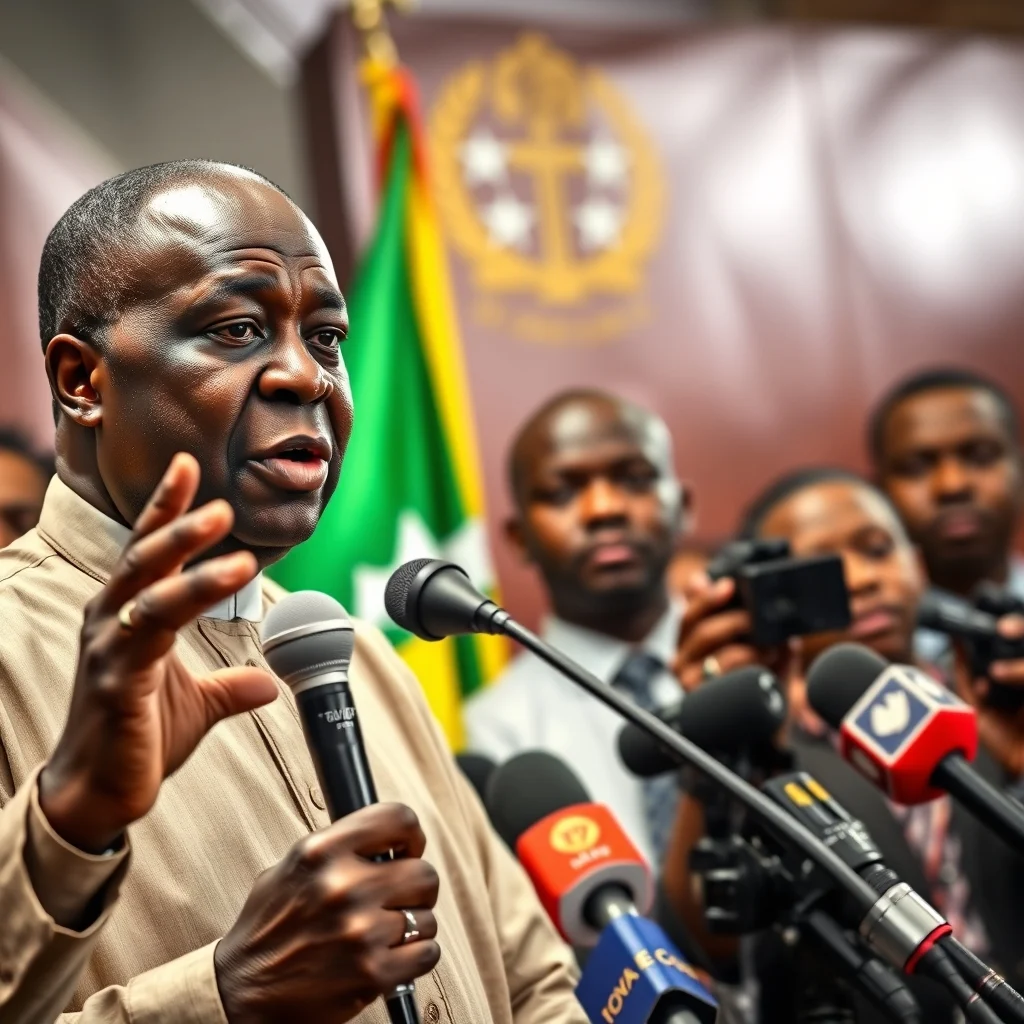
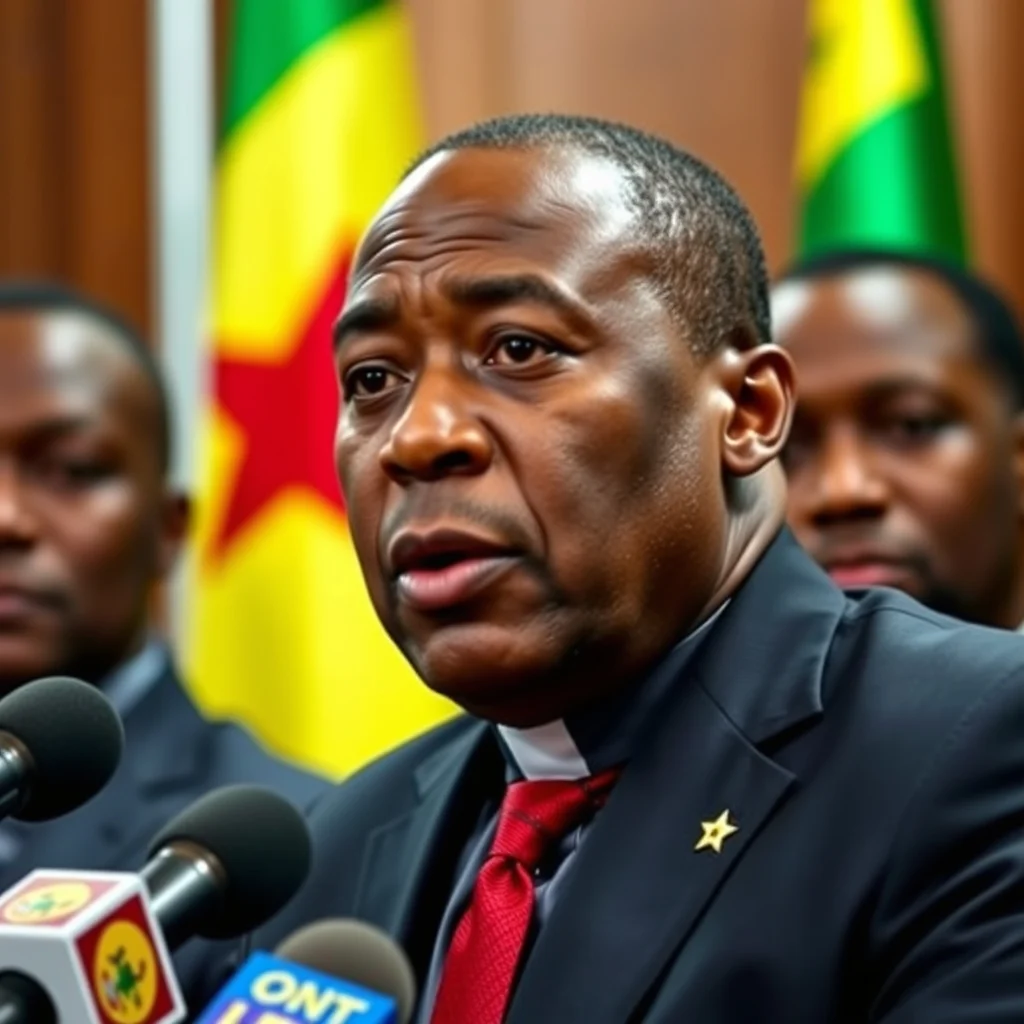
Rwanda’s Minister of Justice and Attorney General, Emmanuel Ugirashebuja, presented the country’s case. He informed the court that Rwanda had incurred “significant costs” in preparation for the partnership. Ugirashebuja also stated that the UK had failed to inform Rwanda in advance of its decision to scrap the deal, with Rwandan leaders learning of the development through media reports. Rwanda was seeking over £100 million, alleging a breach of the agreement’s terms.
UK’s Defence and Court’s Ruling
Lawyers representing the UK contested Rwanda’s claims, denying that the UK had breached any parts of the agreement. They explicitly told the court, “Rwanda is not entitled to any of the forms of relief it seeks.” The Permanent Court of Arbitration’s ruling has now sided with the UK, absolving the country of any obligation to make substantial payments related to the defunct agreement.
Voluntary Removals and Limited Success
Following the failure of the original plan, the government introduced a voluntary removals programme in 2024. This initiative offered up to £3,000 to migrants whose asylum claims had been rejected, encouraging them to relocate to Rwanda. However, this programme saw limited uptake, with only four individuals voluntarily removed to the east African nation.
Government Response and Future Focus
A UK government spokesperson stated that the country had “robustly” defended its position in the legal proceedings. The focus, they added, is now on implementing “vital reforms to restore order and control to our borders.” This includes efforts to “remove the incentives drawing illegal migrants to Britain and scaling up removals of those with no right to be here.”
Implications and What’s Next
This court ruling provides significant financial relief for the UK government and removes a major legal hurdle related to the previous administration’s immigration policy. It reinforces the government’s stance on border control and its commitment to pursuing alternative measures for managing irregular migration. For the opposition, it validates their decision to dismantle the Rwanda plan. The outcome may also influence future international agreements concerning asylum processing and the financial liabilities involved when such partnerships are terminated. Attention will now turn to the effectiveness and legality of the government’s ongoing and future strategies for border management and removals.







Leave a Reply