

Accra, Ghana – A proposal by the Ghanaian government to implement an age-verification system for accessing pornographic websites has drawn scrutiny from a Member of Parliament, who suggests it may serve as a diversion from the persistent public demand for anti-LGBTQ+ legislation. Rev. John Ntim Fordjour, MP for Assin South and Ranking Member on Parliament’s Defence and Interior Committee, voiced concerns that the policy might be an attempt to shift national focus away from advancing laws that reflect the country’s conservative values.
Background to the Debate
The proposition, announced by Communications Minister Samuel Nartey George, aims to require users to prove their age and identity before accessing adult content online. Minister George has stated the initiative is designed to protect minors from exposure to explicit material, drawing parallels to similar systems in the United Kingdom. This announcement comes at a time when significant segments of Ghanaian society, particularly religious bodies, continue to advocate for legislation that upholds what they perceive as Ghana’s moral and cultural norms.
Diverting Attention?
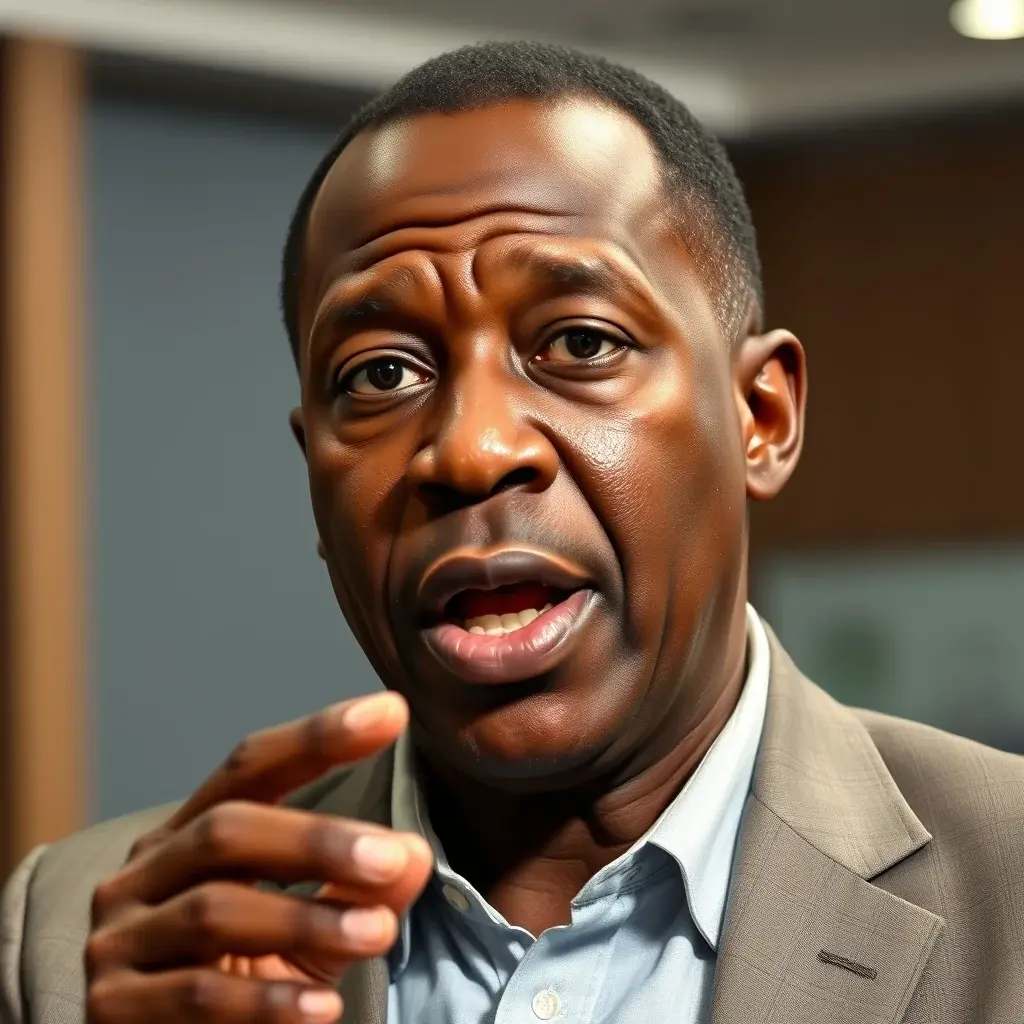
Rev. Ntim Fordjour articulated his agreement with a prevailing sentiment that the government might be seeking an alternative focus. “For me, I agree with the school of thought that says that the government seems to want to find an avenue to divert attention from the demand that the religious bodies and the overwhelming majority of Ghanaians are looking for and demanding,” he stated during a broadcast on Newsfile.
He emphasized that many Ghanaians and religious organizations are actively pushing for legislation that aligns with their definition of Ghana’s moral and cultural values. “They are demanding that let us have a bill which represents the true aspirations of Ghanaians in preserving our conservative values and norms,” Rev. Ntim Fordjour added.
Consultation Concerns
While acknowledging the potential merit of measures against immorality, Rev. Ntim Fordjour stressed the critical need for broad stakeholder consultations before implementing policies with significant societal impact. “If there is any attempt by government to take decisions that will clamp down on immorality, it is all well and good if that is the intention,” he commented.
However, he cautioned that the process and framework for such a policy require extensive public engagement. “My good friend Hon. Sam George will have to do a lot more consultations before such major announcements are made,” he advised.
The MP also pointed to existing public concerns surrounding other digital governance initiatives, such as the proposed National Information Technology Agency (NITA) legislation. He noted the pattern of significant policy announcements without prior consensus-building. “There are a lot of concerns about the NITA Bill and now again we hear another big announcement,” he observed.
Building Consensus
Rev. Ntim Fordjour underscored the importance of governmental consensus-building for policies affecting the entire society. “You need to consult and build consensus because you are making a law or policy for society. Have you received inputs and buy-in from key stakeholders?” he questioned.
He warned that pursuing controversial policies without adequate consultation risks undermining their effectiveness and public acceptance. “Let us get back to the table. What is it that we need to solve, and what is the best way to solve it?” he urged.
The Assin South MP advised the government to avoid solutions that may appear superficially popular but could become contentious due to a lack of stakeholder engagement. “So that we don’t just go for the popular way, which could become problematic and not be widely accepted by the very people that we want the law to serve,” he concluded.
Looking Ahead
The government has yet to release the full details of the proposed age-verification framework. Further policy considerations and stakeholder engagements are anticipated before any potential implementation. The public discourse highlights the ongoing tension between enacting social policies and ensuring transparent, inclusive legislative processes in Ghana.






Leave a Reply