
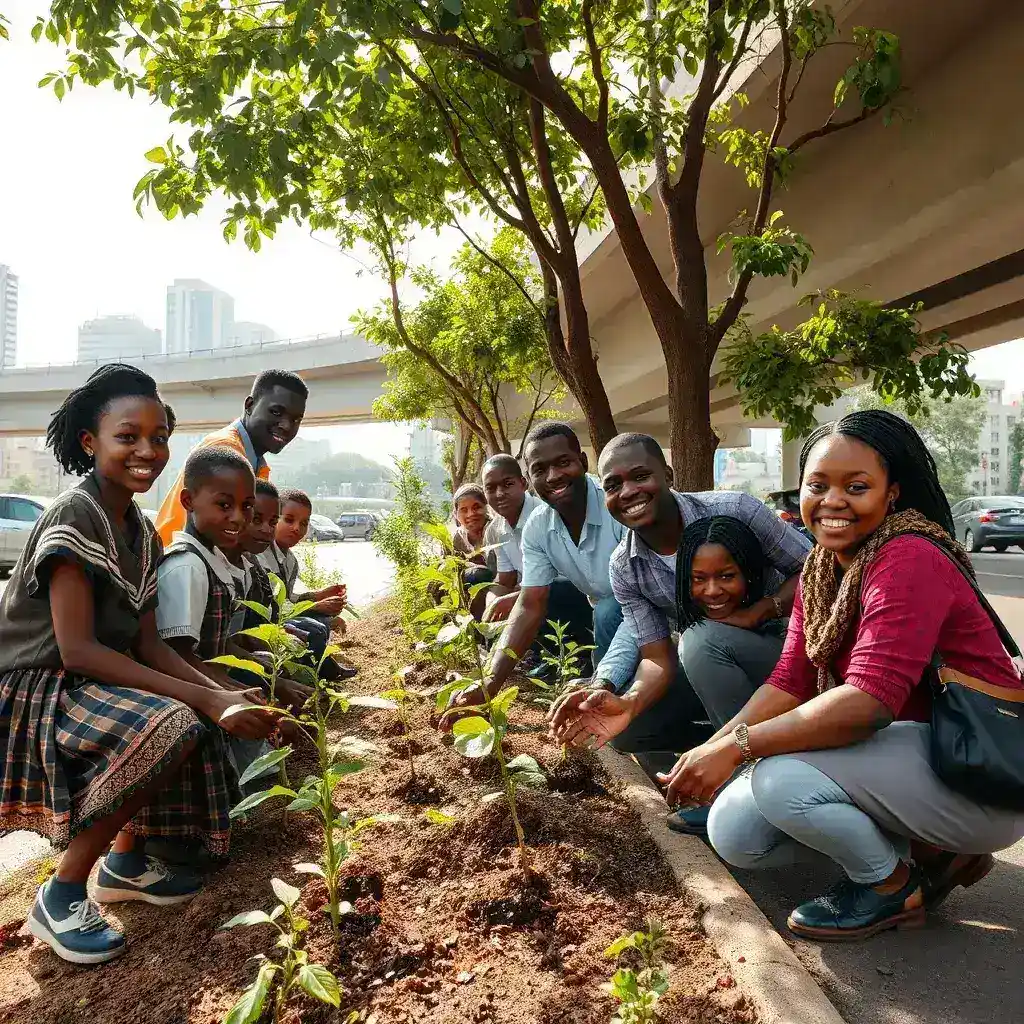
Accra, Ghana – In response to Ghana’s persistent flooding challenges, Wilfred Neneh Addico, Advisory Partner at Makers and Partners (MAP), is urging citizens and developers to prioritize tree planting and the preservation of green spaces in urban areas. This call to action comes as traditional solutions focusing solely on drainage systems prove insufficient, highlighting the need for nature-based approaches to mitigate flood risks. The initiative gained momentum during a collaborative tree planting event organized by MAP and Mothercare International School, coinciding with World Environment Day.
Addressing the Root Cause: Beyond Drainage Systems
For years, Ghana has grappled with annual flooding, a problem often tackled by enhancing drainage infrastructure. However, Wilfred Neneh Addico points out that these efforts fall short because the natural systems that once absorbed and slowed down rainwater have been significantly degraded.
“Natural systems that once slowed floodwaters have been compromised,” Addico stated, emphasizing the critical role of trees. He explained that trees act as natural sponges, intercepting rainfall and reducing the volume of stormwater runoff. This, in turn, alleviates pressure on existing drainage systems, preventing them from becoming overwhelmed.
A Collaborative Effort for a Greener Future
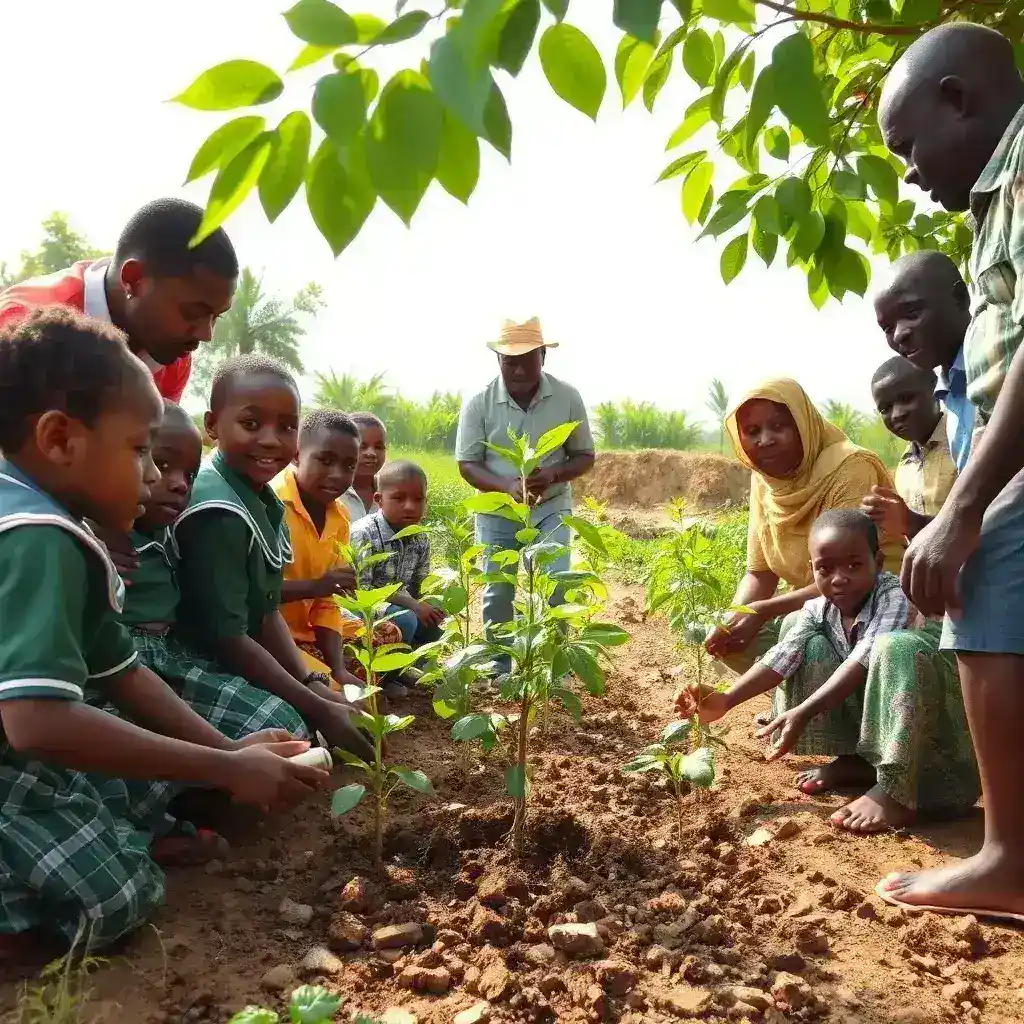
The recent tree planting exercise, a joint venture between Makers and Partners and Mothercare International School, saw the planting of 100 seedlings along the Airport flyover stretch. The event, monitored by the Department of Parks and Gardens, was part of MAP’s Corporate Social Responsibility (CSR) initiatives aimed at addressing environmental degradation, particularly in forestry.
Madam Peace Abasa-Addo, Headmistress of Mothercare International School, highlighted the educational significance of the event. She noted that the tree planting aligns with the school’s mission to foster responsible citizenship and educate students on crucial national issues.
“Planting trees and environmental education help students become aware of the benefits of growing trees, so they can play a role in protecting the environment,” Abasa-Addo explained. She further elaborated on how the activity integrates into the school’s curriculum, allowing students to practically apply concepts learned in science and social studies regarding environmental conservation.
A Call to Action for Developers and Policymakers
Addico extended a stern warning to builders and estate developers against the indiscriminate felling of trees. He stressed that such practices undermine collective efforts to restore degraded lands and exacerbate the very environmental challenges they aim to solve.
The focus on nature-based solutions like tree planting represents a paradigm shift in how environmental challenges, particularly urban flooding, are perceived and managed in Ghana. It suggests a move towards integrating ecological principles into urban planning and development.
Implications for Urban Resilience and Future Development
The advocacy for increased tree planting and green space preservation carries significant implications for Ghana’s urban resilience. By embracing these natural solutions, cities can become more adaptable to the impacts of climate change, including increased rainfall intensity. Furthermore, this approach can enhance urban aesthetics, improve air quality, and contribute to biodiversity.
For readers, this underscores the importance of individual and community action in environmental stewardship. It also signals a potential shift in development practices, where ecological impact assessments and the integration of green infrastructure become standard. As Ghana continues to urbanize, the success of such initiatives will depend on sustained commitment from corporations, educational institutions, government agencies, and the public alike. The long-term effectiveness of these nature-based strategies will be a key area to watch as Ghana navigates its path towards sustainable urban development and climate resilience.


Leave a Reply