
Ghana’s Ministry of Interior recently revealed an annual expenditure of approximately GH¢40 million on feeding prison inmates, highlighting a significant national budget item. This disclosure, made by Interior Minister Muntaka Mohammed-Mubarak, underscores the ongoing challenge of adequately funding public institutions and presents an opportunity for a sustainable, multi-faceted approach to food security and agricultural development.
Addressing Inadequacies and Unlocking Potential
While the government has commendably increased the daily feeding allowance for inmates from GH¢1.80 to GH¢5, this amount remains insufficient for three nutritious meals a day. The situation calls for a strategic shift beyond mere budgetary increases, focusing instead on long-term, self-sustaining solutions that integrate prison feeding with broader national goals.
A Vision for Prison Agriculture
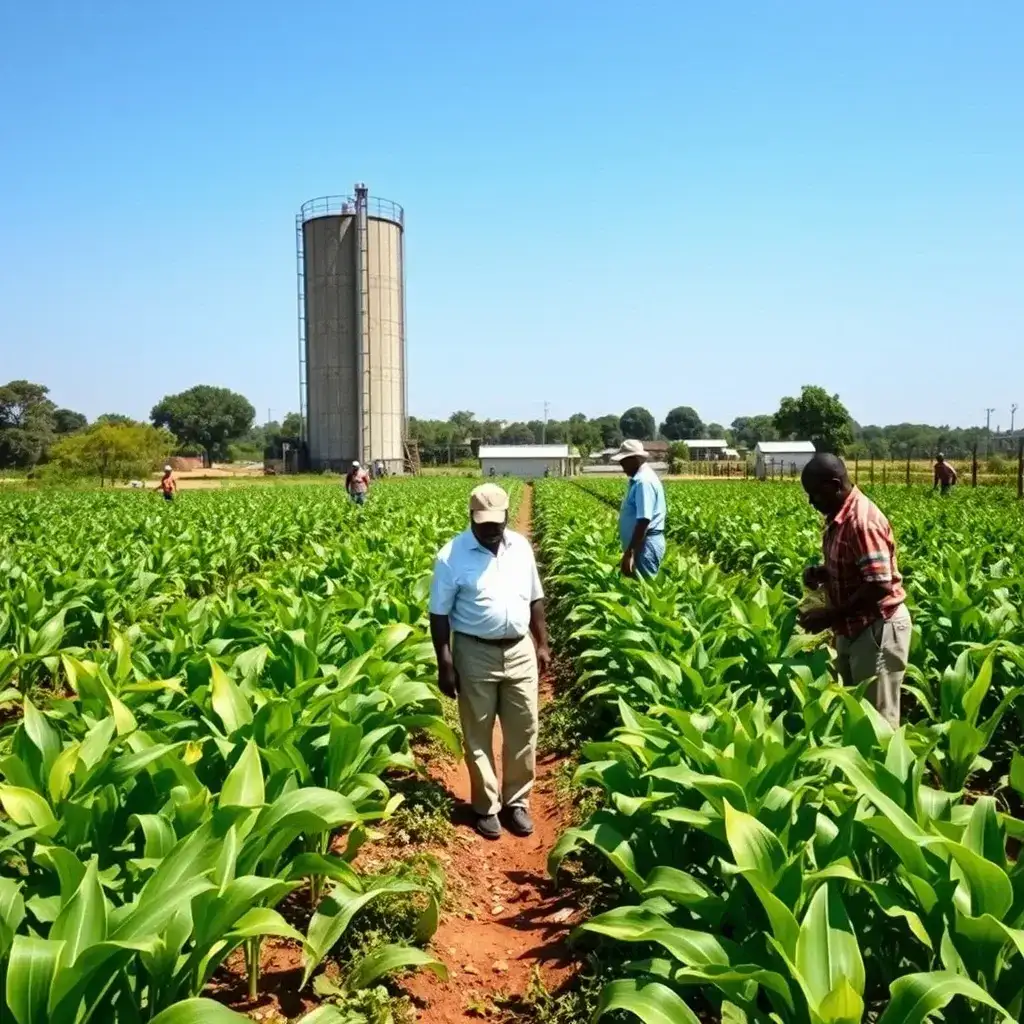
A proposed solution involves directing Metropolitan, Municipal, and District Assemblies (MMDAs) to allocate suitable land to the Ghana Prisons Service for agricultural production. These prison farms could cultivate staple crops like maize, rice, and cassava, alongside raising livestock, poultry, and fish. This model, successfully implemented in various countries, can reduce recurrent feeding costs.
Beyond food provision, such agricultural initiatives can equip inmates with valuable vocational skills, instil discipline, and aid in their rehabilitation and reintegration into society. This transforms the prison system from a cost centre into a contributor to national food production.
Strengthening Food Storage Infrastructure
Complementing agricultural production requires robust storage solutions to combat significant annual post-harvest losses. The government should invest in modern silos and storage centres across the country. This infrastructure would safeguard food produced on prison farms and by local communities, ensuring year-round availability for prisons, public schools, and other institutions.
A strategic food reserve system would stabilize supplies, reduce reliance on costly emergency purchases, and mitigate the impact of food price fluctuations.
Investing in Agro-Processing
To further enhance food security and farmer incomes, establishing joint-venture agro-processing facilities with multinational companies is crucial. These plants, located in major agricultural zones, would process surplus produce during peak harvest seasons, transforming items like tomatoes, fruits, and vegetables into products with longer shelf lives.
Agro-processing can convert excess crops into canned goods, fruit concentrates, dried products, and animal feed. This reduces food gluts, boosts farmer earnings, creates employment, and ensures a reliable food supply for state institutions.
The Ministry of Food and Agriculture’s Role
The Ministry of Food and Agriculture (MoFA) is pivotal to this vision, requiring a central coordinating role. MoFA’s expertise in modern farming practices and technical support is essential for maximizing productivity on prison farms.
Deploying Agricultural Extension Officers to work with prison authorities will provide professional guidance on crop selection, soil management, climate-smart agriculture, pest control, and post-harvest techniques. This ensures prison farms operate as viable enterprises.
Job Creation and Skill Development
This initiative presents a significant opportunity for job creation for agricultural graduates struggling to find employment. Expanding extension services to support prison farms, storage facilities, and processing plants would create new roles for agricultural professionals nationwide.
This strengthens Ghana’s agricultural extension system and bridges the gap between academic training and practical application. Extension officers can also disseminate best practices to local farming communities, enhancing overall agricultural output.
A National Development Strategy
The benefits extend beyond the prison service, supporting school feeding programs, hospitals, and security services. Increased food production strengthens rural economies, reduces food inflation, and lessens dependence on imported food.
This integrated approach transforms a recurrent expenditure into a productive national investment, aligning with government efforts to promote youth employment and modernize the agricultural sector.
Looking Ahead
The focus on prison feeding must evolve to embrace innovative, sustainable solutions that address the root causes of food insecurity and rising institutional costs. By integrating prison agriculture, investing in storage and processing, and bolstering agricultural extension services, Ghana can build a self-sustaining system benefiting inmates, farmers, professionals, and the nation. The question is not whether Ghana can afford this strategy, but whether it can afford not to implement it.










Leave a Reply