

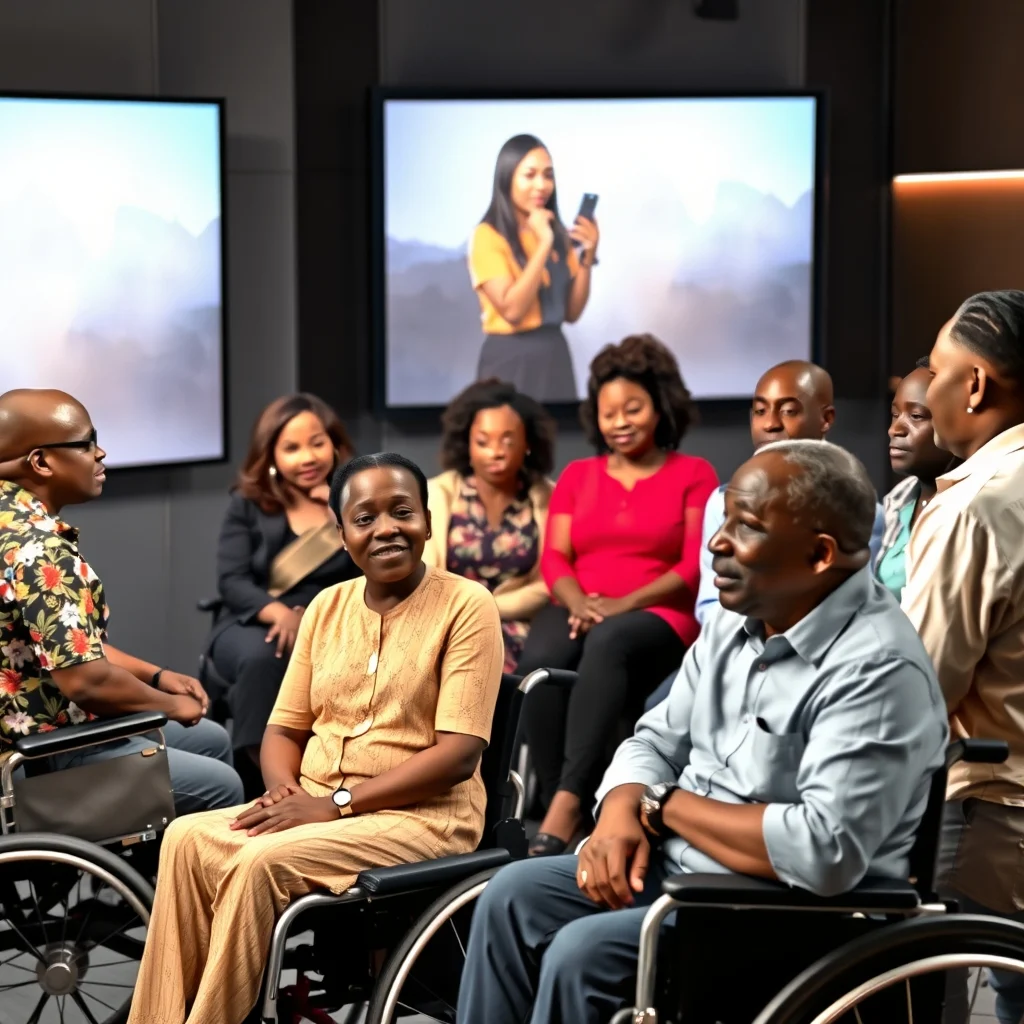
This Sunday, JoyNews’s program ‘The Law’ will delve into Ghana’s Persons With Disability Act, 2006 (Act 715), scrutinizing its effectiveness, the hurdles in its implementation, and the necessary steps to enhance the rights and inclusion of individuals with disabilities across the nation. The discussion will feature legal experts, advocates, and key stakeholders evaluating the Act’s success in promoting accessibility, equality, and protection.
Examining the Promise of Act 715
Act 715 was enacted with the ambitious goal of safeguarding the rights of persons with disabilities in Ghana. It aims to ensure their full and effective participation in society on an equal basis with others. The legislation covers various aspects, including accessibility to public buildings and infrastructure, education, employment, and social protection.
However, the effectiveness of any law hinges on its practical application. This edition of ‘The Law’ seeks to bridge the gap between legislative intent and on-the-ground reality. It will explore whether the provisions within Act 715 are translating into tangible improvements for the lives of Ghanaians with disabilities.
Implementation Challenges and Roadblocks
Despite the existence of Act 715, numerous challenges hinder its full implementation. These often include a lack of adequate funding for programs aimed at disability inclusion, insufficient public awareness about the rights enshrined in the Act, and a scarcity of accessible infrastructure. Many public spaces, transportation systems, and educational institutions still fall short of meeting accessibility standards.
Advocacy groups have consistently highlighted the persistent discrimination faced by persons with disabilities in employment and social settings. The Act provides a legal framework to combat such discrimination, but enforcement mechanisms often prove weak. This leads to a situation where legal rights are not always translated into lived experiences of equality and opportunity.
Voices from the Ground: Experts and Advocates
The program will feature insights from legal professionals who can interpret the nuances of the Act and its legal standing. They will likely discuss case studies or legal precedents that illustrate the application, or lack thereof, of Act 715. These expert opinions are crucial for understanding the legal landscape surrounding disability rights in Ghana.
Disability advocates and representatives from organizations supporting persons with disabilities will share firsthand accounts of the challenges and successes they have encountered. Their perspectives offer invaluable real-world context, illustrating the daily realities faced by individuals with disabilities and the impact of policy on their lives. Their testimonies will shed light on specific areas where the Act has made a difference, and where significant work remains.
Data and Evidence of Impact
While specific data points are yet to be detailed in the broadcast’s promotion, the discussion is expected to touch upon available statistics regarding disability prevalence in Ghana, access to education and employment for persons with disabilities, and instances of reported discrimination. Such data, when presented, will provide an objective measure of progress or stagnation in achieving the goals set out by Act 715.
For instance, reports from organizations like the Ghana Federation of Disability Organizations (GFD) often highlight disparities in access to healthcare and assistive devices. The conversation on ‘The Law’ will likely aim to connect these real-world data points to the legislative framework provided by Act 715.
Implications for Inclusion and Equality
The effectiveness of Act 715 has profound implications for the social and economic inclusion of a significant portion of Ghana’s population. When disability rights are upheld and the principles of accessibility are implemented, persons with disabilities can contribute more fully to society, both economically and culturally. This benefits not only individuals but also the nation as a whole.
A robust implementation of the Act fosters a more equitable society, reducing dependency and promoting self-reliance. It challenges societal attitudes and encourages a culture of respect and understanding. Conversely, the failure to implement the Act perpetuates marginalization and limits the potential of many citizens.
What to Watch Next
Moving forward, the focus will likely be on concrete strategies for improving the implementation of Act 715. This could involve calls for increased government funding, stronger enforcement mechanisms, public awareness campaigns, and greater collaboration between government agencies, civil society, and the private sector. The broadcast serves as a critical platform to highlight these needs and to foster a public dialogue that can drive positive change.
Audiences should watch for specific recommendations that emerge from the discussion, potential legislative amendments, and future advocacy efforts aimed at ensuring that Act 715 truly becomes a cornerstone of disability inclusion in Ghana.








Leave a Reply