
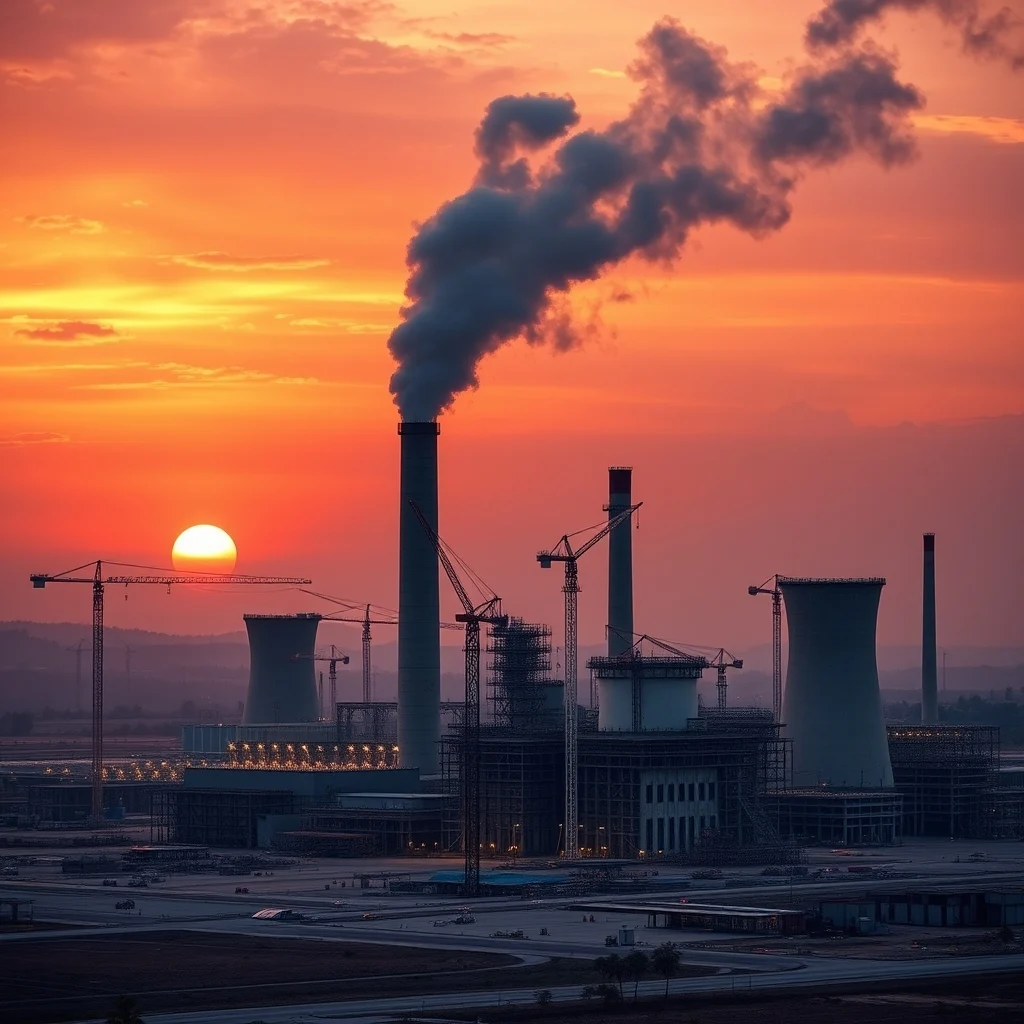
President John Dramani Mahama announced Saturday, May 2, plans to construct a new 1,200-megawatt gas-fired power plant in Ghana’s Eastern Region. The project aims to significantly expand the nation’s electricity generation capacity and ensure a stable supply to meet escalating demand, with sod-cutting anticipated before the end of the year.
Boosting Generation Capacity
The initiative is a key component of the government’s broader strategy to fortify Ghana’s power sector. This involves not only increasing overall generation but also building redundancy into the system to prevent disruptions.
President Mahama highlighted the substantial increase in electricity consumption since his administration took office. “When we came to power, consumption was about 3,500 megawatts, but currently peak demand has risen to about 4,300 megawatts,” he stated during his “Resetting Ghana” tour.
This surge in demand is attributed to increased investment and robust economic activity across the country. To sustain this growth and ensure reliable power for both households and industries, a significant expansion of generation capacity is deemed essential.
Project Development and Regional Impact
The Ministries of Energy and Finance have reportedly finalized the design and roadmap for the new power plant. This preparatory work is intended to smooth the path for construction to commence promptly.
Beyond catering to domestic needs, the new plant is envisioned to enhance Ghana’s role in regional energy trade. The surplus electricity generated could be exported to neighboring countries, such as Burkina Faso, thereby generating valuable foreign exchange for Ghana.
The government is committed to moving forward with the project, with the President indicating, “By God’s grace, this year we will cut sod for its commencement.”
Strategic Importance for Ghana’s Future
The 1,200MW gas-fired power plant is expected to be a cornerstone in stabilizing Ghana’s electricity supply. Ensuring consistent power availability is crucial for attracting and retaining industrial investment, which is a key driver of economic development.
Furthermore, the added generation capacity will provide a buffer against potential supply shortfalls, improving the overall resilience of the national grid. This is particularly important as Ghana continues to industrialize and urbanize.
The project’s success will be closely watched as it represents a significant investment in critical infrastructure. Analysts suggest that reliable power is a prerequisite for achieving sustained economic growth and improving the quality of life for citizens.
What to watch next includes the specific location of the plant, the financing arrangements, the chosen technology provider, and the timeline for its eventual commissioning. The ability of the government to execute this project efficiently will be a key indicator of its capacity to address Ghana’s energy challenges and foster further economic development.









Leave a Reply