
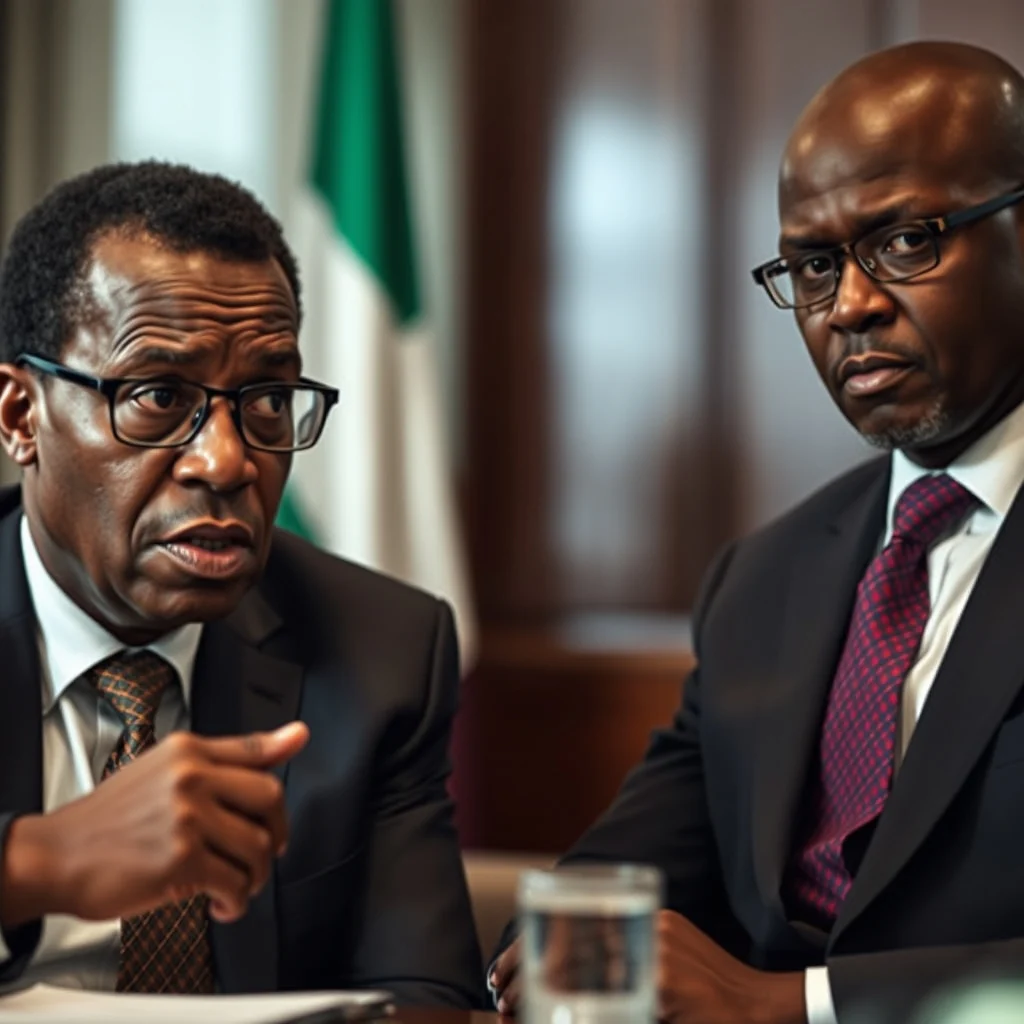
Nigeria has summoned South Africa’s acting High Commissioner to discuss a recent surge in attacks targeting foreigners, particularly Nigerian nationals, in South Africa. The meeting, scheduled for Monday, aims to formally express Nigeria’s profound concern over these incidents, which threaten to strain bilateral relations between the two African economic powerhouses.
Escalating Tensions and Targeted Violence
The Nigerian Ministry of Foreign Affairs stated that the summoned meeting will address recent anti-immigrant marches and documented mistreatment of Nigerian citizens, including attacks on their businesses. Local media reports indicate that at least two Nigerians and four Ethiopians have been killed in recent weeks, alongside attacks on citizens from other African nations.
Historical Context of Migration in South Africa
South Africa, as the continent’s most industrialized nation, has long been a destination for individuals seeking economic opportunities from across Africa. This migration has historically been a significant factor in the country’s labor market.
Presidential Condemnation and Caution
South African President Cyril Ramaphosa has publicly condemned the attacks. However, he also urged foreigners to respect local laws. During his Freedom Day address, commemorating South Africa’s first democratic elections, Ramaphosa reminded citizens of the crucial support provided by other African nations during the anti-apartheid struggle.
Underlying Grievances and Anti-Immigrant Sentiment
Despite presidential condemnations, a segment of the South African population voices grievances, accusing foreigners of illegal immigration, job displacement, and involvement in criminal activities, notably drug trafficking. Anti-immigrant groups have been observed confronting individuals, demanding identification papers, and have previously called for the closure of foreign-owned businesses to prevent potential violence, as seen during a march in Pretoria.
Experiences of Affected Nationals
One Nigerian man shared his distress with BBC Pidgin, stating, “It is not okay because we are blacks, we are brothers… everybody comes here just to survive.” A security guard, unable to work due to protests, expressed his disillusionment: “It’s not what we expected as fellow Africans.” He further questioned the safety within the continent, asking, “It’s just making us scared – imagine if we’re scared in our own African continent – what if we go to Europe?”
Precedent and Broader Regional Impact
This is not the first diplomatic action taken by an African nation concerning xenophobic incidents in South Africa. Last month, Ghana summoned South Africa’s top envoy following a widely shared video depicting a Ghanaian man being questioned about his immigration status. Concerns about perceived power grabs, such as the installation of a Nigerian community leader in a traditional role seen by some locals as a claim to political authority, have also fueled tensions earlier this year.
Migrant Demographics and Official Figures
Official figures indicate that South Africa hosts approximately 2.4 million migrants, representing slightly less than 4% of its population. However, it is widely believed that a substantial number of migrants reside in the country unofficially. The majority of migrants originate from neighboring countries like Lesotho, Zimbabwe, and Mozambique, historically reliant on South Africa for labor, with a smaller contingent from Nigeria.
Future Outlook and Regional Stability
The escalating xenophobic attacks and Nigeria’s diplomatic response highlight the fragility of intra-African relations and the persistent challenge of integrating migrant populations. Observers will be watching closely to see if South Africa implements more robust measures to protect foreign nationals and address the underlying socio-economic factors contributing to xenophobia, as well as Nigeria’s continued diplomatic engagement and the potential reaction from other affected African nations.







Leave a Reply