
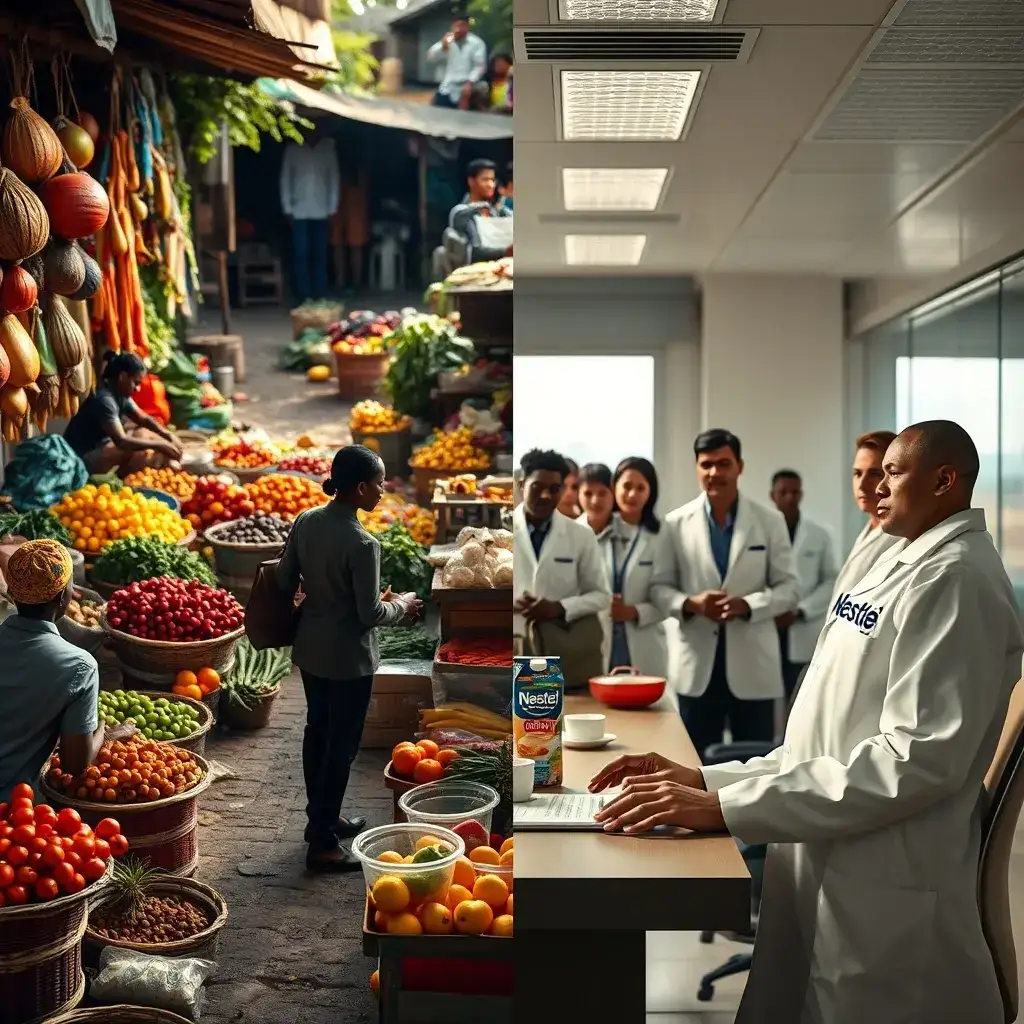
Ghana is confronting an escalating crisis of non-communicable diseases (NCDs), with these conditions now accounting for 45% of all deaths, according to recent health reports. Obesity and being overweight, significant risk factors for NCDs like hypertension, heart disease, and diabetes, are alarmingly prevalent, affecting nearly half of women aged 20-49 and two in ten men. Childhood obesity is also on the rise, posing a serious threat to the nation’s long-term health. These trends are exacerbated by structural factors, including aggressive marketing of sugary foods and the pervasive influence of large transnational food corporations (TNCs) that shape the food environment towards unhealthy products.
The Role of Big Food in Public Health Challenges
Big food TNCs significantly contribute to the NCD burden by promoting processed, energy-dense, and nutrient-poor products. Through extensive marketing, strategic pricing, policy influence, and partnerships with public institutions, these corporations normalize unhealthy diets, making them more accessible and desirable. Nestlé, as one of the world’s largest food and beverage companies, exemplifies this dynamic in Ghana, wielding considerable influence through its wide array of processed products, many high in sugar, salt, and unhealthy fats.
Examining Nestlé’s Engagements in Ghana
Nestlé has established partnerships across various sectors in Ghana, including academic institutions, regulatory agencies, community initiatives, and supply chain programs. While often presented as mutually beneficial collaborations, these engagements raise critical questions when viewed through the lens of commercial determinants of health. The core concern is whether companies contributing to poor diets can be trusted to shape public health solutions.
Academic Partnerships and Potential Conflicts of Interest
Collaborations between multinational food corporations and academic institutions are increasingly common in Ghana. Universities like the University of Ghana and Kwame Nkrumah University of Science and Technology have engaged with Nestlé Ghana, citing opportunities for students in nutrition, science, and technology. However, embedding companies linked to health-harming products within academic settings risks influencing research priorities and professional norms, potentially conflicting with the public health mandate.
Regulatory Partnerships and Institutional Independence
Partnerships between regulatory bodies and industry actors are particularly sensitive. In 2019, the Ghana Standards Authority partnered with Nestlé Ghana to enhance laboratory services and technical capacity. While intended to strengthen food safety systems, this close alignment between a regulator and a major food industry player can create real or perceived conflicts of interest. Maintaining regulatory independence is crucial in a context of rising NCDs, and such partnerships risk blurring the lines between oversight and collaboration without adequate safeguards and transparency.
Corporate Social Responsibility vs. Strategic Positioning
Nestlé’s community and humanitarian initiatives, such as its 2022 collaboration with the Ghana Red Cross Society to improve water access in cocoa-growing areas, provide tangible benefits. However, these initiatives also serve strategic purposes, enhancing corporate legitimacy and public image. Given concerns about labour practices in cocoa supply chains, including child labour, these efforts might function as reputational tools that divert attention from deeper structural issues.
Double Standards in Product Marketing
A significant concern is Nestlé’s marketing of infant foods. Analysis by Public Eye and IBFAN indicates that Nestlé products marketed in Africa and other low-income countries often contain added sugar (around 6g per serving on average), while equivalent products in Switzerland and key European markets are sugar-free. The World Health Organization recommends no added sugar in baby foods, as early sugar exposure can lead to lifelong preferences and increase obesity risk. This practice exemplifies how weaker regulatory environments in low- and middle-income countries can be exploited, embedding health risks from early life and highlighting global inequities in food governance.
Broader Implications for Public Health
These examples demonstrate how corporate actors embed themselves across research, regulation, and community engagement to shape health environments and narratives. Nestlé’s partnerships illustrate how industry can position itself as a public health stakeholder while simultaneously contributing to the NCD epidemic. While collaborations often offer resources or support, they can also grant legitimacy and influence that may shape health agendas in ways that undermine public health goals.
Navigating Industry Partnerships
The critical question is whether such partnerships should be dismissed or can be structured to genuinely serve public health. Industry partnerships can bring much-needed funding and expertise, but they carry inherent risks of influence and weakened accountability. The challenge lies not in labeling partnerships as good or bad, but in determining the conditions under which they can prioritize public health over corporate interests.
Lessons from Past Industries
Drawing lessons from the tobacco industry, which once positioned itself as a development partner while its products fueled disease, is crucial. Corporate partnerships can lend legitimacy and influence that mask the harms of core business practices. Nestlé’s engagements in Ghana echo this pattern, raising urgent questions about the true beneficiaries of these structures. Safeguarding Ghana’s health future requires robust conflict-of-interest safeguards, transparency, and rigorous scrutiny of food industry collaborations to ensure they strengthen health systems rather than entrench the very risks driving the NCD epidemic.










Leave a Reply