
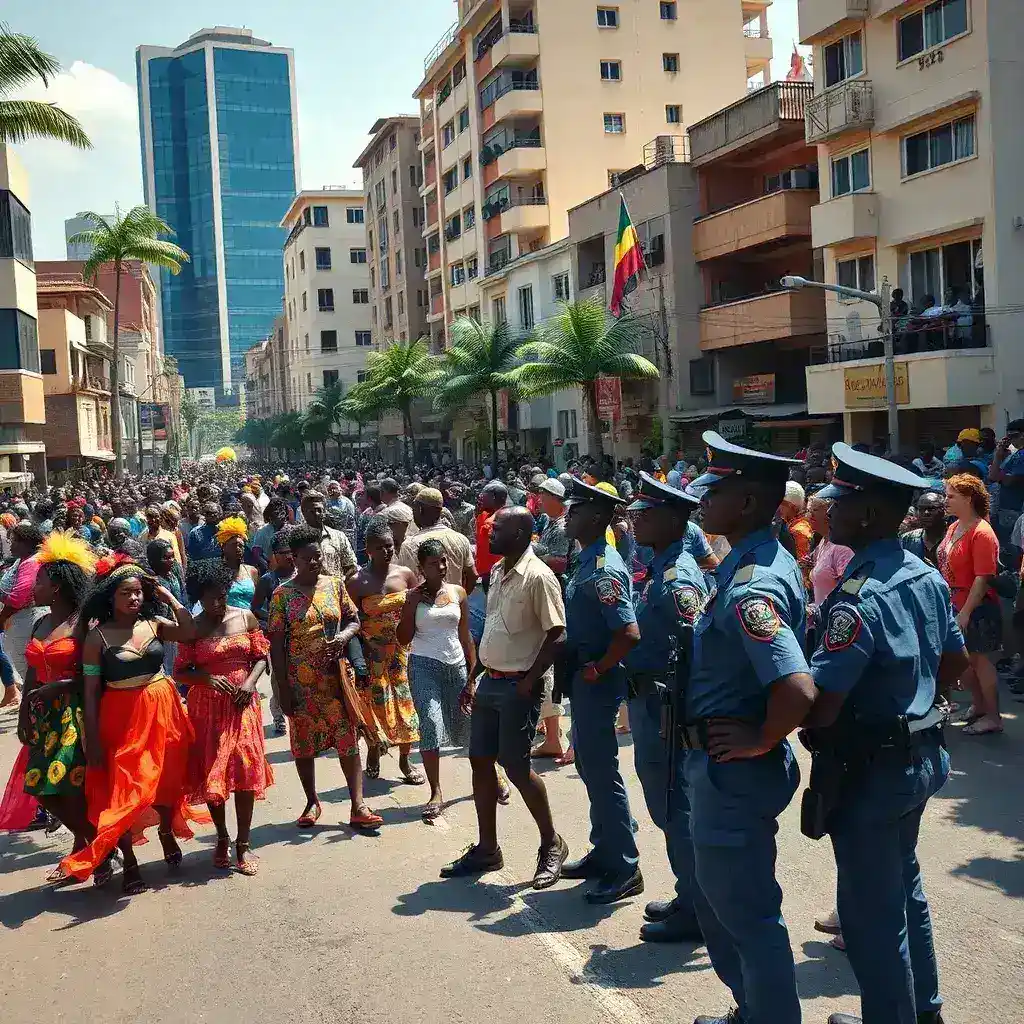
The Ministry of Tourism, Culture and Creative Arts has vehemently denied any approval or endorsement of the recent Karnival Kingdom Festival held in Accra, Ghana, between April 22 and 28, 2026. The Ministry stated on Thursday, May 7, 2026, that it received no proposals, requests, or official communication regarding the event’s organization, leaving it unaware of how the festival obtained permission to proceed.
Ministry Clarifies Stance on Festival
In a formal statement, the Ministry of Tourism clarified its non-involvement, emphasizing that it neither sanctioned nor authorized the staging of the Karnival Kingdom Festival. The statement, signed by sector Minister Abla Dzifa Gomashie, addressed widespread public concern and online discussions surrounding activities associated with the festival, particularly the circulation of what were described as culturally unacceptable materials on social media.
As the primary regulatory body for Ghana’s tourism, culture, and creative arts sector, the Ministry underscored the critical importance of adhering to established procedures and engaging with relevant institutions for the organization of public events.
Catholic Bishops Condemn ‘Public Nudity’
Adding to the controversy, the Ghana Catholic Bishops’ Conference issued a separate statement condemning what they termed “public nudity” at the festival. The bishops described these acts as a violation of Section 278 of the Criminal Offences Act, 1960 (Act 29).
“We, pastors of our land, unequivocally condemn the act of public nudity and call for immediate investigation into the role of state institutions, and the importation of foreign cultural practices,” the statement read, signed by Conference President Most Reverend Matthew Kwasi Gyamfi.
The Conference expressed significant concern regarding the reported presence of police protection for festival participants. This, they argued, raises serious questions about the level of official oversight and accountability during the event.
Call for Impartial Investigation and Review
The Catholic Bishops’ Conference has formally demanded a comprehensive and impartial investigation into the festival’s organization and conduct. They called for public disclosure of the investigation’s findings and a thorough review of permitting processes, with a specific emphasis on clear decency guidelines.
Furthermore, the bishops requested an inquiry into why police protection was allegedly provided for activities that contravened Ghanaian law. They also advocated for a national dialogue to establish clear boundaries for cultural expression in public spaces.
The Conference stressed that governance questions must be answered, including the identities of those who approved permits and deployed police personnel to protect participants engaged in acts deemed indecent.
“The conference is deeply concerned that state agencies responsible for protecting public order may have facilitated rather than prevented this misconduct,” the statement asserted.
While commending the Member of Parliament for Assin South, John Ntim Fordjour, for his call for accountability, the bishops urged all parties to allow investigative processes to proceed without political interference.
Cultural Exchange vs. Local Laws and Values
The Bishops’ Conference emphasized that all cultural programs, especially imported ones, require careful discernment and must align with Ghana’s established legal standards and societal values. They maintained that an imported event cannot claim exemption from Ghanaian law.
“An imported event could not claim exemption from Ghanaian law, and cultural exchange must respect the host nation’s laws and values,” the statement declared.
The provision of police protection for acts that allegedly breached the criminal code was highlighted as a serious failure of official duty, underscoring the urgent need for effective law enforcement.
In response to the public discourse, the Ministry of Tourism reaffirmed its dedication to promoting tourism and cultural activities that uphold national laws, respect Ghanaian values, preserve cultural identity, and maintain public decency.
Future Implications and What to Watch
This incident is likely to trigger a review of event permitting and regulatory oversight in Ghana. Stakeholders will be watching closely to see how effectively the Ministry of Tourism and other relevant bodies implement stricter guidelines and enforcement mechanisms. The demand for a national dialogue on cultural expression versus public decency suggests a potential for policy shifts. Furthermore, the Catholic Bishops’ Conference’s strong stance indicates a heightened vigilance from religious and cultural institutions regarding public events. The outcome of any official investigations could set precedents for future cultural festivals and the application of laws governing public conduct in Ghana, potentially impacting both local and international event organizers.










Leave a Reply