
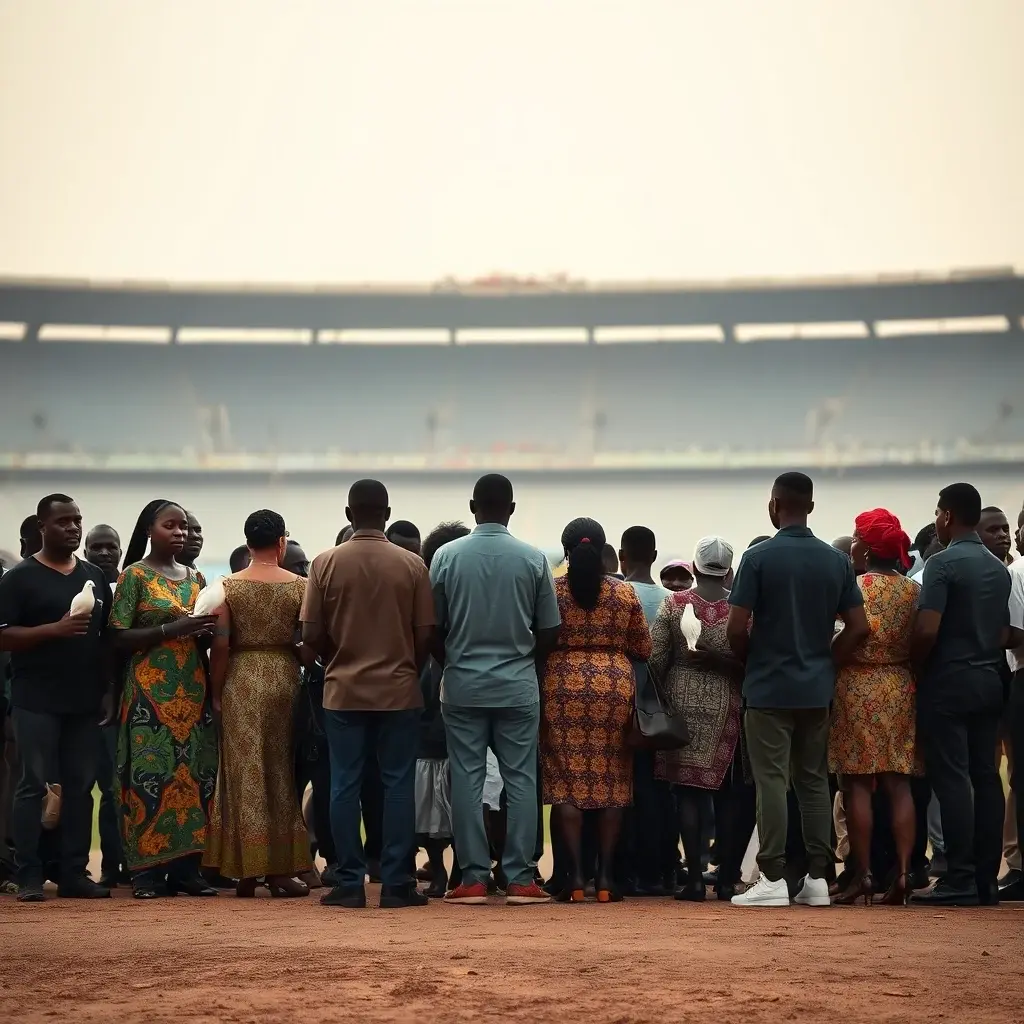
Accra, Ghana – May 9 marks a day of profound solemnity in Ghana, commemorating the 2001 Accra Sports Stadium disaster that tragically claimed 126 lives. As the nation’s vibrant entertainment industry flourishes, scheduling major events, such as national music award ceremonies, on this day presents a significant cultural and ethical dilemma, prompting debate on the appropriateness of celebrating achievements amidst national mourning.
The Weight of Remembrance
The primary argument against hosting celebratory events on May 9 centers on reverence for the victims and their families. For those directly affected, the date is not merely a historical marker but an annual reopening of deep emotional wounds.
A “Red Carpet” atmosphere, characterized by glamour and high-energy performances, is seen by many as fundamentally incompatible with the somber mood this day evokes. In Ghanaian culture, respect for the deceased and solidarity with the grieving are deeply ingrained values.
Some critics view holding entertainment events on this day as a “commercialization of amnesia,” suggesting that the pursuit of celebration overshadows the nation’s duty to remember and learn from the tragedy.
Can Art and Remembrance Coexist?
Conversely, proponents argue that showcasing the nation’s vibrancy, particularly through its universal language of healing – music – can serve as a powerful tribute to those lost. This perspective suggests that a national awards platform could amplify a crucial “Never Again” message.
Integrating solemn tributes, documentary segments, or safety awareness messages into such ceremonies could engage younger generations who may not fully grasp the gravity of the 2001 disaster. In this view, the event becomes a bridge, carrying vital lessons from the past into contemporary cultural expressions.
Frank Appiah Kusi, PhD, a Lecturer in Sport Management and Marketing at the University of Health and Allied Sciences, Ho, notes that the debate highlights a tension between professional industry demands and cultural sensitivities.
Public Sentiment and Institutional Accountability
Ultimately, the perception of fairness regarding event scheduling on May 9 rests on the nation’s social contract. The date has become a symbol for stadium safety and institutional accountability in Ghana.
Holding a national celebration on this day risks signaling that the nation has prematurely “moved on” before the lessons of the tragedy have been fully internalized and institutionalized. While the music industry may operate on specific logistical timelines, the cultural significance of the May 9 disaster suggests that some silences are too profound to be filled with music.
Navigating this dilemma requires more than a simple tribute; it demands a deep and visible commitment to ensuring the lessons of the tragedy remain at the forefront of the national consciousness. While not illegal, scheduling a celebration on May 9 is culturally fraught, creating a complex situation for individuals who follow both sports and entertainment.
Looking Ahead
The ongoing discussion underscores the need for greater dialogue between event organizers, cultural stakeholders, and the public to find a balance that respects the memory of the 126 lives lost while acknowledging Ghana’s progress and cultural dynamism. Future decisions will likely hinge on the ability to integrate remembrance meaningfully into public events, ensuring that celebrations do not inadvertently diminish the importance of solemn commemoration.










Leave a Reply