
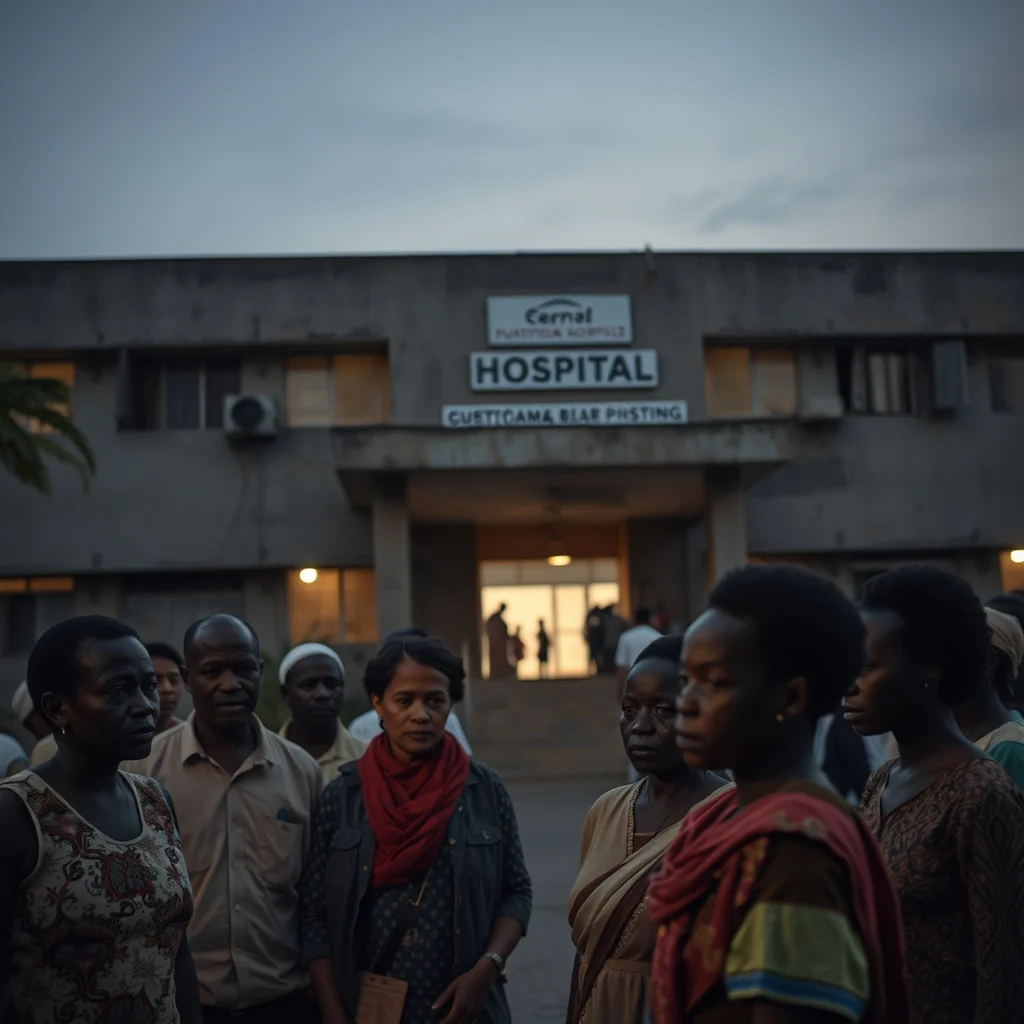
International corporate lawyer and entrepreneur Vicky Bright has stated that the circumstances surrounding the death of Charles Amissah should deeply concern every Ghanaian, highlighting it as a significant failure within the nation’s healthcare system. Speaking on the Newsfile programme on Saturday, May 9, Bright emphasized that the official investigative report’s findings reveal a critical situation that could impact anyone requiring emergency medical attention.
Systemic Failures Exposed
The official investigative report into the death of 29-year-old engineer Charles Amissah concluded that his demise was not a result of the initial accident trauma. Instead, the committee found that Amissah died due to delayed emergency care and what was described as medical neglect.
According to the report, Amissah remained alive and potentially treatable through several referrals between major health facilities. Tragically, he eventually passed away without receiving the necessary medical intervention.
“No-Bed Syndrome” Reignited
This case has once again ignited public debate surrounding Ghana’s persistent “no-bed syndrome.” This phenomenon refers to the frequent inability of hospitals to admit patients, particularly in emergency situations, due to a lack of available beds.
The findings have intensified scrutiny of emergency healthcare delivery across the country. The report points to broader systemic shortcomings rather than an isolated incident, underscoring the urgency of national attention.
Wider Concerns and Calls for Reform
Beyond the “no-bed syndrome,” the Amissah case has triggered wider concerns about emergency preparedness within healthcare facilities. It has also raised questions about professional responsibility and coordination failures among medical staff and institutions.
Vicky Bright remarked, “As for me, this case should disturb every Ghanaian because no one can know when we will also be needing this help and it won’t. As it has been described as avoidable, which means it wasn’t a natural death and it is a failure that we should all be concerned about.”
Many observers are now calling for immediate reforms to prevent similar tragedies in the future. The report’s conclusions suggest that the issues demand urgent national attention to ensure that all citizens receive timely and adequate emergency medical care.
Implications for the Future
The implications of Charles Amissah’s death and the subsequent report are significant for Ghana’s healthcare sector. It highlights the critical need for improved infrastructure, better patient referral systems, and enhanced emergency response protocols.
Moving forward, the focus will likely be on implementing tangible solutions to address the systemic issues identified. Citizens and healthcare advocates will be watching closely to see if the government and health authorities take decisive action to reform emergency care and prevent future avoidable deaths. The transparency of the investigation and the public outcry signal a potential turning point for healthcare accountability in Ghana.










Leave a Reply