
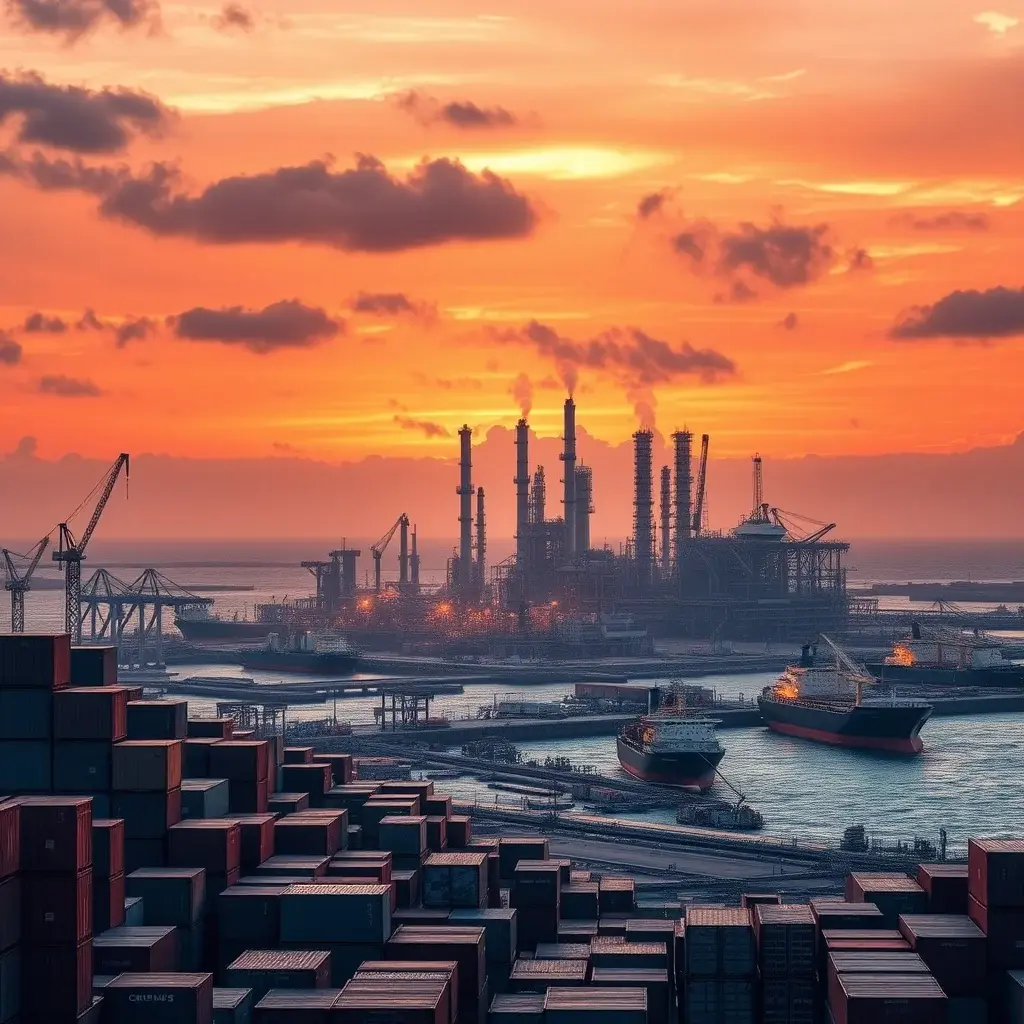
Nigerian billionaire Aliko Dangote is reportedly considering Kenya’s port city of Mombasa as the prime location for a colossal 650,000-barrel-a-day oil refinery intended for East Africa. The Financial Times reported Sunday, citing an interview with Dangote, that he is leaning towards Mombasa due to its superior port infrastructure.
This potential investment follows recent discussions among East African nations about establishing a joint oil refinery, a plan that was initially modeled on Dangote’s existing Nigerian operation and eyed the Tanzanian port of Tanga. However, Dangote expressed a preference for Kenya, citing its larger economy and higher consumption rates in comparison to Tanzania.
The decision now rests significantly with Kenyan President William Ruto, as Dangote stated his commitment to proceeding based on the President’s direction. The estimated cost for constructing such a refinery is substantial, projected to be between $15 billion and $17 billion.
Regional Dependence on Imported Refined Products
East Africa currently relies entirely on imported refined petroleum products, a situation that leaves the region vulnerable. The primary source of these imports is the Middle East, making the region susceptible to supply chain disruptions and price volatility, as evidenced by recent global events.
The establishment of a large-scale refinery within the region could significantly alter this dynamic, offering greater energy security and potentially stabilizing fuel prices for millions of consumers and businesses across East Africa.
Dangote’s Vision for East African Energy Infrastructure
Aliko Dangote, Africa’s wealthiest individual, had previously expressed his readiness to replicate his successful 650,000-barrel-a-day refinery in Nigeria within East Africa. This ambition was contingent on the commitment and support of regional governments to facilitate such a large-scale infrastructure project.
His comments at an infrastructure summit in Nairobi last month signaled a strong interest in developing a similar facility to serve the growing energy demands of East African economies. The potential for a refinery of this magnitude represents a significant opportunity for economic development, job creation, and industrial advancement in the region.
Economic and Strategic Considerations
Dangote’s comparative analysis of Mombasa and Tanga highlights key economic factors influencing his decision. Kenya’s larger market size and higher consumption levels present a more compelling business case for a refinery of this scale.
The deeper port facilities in Mombasa are also a critical logistical advantage, enabling the efficient handling of crude oil imports and the export of refined products. This strategic location could position Kenya as a central hub for refined fuels within East Africa and potentially beyond.
Implications for Kenya and East Africa
Should Dangote proceed with the Mombasa refinery, the implications for Kenya and the broader East African region would be profound. It could lead to a significant reduction in the import bill for refined petroleum products, improving the trade balance and conserving foreign exchange reserves.
Furthermore, the project would stimulate local economies through construction, operation, and associated industries, creating thousands of direct and indirect jobs. The long-term impact on energy security and price stability could foster greater economic predictability and growth across East Africa.
What to Watch Next
The immediate focus will be on the response from President William Ruto and the Kenyan government. Their commitment to supporting the project, including potential regulatory frameworks and incentives, will be crucial in determining whether Mombasa becomes the chosen site.
Discussions regarding the specifics of the joint refinery initiative with Tanzania and other East African nations will also be closely monitored. The outcome of these negotiations and Dangote’s final decision will shape the future energy landscape of East Africa for decades to come.










Leave a Reply