
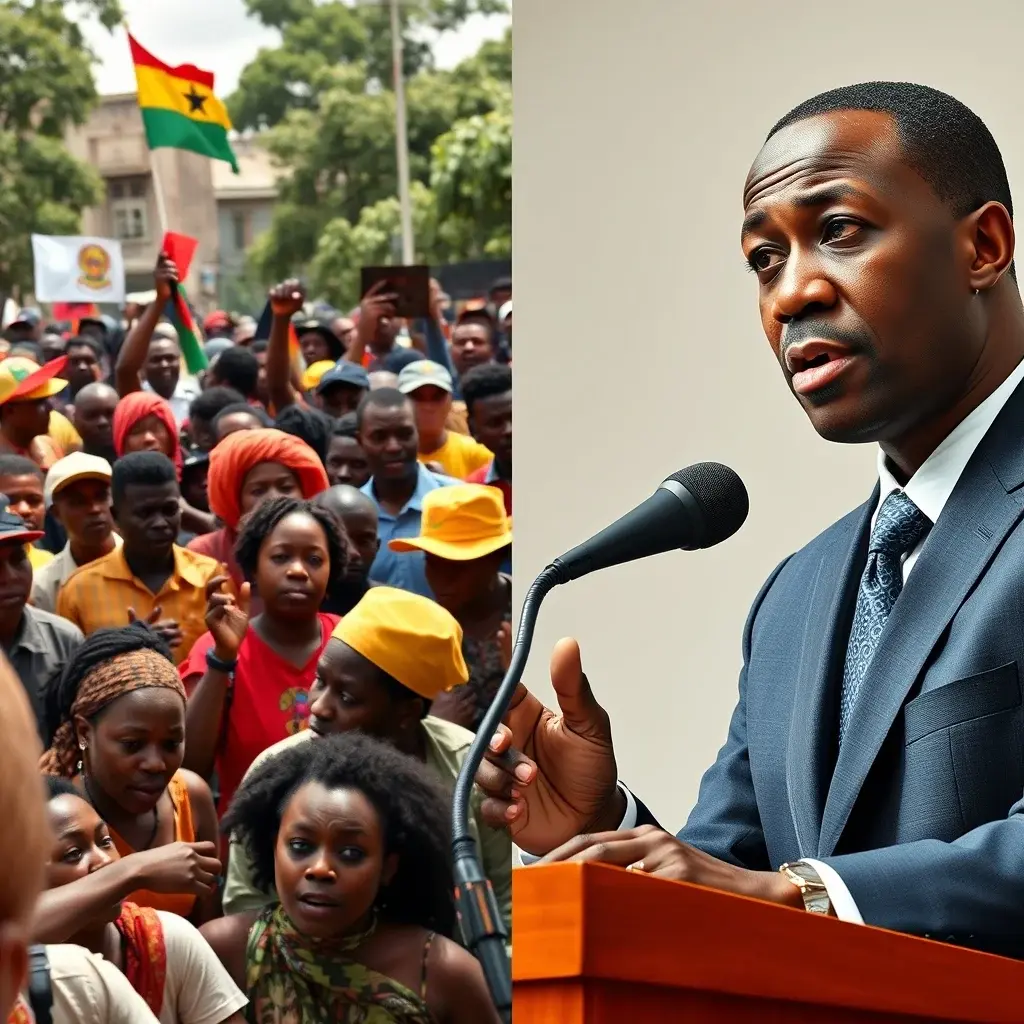
Accra, Ghana – May 12, 2024 – Mustapha Gbande, Deputy General Secretary of the National Democratic Congress (NDC), asserted on Tuesday that no Ghanaian has been arrested for merely expressing their views, while simultaneously warning that unlawful comments threatening national stability will not be tolerated.
Free Speech vs. Unlawful Speech
Gbande clarified that freedom of expression remains robust under the current administration led by President John Dramani Mahama. He distinguished between exercising one’s right to speak freely and making statements that cross the line into illegality or incitement.
“Nobody has been arrested for speaking his mind. If you go and say foolish things, foolish things are not to be tolerated. It’s different from speaking your mind,” Gbande stated during an appearance on Channel One TV.
Legal Framework and National Stability
The NDC official emphasized that individuals whose pronouncements undermine public order or violate existing laws must be prepared to face legal consequences. He stressed that these legal provisions are not new to Ghana’s justice system but are part of a long-standing legal framework.
Gbande further argued that statements capable of destabilizing the country cannot be disregarded. “You have to face the law” if such conduct breaches national laws, he insisted.
Perceived Democratic Improvement
The Deputy General Secretary also highlighted what he described as an enhanced democratic environment under President Mahama’s leadership. He suggested that citizens feel more empowered to voice criticisms of authority and express dissenting opinions without fear of intimidation.
Implications for Public Discourse
Gbande’s remarks signal a government stance that seeks to balance the protection of free speech with the imperative of maintaining national security and public order. This approach suggests that while open criticism is encouraged, actions that could incite violence or disrupt stability will be subject to legal scrutiny.
The distinction drawn between legitimate expression and unlawful commentary could set a precedent for how public statements are evaluated. It implies that the government will monitor discourse for content that poses a tangible threat, rather than simply punishing dissent.
Moving forward, it will be crucial to observe how this policy is implemented in practice. The specifics of what constitutes an “unlawful comment” or speech that “threatens national stability” will likely be a focal point for civil society and legal observers in Ghana.








Leave a Reply