
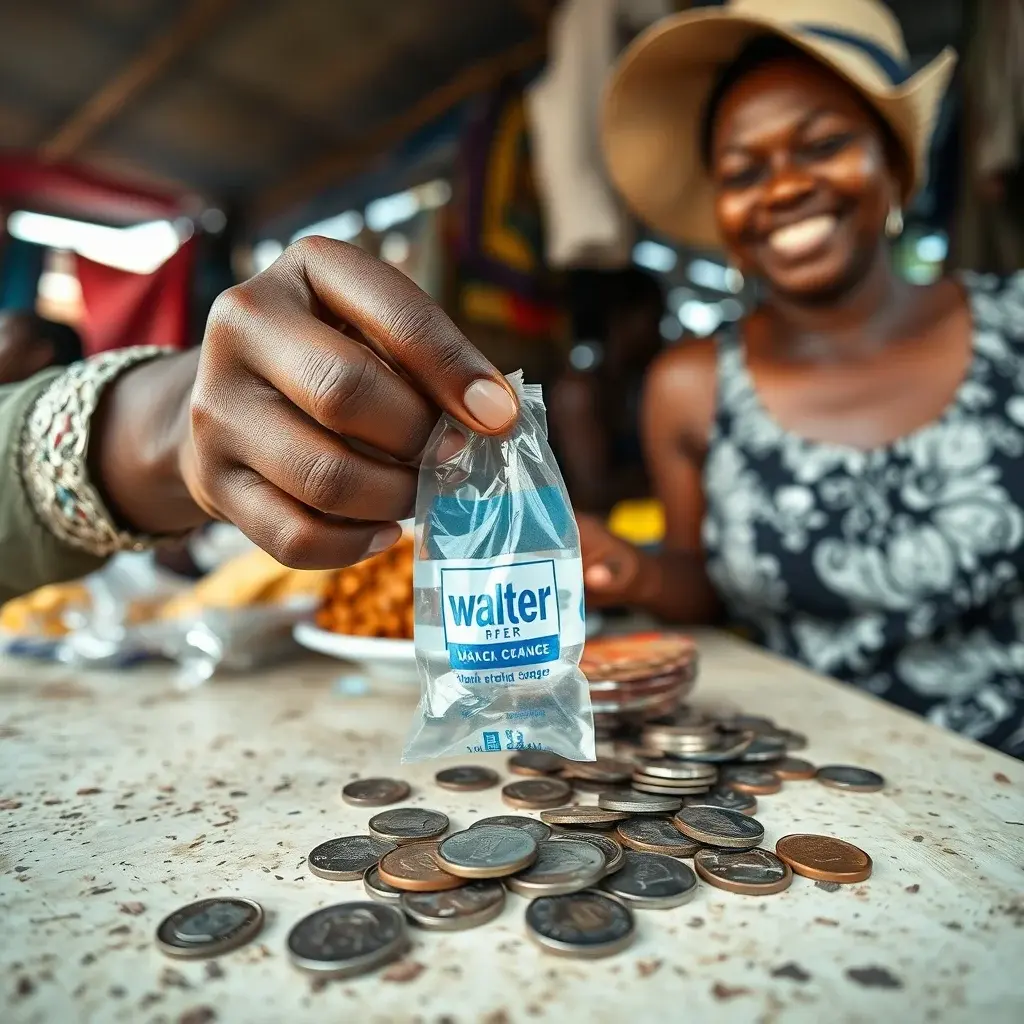
Accra, Ghana – A significant portion of Ghana’s population is experiencing increasing difficulties in daily commercial transactions due to the widespread rejection of 10 pesewa and 20 pesewa coins. This trend, observed among commercial drivers’ mates, traders, provision shop operators, and pure water sellers, is raising concerns about the accessibility of change and potentially impacting prices, prompting calls for urgent intervention from the Bank of Ghana and other state institutions. The issue has become particularly pronounced following recent price adjustments in essential goods.
Despite remaining legal tender, the 10 and 20 pesewa coins are becoming increasingly scarce in everyday commerce. This scarcity forces consumers into difficult situations when making purchases, especially for items priced just above existing common change denominations. The problem is exacerbated by the fact that these coins are fundamental for providing correct change in many transactions.
The situation has been amplified by recent increases in the wholesale prices of sachet water, commonly known as ‘pure water’. Depending on the brand, wholesale prices have reportedly risen to between GH¢8, 12, and GH¢14 per bag. This has led some retailers to adjust the selling price of a single sachet from the previous 50 pesewas to 60 pesewas.
While some sellers continue to honor the 50 pesewas price point, many consumers are now struggling to receive accurate change. When purchasing a 60 pesewa sachet of water with a GH¢1 coin, buyers are entitled to 40 pesewas in change. However, several sellers are demanding 10 pesewa coins from customers to complete the transaction. This creates a dilemma when buyers do not possess the necessary smaller denominations.
In instances where customers cannot provide the exact change or the required smaller coins for balance, the remaining change is sometimes withheld. This is especially prevalent in busy traffic situations where transactions must be completed quickly to keep vehicles moving. The loss of these small amounts, accumulated over multiple transactions, can represent a notable financial burden for ordinary citizens.
There is a growing fear among Ghanaians that if this trend continues unchecked, it could pave the way for further price increases. The previous inflationary pressures that led to price adjustments in sachet water were partly influenced by similar difficulties in managing change. The current situation risks repeating this cycle, potentially pushing the price of a sachet of water to GH¢1.
Beyond the direct inconvenience to consumers, the systematic rejection of legal tender undermines public confidence in Ghana’s monetary system. It suggests a breakdown in the established mechanisms for currency circulation and acceptance. This erosion of trust can have broader implications for economic stability.
To address this, the Bank of Ghana is urged to intensify efforts to ensure the widespread circulation of 10 pesewa and 20 pesewa coins. Concurrently, public education campaigns are needed to remind both citizens and businesses that all Ghana cedi denominations approved by law remain valid for all transactions. Reinforcing the legal status of these coins is crucial.
The Ministry of Trade, Agribusiness and Industry, in collaboration with consumer protection agencies, also has a role to play. These bodies must support initiatives aimed at ensuring compliance among traders and commercial transport operators. Active enforcement and monitoring could help curb the informal rejection of these denominations.
Addressing national economic issues like currency circulation requires a collective, non-partisan approach. The concerns of ordinary citizens regarding price increases and the availability of legal tender deserve serious national attention, irrespective of political affiliations. Finding practical solutions benefits the entire economy.
Looking ahead, the effectiveness of the Bank of Ghana’s strategies to reintroduce and encourage the use of lower denomination coins will be critical. Consumer behavior, influenced by habit and perceived convenience, will also play a significant role. Observers will be watching to see if public education campaigns can shift practices and if regulatory measures can ensure the consistent acceptance of all legal tender, thereby preventing further erosion of purchasing power for the average Ghanaian.








Leave a Reply