
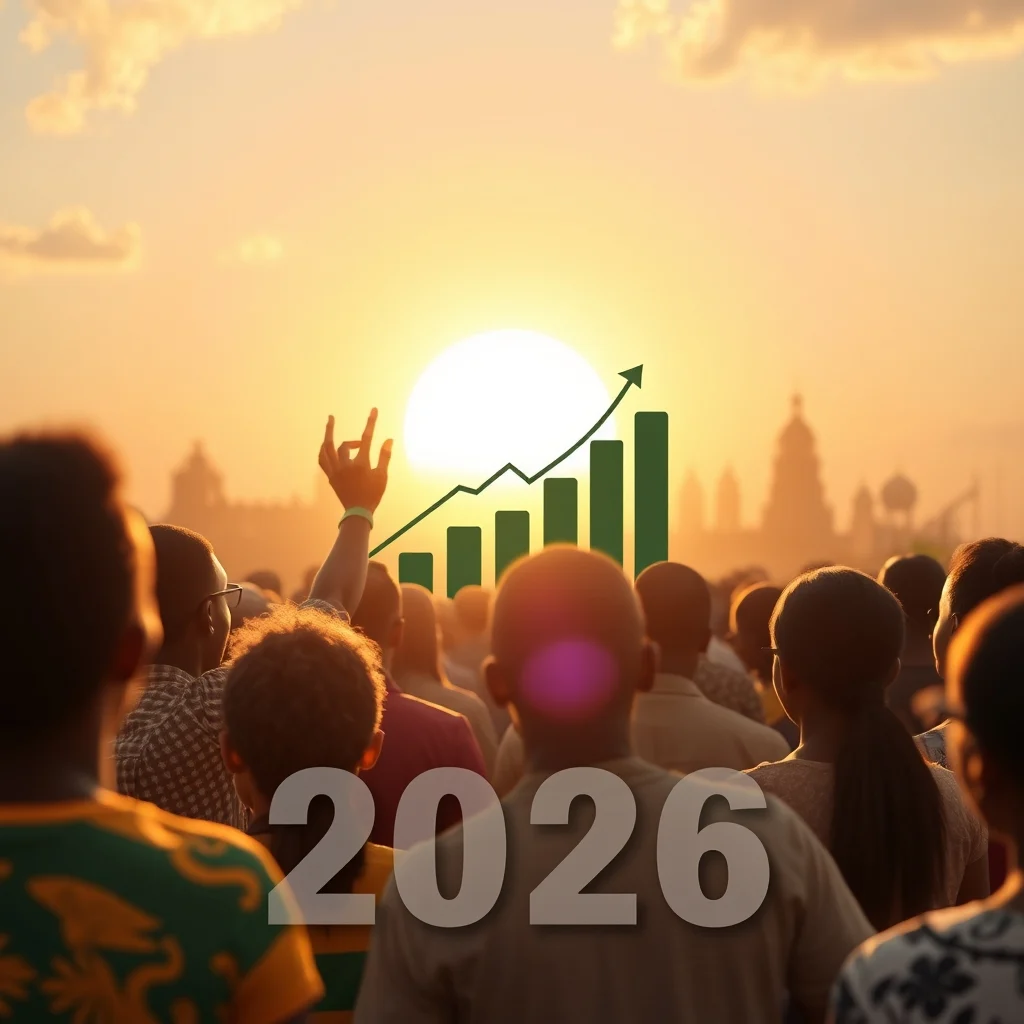
Ghana officially announced on Friday, May 15, 2026, the successful completion of its Extended Credit Facility (ECF) program with the International Monetary Fund (IMF), signaling an end to the nation’s financial bailout relationship with the global lender. The government, in a statement released by Presidential Spokesperson Felix Kwakye Ofosu, declared the conclusion as a restoration of macroeconomic stability and debt sustainability ahead of schedule.
Context: A Nation’s Economic Struggle
The administration of President John Dramani Mahama implemented decisive measures in 2025 to steer the IMF program back on track after it reportedly deviated from its goals at the close of 2024. This intervention came after a period of significant economic hardship for Ghana, described by officials as among the most severe since the structural adjustment era of the 1980s.
The Depth of the Crisis
Dr. Theo Acheampong, Technical Advisor at the Ministry of Finance, highlighted the gravity of the situation in a recent media appearance. He stated that economic assessments indicated the recent crisis rivaled, and possibly exceeded, the hardships endured during the mid-1980s IMF-led reforms. This period was characterized by soaring inflation, escalating debt, a depreciating currency, and widespread liquidity challenges impacting both government functions and private sector operations.
The economic difficulties ultimately necessitated Ghana’s engagement with the IMF under the ECF arrangement. The program aimed to stabilize the economy and rebuild crucial investor confidence.
Underlying Causes and Historical Patterns
While acknowledging the role of external shocks in triggering economic downturns, Dr. Acheampong pointed to persistent weak domestic economic management and limited fiscal resilience as key factors exacerbating Ghana’s recurring dependence on IMF assistance. He noted a discernible pattern in Ghana’s history of IMF programs, dating back to 1965.








Leave a Reply