
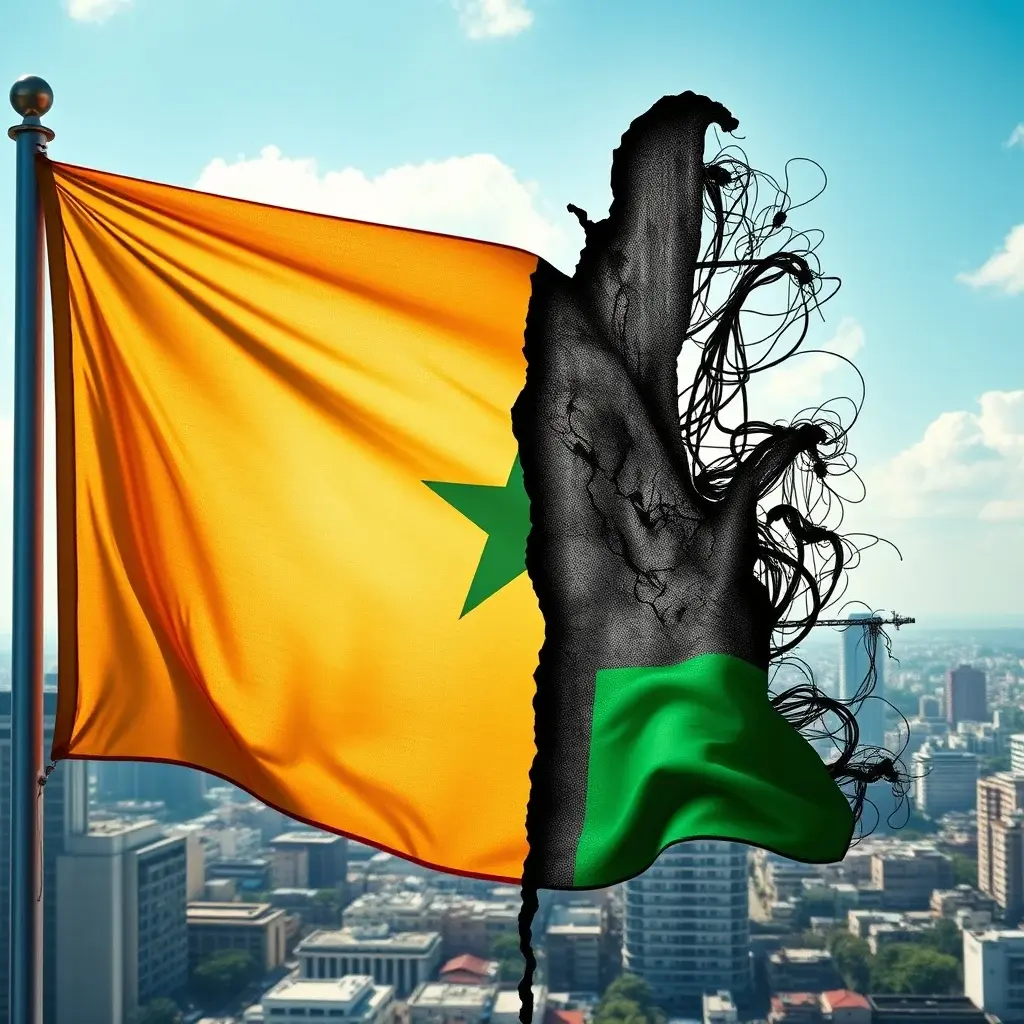
Accra, Ghana – May 16, 2024 – Senior Vice President of IMANI Africa, Kofi Bentil, has urged caution against premature celebration following Ghana’s announcement of effectively completing its three-year, US$3 billion International Monetary Fund (IMF) loan-supported programme. While acknowledging improvements in key macroeconomic indicators, Bentil argues that the nation has achieved economic stability but has failed to implement the necessary structural reforms to prevent a recurrence of past crises.
Context of the IMF Program
Ghana entered the IMF programme in 2023 amidst a severe economic downturn, characterized by high inflation, a depreciating currency, and depleted foreign exchange reserves. The US$3 billion Extended Credit Facility (ECF) was designed to help restore macroeconomic stability, ensure debt sustainability, and promote inclusive growth.
The programme involved a series of policy measures aimed at fiscal consolidation, monetary tightening, and structural reforms. These included efforts to improve public financial management, enhance revenue mobilization, and strengthen the financial sector.
Stability vs. Structural Reform
Speaking on JoyNews’ Newsfile on Saturday, May 16, Mr. Bentil conceded that Ghana has seen positive developments since the program’s inception. International reserves have increased, import cover has improved, and the Ghanaian cedi has shown relative strength against the US dollar.
However, Bentil stressed that these are indicators of stabilization, not a fundamental economic transformation. “We’ve stabilised the economy, but we have not restructured it,” he stated. He likened the situation to someone cutting down on sugar intake but remaining addicted, suggesting that the underlying issues remain unresolved.
“Restructuring means moving away from the very things that put you in that situation in the first place. That is what we have not done yet—we have only stabilised,” Bentil explained. He questioned the nation’s resilience, asking if it could withstand future economic shocks.
Recurring Economic Cycles
Bentil’s concerns are rooted in Ghana’s history of repeatedly seeking IMF assistance. He described this pattern as evidence of persistent structural problems in economic management, rather than isolated fiscal crises.
“This is a familiar cycle—we’ve been here before,” he warned, emphasizing that stability achieved through strict external supervision is often temporary and may not endure once the program concludes.
He pointed to long-standing issues such as a lack of fiscal discipline, inefficient government spending, and policy inconsistency as the primary drivers of Ghana’s recurring economic challenges. These deep-seated problems, he argued, continue to resurface after each adjustment program.
Expert Perspectives and Data
While Bentil expresses caution, other analyses of Ghana’s economic performance under the IMF program highlight significant progress. Data from the Bank of Ghana indicates a steady increase in gross international reserves throughout 2023 and into early 2024. Similarly, the exchange rate has shown a marked improvement, with the cedi stabilizing against major trading currencies.
The IMF’s own assessments have acknowledged Ghana’s commitment to its reform agenda. However, these reports also typically include recommendations for sustained policy implementation and further structural reforms to solidify gains and build long-term resilience. For instance, the IMF’s recent staff report on Ghana highlighted the need for continued efforts in revenue mobilization and expenditure control.
Implications for Ghana and Beyond
The divergence in perspectives underscores a critical debate within Ghana’s economic discourse: whether superficial stability is sufficient or if deeper, more challenging structural changes are imperative. If Bentil’s concerns are valid, Ghana risks entering another cycle of economic vulnerability once the immediate support and oversight from the IMF diminish.
This situation has broader implications for emerging economies relying on IMF programs. It raises questions about the long-term effectiveness of such interventions if they do not adequately address the root causes of economic instability, particularly concerning governance and fiscal discipline.
Looking Ahead
The key question moving forward is whether Ghana’s government will prioritize and implement the deeper structural reforms necessary for sustainable economic transformation. Observers will be closely watching the government’s fiscal policies, its commitment to improving efficiency in public spending, and its ability to maintain policy consistency in the absence of direct IMF oversight. The success of Ghana’s economic future may depend less on the completion of external programs and more on its internal capacity for genuine economic restructuring.







Leave a Reply