
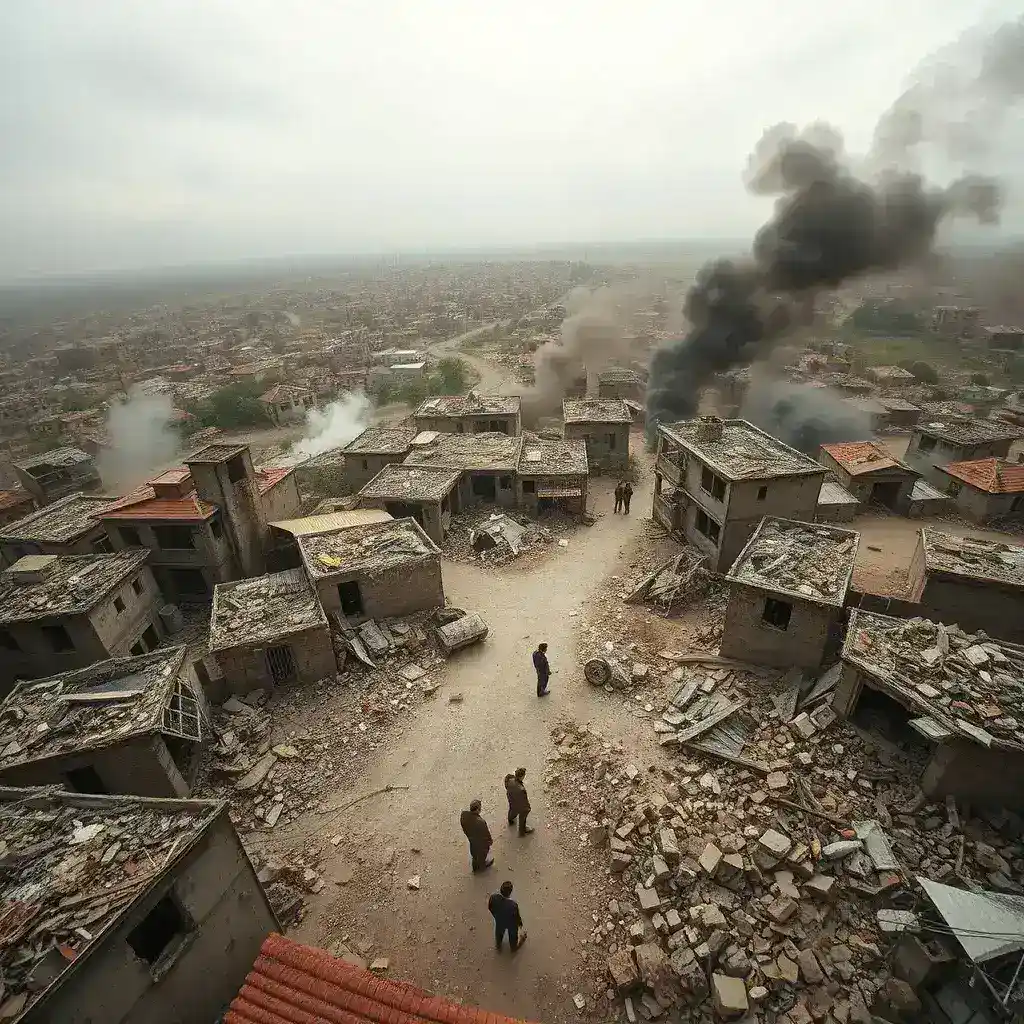
Lebanon’s Ministry of Health reported on Monday that the death toll from Israeli strikes has exceeded 3,020 since the conflict with Hezbollah escalated in early March. This grim milestone highlights the persistent violence despite a fragile ceasefire agreement aimed at de-escalating tensions between the two entities.
Escalation and Initial Triggers
Lebanon was drawn into the broader regional conflict on March 2nd. The Iran-backed group Hezbollah initiated rocket attacks into Israel following an Israeli strike that resulted in the death of Iran’s Supreme Leader. This action marked a significant escalation, drawing Lebanon directly into the ongoing hostilities.
Fragile Ceasefire and Continued Violations
Despite an agreement on a fragile ceasefire that came into effect on April 17th, the violence has continued unabated. Lebanon’s health ministry stated that over 400 deaths have occurred since the ceasefire began, indicating repeated violations by both sides. The truce deal, brokered by the United States, permits Israel to conduct strikes it deems necessary to counter Hezbollah’s military activities.
Lebanon has officially condemned these strikes, arguing they undermine national efforts to assert state control over all armed groups and their weaponry. The continued Israeli military actions, particularly in southern Lebanon and the Bekaa Valley, have resulted in dozens of fatalities even after the ceasefire extension was announced.
Recent Incidents and Military Activity
On Saturday, a series of extensive strikes targeted over two dozen villages across southern Lebanon. Notably, only nine of these locations received prior evacuation warnings, raising concerns about civilian safety. In response, Hezbollah announced its fighters had launched a “swarm of attack drones” targeting the Yaara barracks in northern Israel.
Hezbollah also claimed responsibility for several other operations against Israeli troops operating in southern Lebanon. The Israeli military confirmed on Saturday that one soldier had been killed during these clashes, bringing their total losses since early March to 20. Four Israeli civilians have also died in the conflict.
Territorial Occupation and Wider Conflict Dynamics
Israeli ground forces maintain their occupation of a territory extending approximately 10 kilometers from the Lebanese border. This strip of land was seized during the conflict’s escalation. The ongoing military engagements and significant civilian casualties underscore the deep-seated nature of the conflict and its devastating impact on the region.
Implications and Future Outlook
The persistent high death toll, even after a ceasefire agreement, signals a challenging path toward lasting peace. The ongoing violations and continued military actions by both Hezbollah and Israel suggest that the underlying issues fueling the conflict remain unresolved. The international community’s efforts to broker a stable truce face significant hurdles as both sides appear committed to continued military engagement.
The coming weeks will be critical in determining whether the extended ceasefire can be upheld or if further escalation is inevitable. International pressure and diplomatic engagement will likely intensify as the humanitarian cost continues to rise. Observers will be closely monitoring any shifts in military strategy or renewed diplomatic initiatives that could alter the trajectory of this volatile situation.









Leave a Reply