
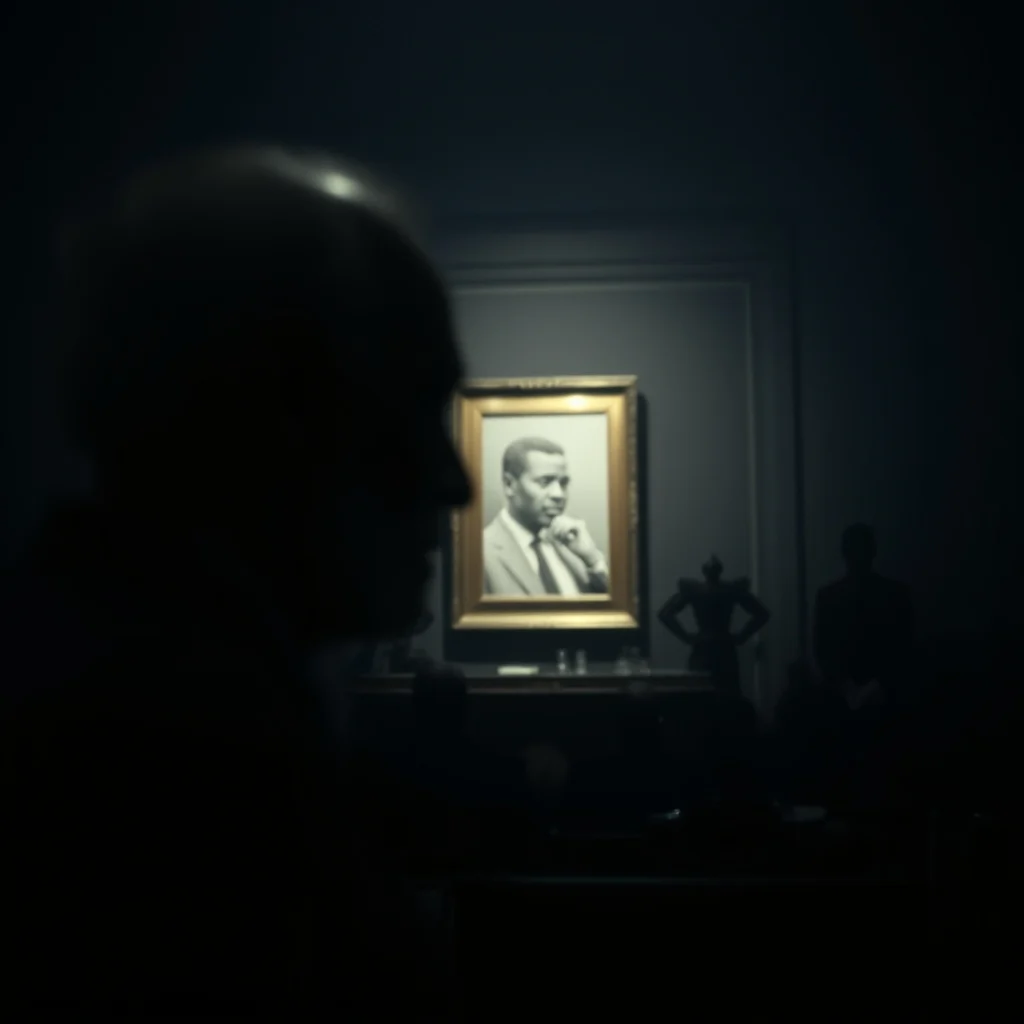
Etienne Davignon, a 93-year-old Belgian former diplomat and industrialist, died on Monday before he could face trial for alleged involvement in the 1961 assassination of Congolese independence leader Patrice Lumumba. Davignon was the first and only person charged in the case, which aimed to shed light on one of the 20th century’s most significant political killings.
Context of a Colonial Tragedy
Patrice Lumumba, the first prime minister of the Congo upon its independence from Belgium in 1960, was ousted from power months later. He was subsequently killed by Belgian-backed secessionist rebels on January 16, 1961. This event remains a deeply controversial and dark chapter in Belgium’s colonial past and a pivotal moment in the broader struggle for African liberation.
The Charges Against Davignon
Prosecutors had accused Davignon, who was a junior diplomat at the time of Lumumba’s death, of participating in the unlawful detention and transfer of Lumumba. He was also alleged to have deprived Lumumba of his right to an impartial trial. The charges extended to accusations of involvement in the murders of two of Lumumba’s political allies, Maurice Mpolo and Joseph Okito.
Davignon consistently denied any wrongdoing throughout the investigation. At the time of his death, he was awaiting the outcome of an appeal against the court’s decision to send him to trial. He was the last individual being investigated in a case that was initiated nearly 15 years ago.
Family’s Pursuit of Justice
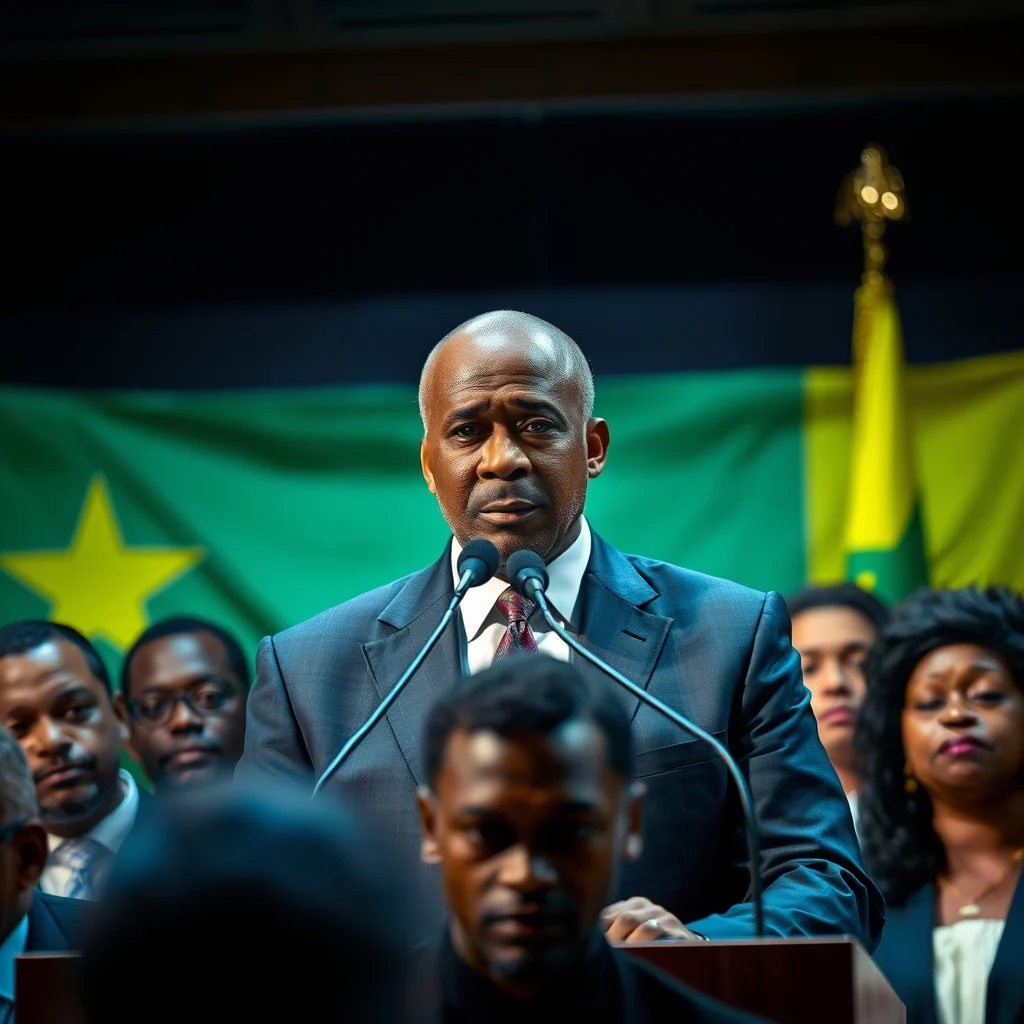
The Lumumba family, through their attorneys, stated that the prosecutor and tribunal’s decision to pursue a trial was now a matter of historical record. They emphasized that the death of the last living accused does not close the historical account. The family’s legal representatives indicated they were preparing further legal actions, including a civil complaint against the Belgian state.
Previous legal proceedings saw cases against other suspects closed upon their deaths. The court had previously ruled that such cases would not continue if the accused were no longer alive, making Davignon’s potential trial a unique and final attempt to establish accountability.
Davignon’s Prominent Career
Beyond his early diplomatic role in Congo, Etienne Davignon built a distinguished career within the Belgian establishment. He served as cabinet chief to Prime Minister Paul-Henri Spaak in the late 1960s and later as a European commissioner from 1977 to 1985. His influence extended into the corporate world, holding numerous board positions at both Belgian and international companies.
Implications and Future Watch
Davignon’s death before facing trial means that a definitive judicial reckoning for his alleged role in Lumumba’s assassination will not occur. However, the Lumumba family’s commitment to pursuing civil action against the Belgian state signals that the quest for historical truth and accountability may continue through other legal avenues. The ongoing pursuit of justice by the Lumumba family highlights the enduring impact of colonial-era actions and the persistent demand for transparency and recognition of past wrongs.
The case’s progression, despite Davignon’s death, underscores the increasing pressure on nations to confront and address historical injustices. What remains to be seen is whether the Belgian state will engage further with the Lumumba family’s claims and what form any future legal or diplomatic engagements might take.







Leave a Reply