
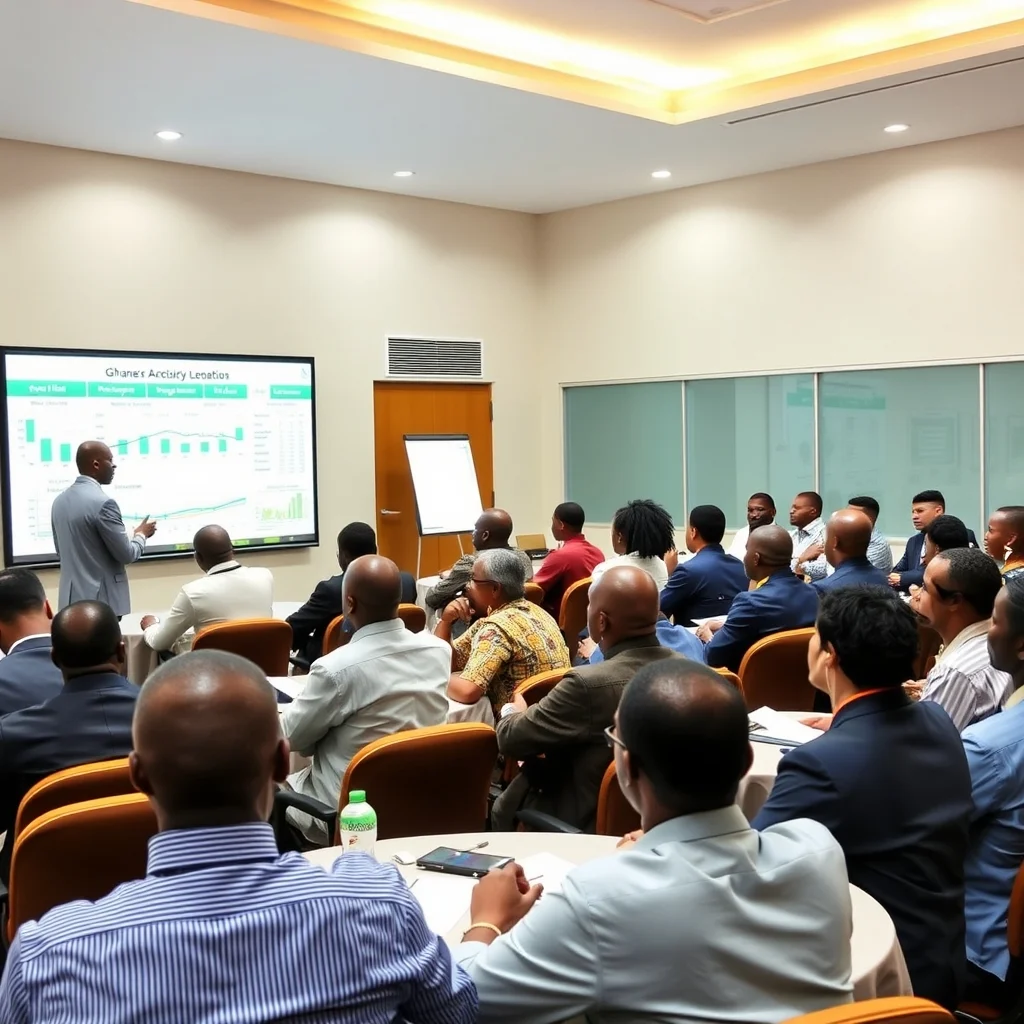
Accra, Ghana – The Ghana Private Sector Competitiveness Programme Phase II (GPSCP II) has pledged significant support to the Tree Crops Development Authority (TCDA) to bolster regulation and investment within Ghana’s vital tree crop sector. This commitment, formalized during a nationwide staff training program for TCDA personnel, aims to enhance production, attract investment, and increase the sector’s economic contribution.
Strengthening Regulatory Capacity
The GPSCP II initiative is designed to help Ghana’s tree crop sector unlock its full economic potential and foster sustainable growth across its value chain. A key focus is on strengthening the TCDA’s capacity to regulate activities and ensure compliance from industry players.
Juliana Karikari, Team Lead for GPSCP II, emphasized the critical role of staff capacity building and improved enforcement mechanisms. “SECO is committed to ensuring that TCDA is in full operation, and for this reason, we will ensure that the staff understand what their duties are by diving into the regulation and L.I. that mandates their activities,” Karikari stated during the training event.
The training program specifically targets enhancing staff understanding of the legal and operational framework governing tree crop production and trade. This includes familiarizing personnel with the specific regulations and Legislative Instruments (L.I.) that define their roles and responsibilities.
Driving Investment and Production
The Tree Crops Development Authority views this partnership as crucial for its mission to strengthen enforcement and elevate operational standards nationwide. CEO of TCDA, Andy Osei Okrah, highlighted that building staff capacity is essential for effective monitoring and regulation.
“Building the capacity of staff remains essential to ensuring effective monitoring and regulation of the sector as the authority works to fully operationalize its mandate nationwide,” Okrah explained. He indicated that TCDA is taking deliberate steps to improve oversight and ensure adherence to best practices within the industry.
The Swiss State Secretariat for Economic Affairs (SECO) is supporting this training initiative as part of its broader efforts to promote sustainable private sector development and enhance competitiveness in Ghana. This collaboration underscores the international recognition of the tree crop sector’s economic significance.
Sectoral Impact and Future Outlook
The tree crop sector, encompassing commodities like cocoa, cashew, shea, coffee, and mangoes, plays a substantial role in Ghana’s economy, contributing significantly to export earnings and employment, particularly in rural areas. Enhancing regulatory oversight and operational efficiency is expected to attract more domestic and foreign investment.
Improved regulation can lead to greater transparency, reduced risks for investors, and a more predictable business environment. This, in turn, can stimulate increased production, value addition, and ultimately, higher incomes for farmers and stakeholders along the value chain.
The TCDA’s enhanced capacity will allow for more effective implementation of policies aimed at improving quality standards, promoting sustainable farming practices, and combating issues such as post-harvest losses. This strengthens Ghana’s position in the global market for tree crop products.
As the TCDA staff receive this specialized training, the focus will shift towards the practical application of strengthened regulatory frameworks. Stakeholders will be watching to see how these improvements translate into tangible benefits for the sector, including increased investment inflows and enhanced export performance.
The successful operationalization of the TCDA’s mandate, supported by GPSCP II and SECO, is poised to be a significant development for Ghana’s agricultural landscape. The coming months will reveal the extent to which enhanced regulation and capacity building foster a more robust and competitive tree crop sector.







Leave a Reply