

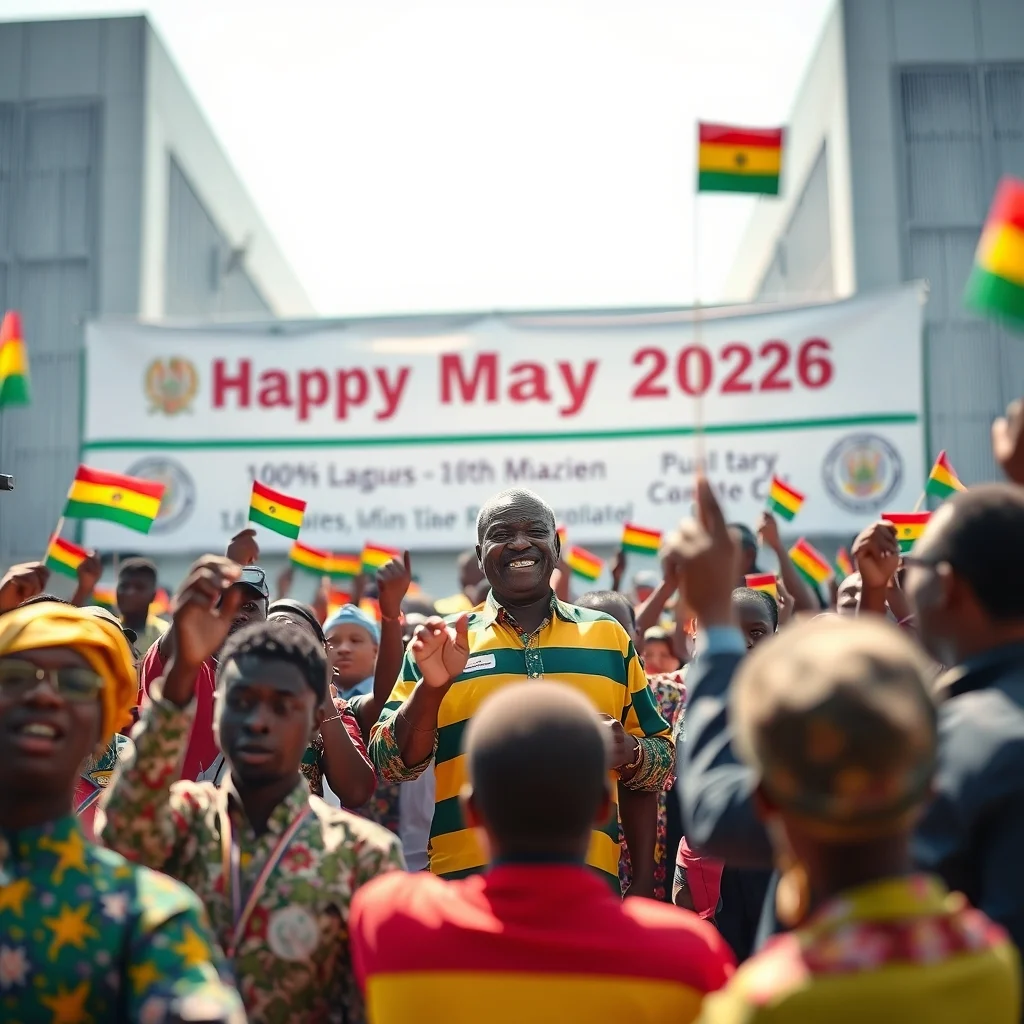
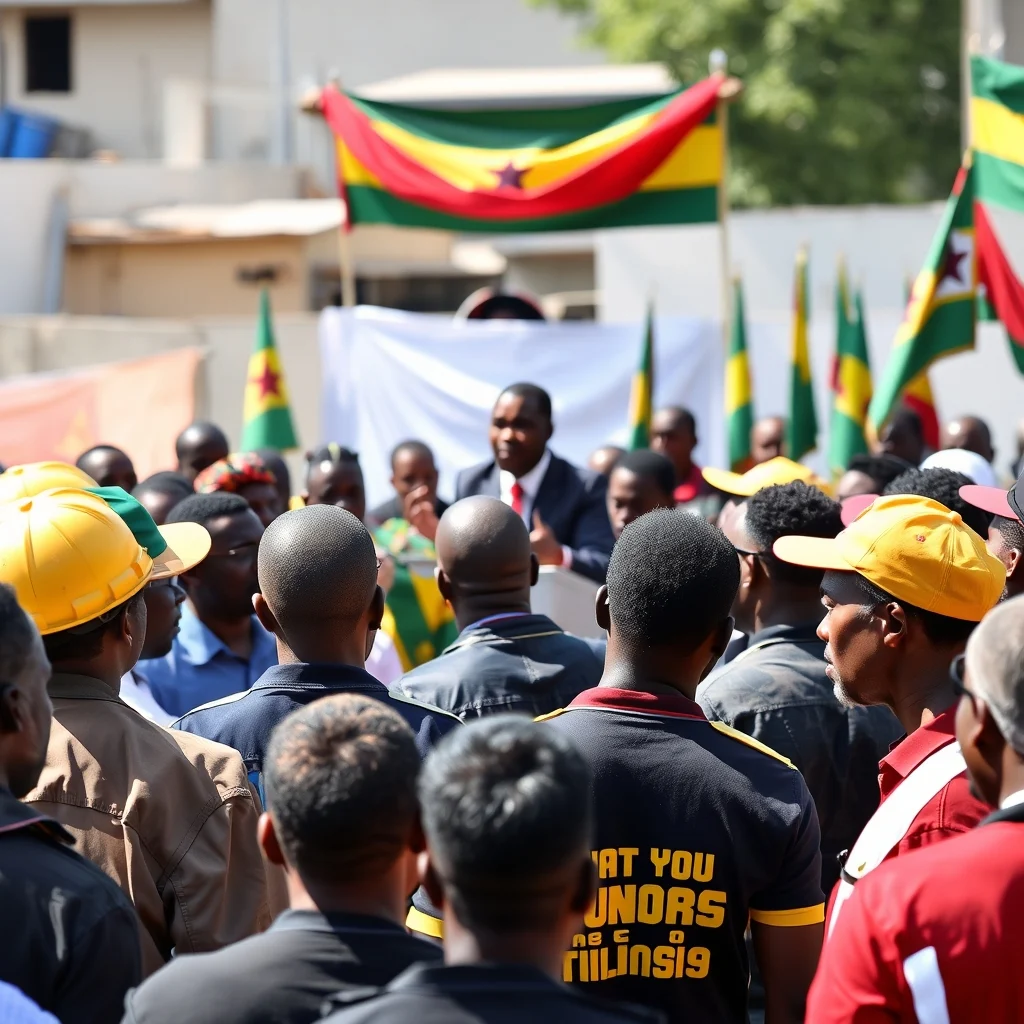
President John Dramani Mahama announced during the May Day celebrations in Koforidua that Ghana is transitioning from macroeconomic stabilization to a new phase focused on aggressive job creation and economic expansion under the “Reset Ghana Agenda.” The government’s immediate priority is to leverage recent economic stability to generate tangible opportunities, particularly for the nation’s youth.
From Stability to Opportunity
President Mahama stated that the administration has successfully restored macroeconomic stability and is now aggressively pursuing growth and job creation. He emphasized that the goal extends beyond mere economic management to active expansion, aiming to create jobs and prosperity for all Ghanaians.
“Our mission is clear: we want to turn stability into opportunity. Under the Reset Ghana Agenda, we will continue to prioritise the creation of decent jobs for our youth and Ghana’s workforce,” the President declared.
He underscored that economic stability is merely a foundation, with the ultimate aim being improved living standards and a better life for households and families.
Strategic Allocation and Key Pillars
To achieve these goals, President Mahama revealed that the Finance Minister will soon present a new economic policy to Cabinet and Parliament. This policy will earmark 1 percent of GDP annually for investment in selected high-impact sectors identified for their strong job creation potential.
Value addition and the digital economy are highlighted as crucial pillars of this transformation agenda. These investments are designed not only to create employment but also to empower the workforce.
The 24-Hour Economy Initiative
A significant component of the new strategy is the 24-hour economy policy, recently approved by Parliament. This policy aims to drive a major shift in industrial operations to boost productivity and employment by encouraging businesses to operate beyond the traditional 8-hour workday.
The manufacturing sector, in particular, is set to benefit from tax incentives and reduced electricity costs for firms that adopt multiple-shift operations. This initiative is presented as a flagship element of Ghana’s broader growth strategy, focused on expanding production, increasing exports, and ultimately, creating more jobs.
Broader Economic Vision
The overarching direction of government policy is to translate economic stability into inclusive growth and sustainable livelihoods for the Ghanaian population. The “Reset Ghana Agenda” signifies a deliberate move to ensure that economic progress directly benefits the citizenry through meaningful employment and enhanced living standards.
The government’s focus on targeted sector investment, digital transformation, and extended operational hours signals a comprehensive approach to tackling unemployment and fostering widespread economic development. What remains to be seen is the specific implementation details of these policies and their tangible impact on job creation figures in the coming months.




Leave a Reply