

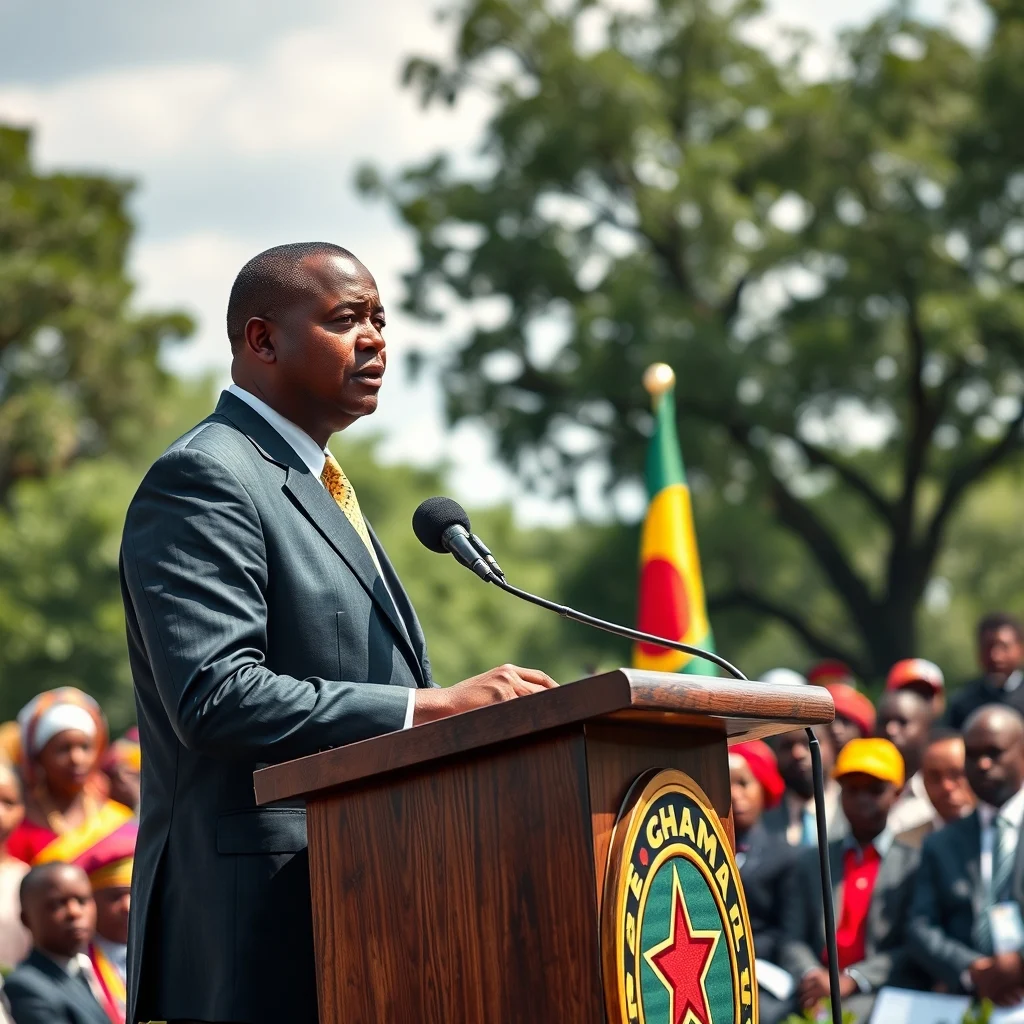
President John Mahama announced significant reforms to Ghana’s public sector compensation and pension systems on Friday, May 1, 2026, during the May Day celebrations in Koforidua. The initiative aims to establish an Independent Emoluments Commission to overhaul public worker remuneration and review pension adequacy, signaling a broad reset to promote fairness, transparency, and better working conditions.
Establishing an Independent Emoluments Commission
The government, in collaboration with the Fair Wages and Salary Commission, is developing plans for a new Independent Emoluments Commission. This body will be responsible for creating a structured and equitable remuneration system that spans all public sector employees, from the highest office to the entry-level positions.
“This new commission will create a new and fairer system for remunerating all public workers, from the President right down to the lowest-paid Ghanaian worker,” President Mahama stated.
This initiative seeks to address long-standing distortions associated with Article 71 conditions of service and emoluments, a topic that has frequently sparked public debate. The reforms are intended to ensure that public sector salaries are more reflective of current market realities.
Improved transparency in wage determination is a key objective, with the expectation that these changes will help reduce labour unrest and worker uncertainty.
“The independent commission will provide a fairer, more transparent salary structure that ensures that public sector salaries align with market realities, reducing strikes and worker uncertainty,” the President explained. He characterized the move as a “reset of the compensation structure” designed to guarantee fairness and a living wage that accounts for the actual cost of living.
Reviewing the Public Sector Pension System
In addition to salary reforms, the government is also undertaking a comprehensive review of the current tiered pension system. Introduced several years ago, this system has not undergone a thorough assessment since its implementation.
President Mahama acknowledged widespread concerns from workers regarding the adequacy of pensions under the existing framework.
“Since the pension reforms were implemented several years ago, we have not conducted a review of the new system. Many years after the introduction of the tiered pension structure, many workers still complain of inadequate pensions,” he noted.
A formal review of the pension scheme is scheduled to commence shortly. This will be followed by consultations involving Organised Labour and other key stakeholders to identify and implement potential reforms.
The overarching goal of these reforms is to foster a more sustainable and equitable system. This system aims to provide robust protection for workers, both during their active careers and in their post-retirement years.
Implications for Public Sector Workers and Beyond
The establishment of an Independent Emoluments Commission and the review of the pension system signal a significant shift in Ghana’s approach to public sector management. For public sector employees, these reforms promise greater clarity and fairness in compensation, potentially leading to increased job satisfaction and reduced industrial disputes.
The alignment of salaries with market realities could also make public sector jobs more competitive, attracting and retaining talent. Transparency in wage setting is expected to build greater trust between the government and its workforce.
For pensioners, the review of the tiered system offers hope for improved financial security in retirement. Addressing the adequacy of pensions is crucial for ensuring that retired public sector workers can maintain a reasonable standard of living.
The constitutional review process regarding Article 71 conditions of service suggests a willingness to tackle deeply entrenched issues, potentially leading to more equitable distribution of public resources.
Looking ahead, the success of these reforms will depend on the effective implementation of the commission’s recommendations and the meaningful engagement with stakeholders. The government’s commitment to transparency and fairness will be tested as these significant changes unfold, with particular attention on how the new structures will balance fiscal responsibility with the needs of the public workforce.








Leave a Reply