
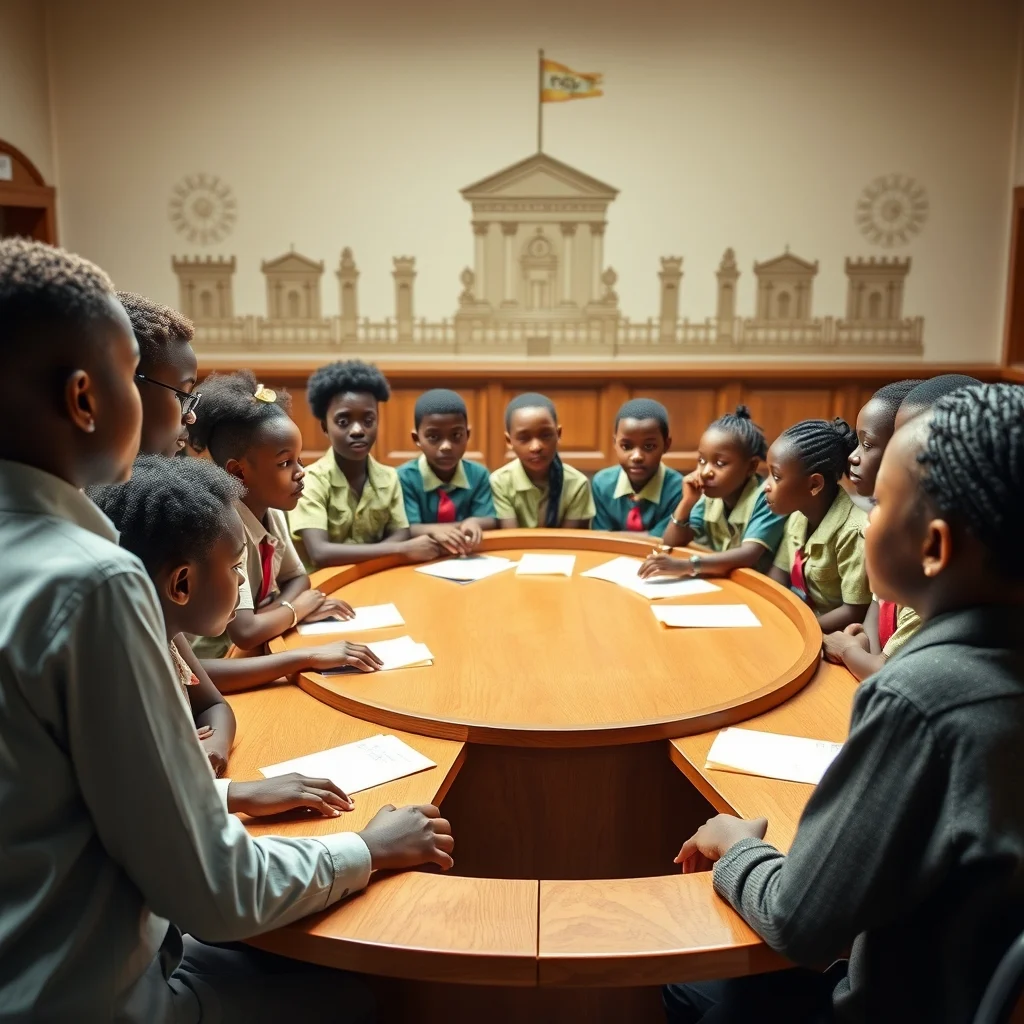
The Parliament of Ghana has officially launched its inaugural ‘Mini Parliament,’ a groundbreaking initiative designed to actively involve children in national decision-making processes by providing them with a platform to debate and deliberate on key issues. The launch took place at Parliament House, signaling a new era of inclusive governance and youth engagement in the country.
Giving Children a Voice in Policy
The initiative aims to bridge the gap between policymakers and the younger generation, ensuring that the perspectives of children are considered in the development of policies that affect them. This move reflects Ghana’s commitment to transparency and building public trust, recognizing that citizens, particularly the youth, increasingly demand to be heard.
Madam Helen Ntosu, Chairperson of the Parliamentary Committee on Gender, Children and Social Protection, emphasized that the era of making policies for underrepresented groups without their direct input is now over. This sentiment was echoed by various stakeholders at the launch event.
A Collaborative Effort for Civic Education
The Mini Parliament is a collaborative project spearheaded by the Parliament of Ghana in partnership with the African Centre for Parliamentary Affairs (ACEPA), UNICEF, and the Learning Tree Foundation. This multidisciplinary approach leverages the expertise of each organization to create a robust and impactful program.
As outlined in a statement from David Sebastian Damoah, Director of Media Relations at the Parliamentary Service, the Mini Parliament allows children to step into the shoes of Members of Parliament (MPs). They engage in structured debates on real national issues, fostering a practical understanding of parliamentary procedures and governance.
The Importance of Child Participation
Paulina Sarvilahati, Chief Social Policy and Inclusion Officer at UNICEF, highlighted the significance of child participation, noting Ghana’s pioneering role as the first nation to ratify the UN Convention on the Rights of the Child. She encouraged the young participants to be confident and vocal in expressing their views, underscoring their right to be heard, protected, and educated.
Superintendent (Retd.) Effia Tenge, Parliament’s Director of Public Engagement, shared compelling data that informed the initiative’s creation. The department has hosted over 44,000 visitors since 2023, with over 70 percent being primary and junior high school students. She observed that many young visitors found parliamentary procedures challenging to comprehend, necessitating a more interactive and accessible educational approach.
Interactive Learning for Future Leaders
The Mini Parliament is designed as a practical, hands-on platform. It empowers children to simulate parliamentary roles and debate critical issues that impact young people. The overarching vision is to cultivate a generation of Ghanaian citizens who are well-equipped to contribute meaningfully to national development.
The inaugural session of the Mini Parliament focused on the





Leave a Reply