
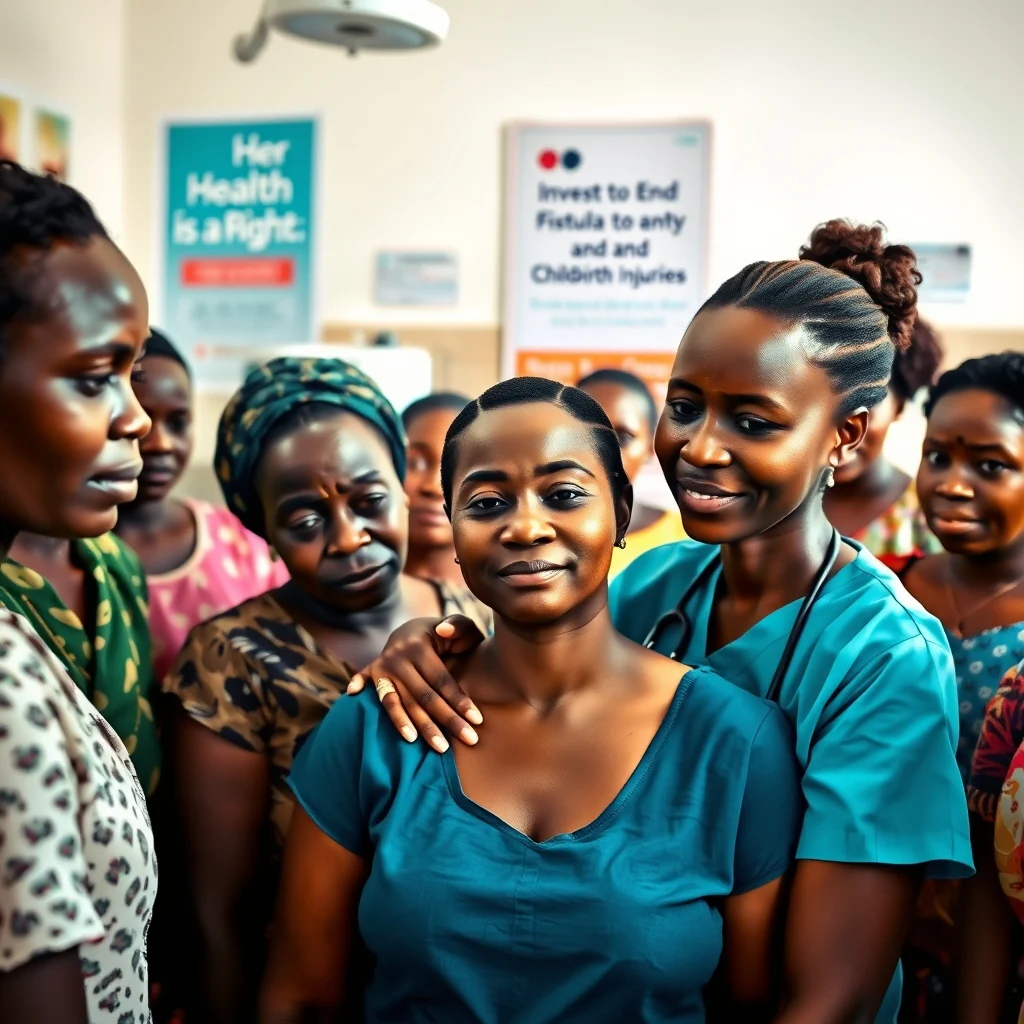
In Ghana, over 7,000 women are currently living with obstetric fistula, a debilitating condition primarily caused by prolonged and obstructed labor, highlighting a critical need for improved maternal healthcare services. Health experts raised this alarming figure during an awareness campaign in Kumasi, coinciding with World Obstetric Fistula Day, under the theme “Her Health Is a Right: Invest to End Fistula and Childbirth Injuries.” This situation underscores a significant public health challenge affecting thousands of women nationwide.
Understanding Obstetric Fistula
An obstetric fistula occurs when prolonged, obstructed childbirth leads to continuous leakage of urine or feces. This condition arises from the continuous pressure of the baby’s head against the mother’s pelvic bones during labor. This pressure can damage the tissues between the bladder and rectum, leading to a tear or hole, known as a fistula.
Dr. Adzi Kofi Gudugbe, an obstetric specialist with the United Nations Population Fund (UNFPA), explained the physiological process. “When this happens, the baby’s head is pressed firmly against either the bladder or the rectum, and because of the prolonged pressure, the tissue in that area can die,” he stated.
The Devastating Social Impact
Beyond the physical suffering, obstetric fistula carries immense social and emotional burdens. Affected women often face severe isolation and stigmatization within their communities and even their families. The uncontrollable leakage results in a persistent, strong odor that leads to social withdrawal.
“The stench is so strong that the woman withdraws from society. Even their partners sometimes leave them, and some communities wrongly believe they are witches,” Dr. Gudugbe revealed. This societal rejection exacerbates the trauma, leaving women emotionally devastated and ostracized.
Statistics and Annual Burden
Ghana records a significant number of new cases each year, with nearly 800 new obstetric fistula cases reported annually. Recent estimates suggest that approximately 7,130 women were living with the condition as of 2025, painting a stark picture of the ongoing crisis. This persistent incidence rate demands immediate and sustained intervention.
Pathways to Elimination
Experts emphasize that the key to eliminating obstetric fistula lies in improving access to skilled delivery services and timely emergency obstetric care. Ensuring that women have access to trained healthcare professionals during childbirth can prevent prolonged and obstructed labor, thereby averting fistula development.
Dr. Gudugbe outlined the scale of the challenge for repair. “To achieve the target of eliminating obstetric fistula in Ghana, we need to repair close to 2,500 cases every year for the next four years,” he said. This highlights the substantial surgical backlog and the intensive effort required for remediation.
Current Interventions and Future Needs
In response to the crisis, health authorities and partner organizations have initiated free fistula repair surgeries across several centers nationwide. These crucial services are scheduled to run from the present until mid-June 2026, offering a lifeline to many affected women.
However, the effort requires broader support. Dr. Gudugbe made an appeal to the private sector, corporate institutions, and philanthropists to contribute funding and establish partnerships to bolster the national campaign. Sustained financial and logistical support is vital for scaling up prevention and treatment efforts.
Looking Ahead
The ongoing efforts to combat obstetric fistula in Ghana signal a critical juncture. The success of current repair initiatives and the broader goal of elimination hinge on sustained investment in maternal healthcare infrastructure, skilled birth attendants, and accessible emergency obstetric services. Public awareness campaigns will also need to continue to reduce stigma and encourage timely seeking of care. The coming years will be crucial in determining Ghana’s progress toward eradicating this preventable condition and ensuring the reproductive health rights of all women are met.










Leave a Reply