

Accra, Ghana – Academics and education experts are advocating for the urgent integration of climate science into Ghana’s basic education curriculum following the 2026 Climate Health and Education Conference held at the University of Ghana. The push aims to bolster the nation’s climate action strategy by enhancing climate literacy among educators and students, addressing persistent misconceptions about the crisis.
The conference, a collaborative effort between the University of Ghana, the University of Education, Winneba (UEW), KNUST, and Indiana University, convened researchers, policymakers, and teachers. Its primary objective was to strengthen Ghana’s response to climate change through enhanced education, research, and inter-institutional partnerships.
Addressing Misconceptions in Climate Education
Assistant Professor Samuel Nyarko of Indiana University Indianapolis highlighted significant gaps and misconceptions surrounding climate change knowledge among Ghanaian educators and students. His research, conducted over the past five years, revealed that despite a general understanding, many teachers hold inaccurate beliefs.
“We found that while a lot of them have very good knowledge about climate change, there also exist a lot of misconceptions and wrong ideas,” Professor Nyarko stated during his presentation. He cited examples of misinformation, such as attributing climate change to ozone depletion or mistaking it as the primary cause of certain health issues like cataracts.
These findings directly informed the development of a new curriculum designed to rectify these misunderstandings and equip teachers with effective pedagogical tools for climate education. The initiative seeks to ensure accurate climate science is disseminated to the younger generation.
Call for Increased Government Investment and Curriculum Reform
Professor Nyarko raised concerns about the allocation of government funds towards climate action, particularly the lack of investment in teacher training. He pointed out that out of $12 billion spent on climate mitigation in Ghana, no funds have been specifically directed towards training educators on climate change.
He urged for immediate action, including fundamental reforms to the basic education curriculum. “Government should try bringing earth sciences, environmental science education into the basic curriculum,” Professor Nyarko emphasized, stressing the foundational importance of these subjects.
Bridging Global Expertise with Local Realities
Dr. Abigail Mecry Opong Tetteh, Program Manager at Indiana University Ghana Gateway, underscored the importance of connecting international expertise with Ghana’s specific context. The program focuses on teacher-centric training to empower educators nationwide.
“We always talk about climate change in conferences and workshops, but we do not involve teachers. Now the gap is that there’s a disconnect between what we hear on the radio and what teachers teach in the classroom,” Dr. Opong Tetteh explained. The training program aims to bridge this divide.
The curriculum development was intentionally designed to be contextually relevant to Ghana, utilizing local facilitators. “It is not something imported from Indiana, but using Ghanaians and Ghanaian context. That is what the curriculum is about,” she added.
Ripple Effect of Teacher Training
The initiative is expected to create a ripple effect, extending its impact beyond the 61 participating teachers, who were selected from various regions across Ghana. These educators are poised to disseminate their enhanced knowledge within their communities.
Dr. Opong Tetteh described the program as a strategic approach to improving climate education at a grassroots level, fostering a more informed and climate-resilient society. The training aims to empower teachers to become agents of change.
Urgency of Anthropogenic Climate Education
Dr. Benjamin Darko Asamoah, a Senior Lecturer at the University of Energy and Natural Resources and a participant, stressed the critical need for climate education in understanding human-driven climate change. He highlighted that the primary cause of the crisis is anthropogenic activities.
“It is very important that we receive some bit of training and education so that we as educators can go back to the classroom to impact our students,” Dr. Asamoah stated. He views the workshop as a vital platform for knowledge exchange and professional development.
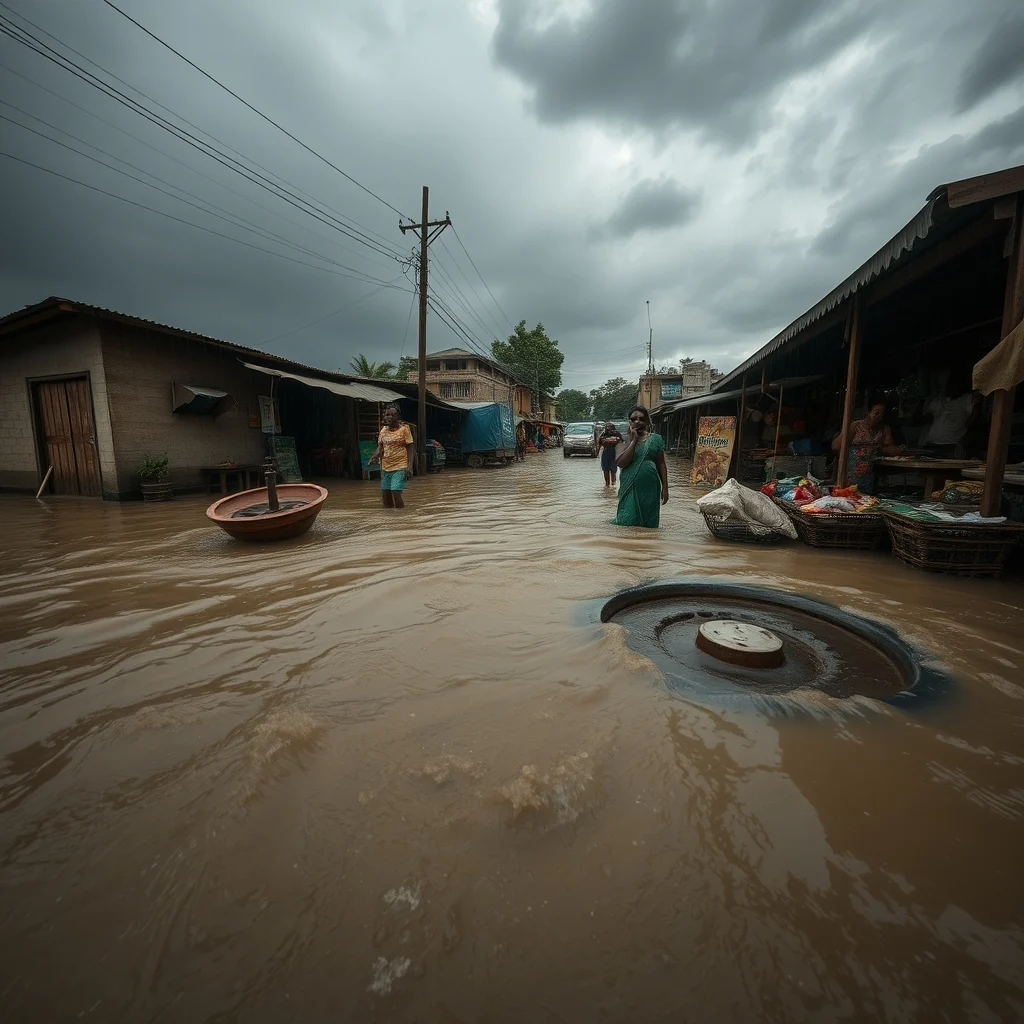
The conference highlighted the tangible impacts of climate change, such as increased flooding and heat stress, already affecting Ghana. The discussions reinforced the necessity of policy reforms, comprehensive teacher training, and curriculum updates as integral components of the nation’s climate action plan.
Future Outlook
The ongoing dialogue and curriculum development initiatives signal a growing commitment to embedding climate education within Ghana’s core educational framework. Future efforts will likely focus on scaling up teacher training programs, evaluating the effectiveness of the new curriculum, and ensuring sustained government support and integration into national educational policies. Watch for further developments on how these educational reforms translate into improved climate literacy and action across Ghana.








Leave a Reply