
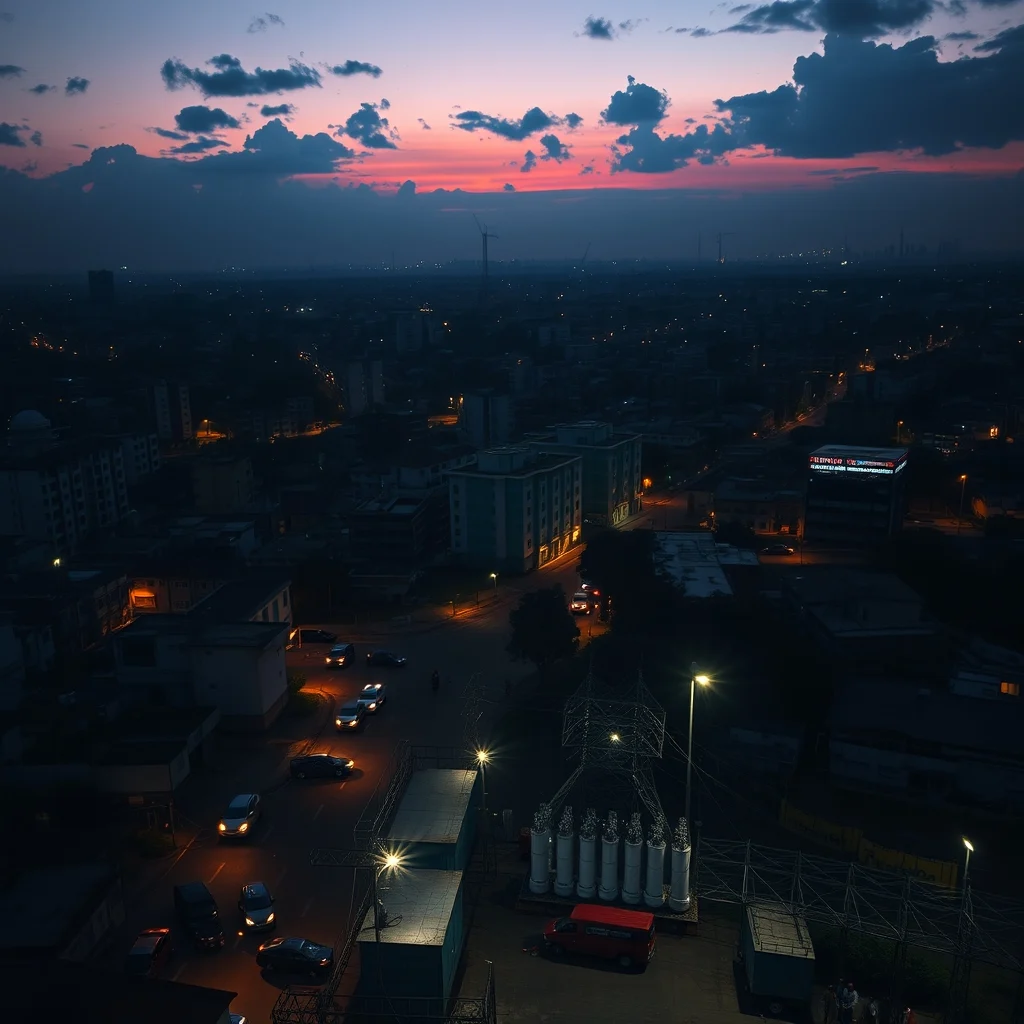
Ghana is grappling with a recurring energy crisis, characterized by power outages that echo past challenges. The current difficulties stem from a complex interplay of infrastructure vulnerabilities, financial pressures on the sector, uncertainty in fuel supply, and underlying political tensions. While officials often cite technical incidents for the disruptions, critics argue these events expose deeper structural weaknesses.
Infrastructure Strain and Transmission Gaps
Despite possessing significant installed generation capacity, reportedly around 6,000 MW against a peak demand of approximately 4,300 MW, Ghana’s power challenges persist. This disparity suggests that the core issues lie not in generation capacity itself, but in the reliability of transmission, the ability to dispatch power effectively, grid resilience, and the sector’s overall financial health.
Recent incidents, such as a reported fire at the Akosombo substation, have hampered the transmission and dispatch of available power. Industry observers suggest a substantial amount of power may have been temporarily constrained or “stranded,” raising critical questions about grid redundancy, backup systems, and the urgent need for continued investment in transmission infrastructure. Some reports indicate that parts of the grid infrastructure date back to the 1950s, highlighting a significant modernization deficit.
Financial Fragility and Arrears
The energy sector remains under considerable financial strain. Although the government has reportedly made substantial payments towards arrears owed to fuel suppliers and Independent Power Producers (IPPs) over the last 18 months, significant obligations are alleged to remain outstanding. Estimates place these unpaid balances in the hundreds of millions of dollars, though precise figures require official confirmation.
The dual pressures of suppliers demanding payment and consumers resisting tariff increases, coupled with political debates over responsibility and an aging grid, place immense pressure on the nation’s Energy and Finance Ministers. This creates a challenging environment for managing the sector’s complex demands.
The Critical Fuel Factor
Fuel costs represent a major component of Ghana’s power sector expenses. The country continues to rely partly on imported and price-sensitive feedstocks, with some thermal power plants reportedly exposed to expensive liquid fuels. This dependence contrasts with Ghana’s acknowledged potential for domestic natural gas resources.
The challenge, according to sector analysts, is not merely the existence of gas resources but the ability to develop, transport, and integrate them reliably and affordably into the power system. This process is often described as more complex than it appears.
LNG Ambitions and Commercial Headwinds
Liquefied Natural Gas (LNG) is viewed by some analysts as a potential transitional solution to enhance energy security. However, Ghana’s LNG strategy, particularly the Tema LNG project, has faced scrutiny regarding its commercial viability and associated challenges.
Several years ago, the London-based Helios Investment Group was involved in an ambitious LNG infrastructure project at Tema, intended to bolster energy security and establish Ghana as a regional LNG hub. Publicly available information and industry estimates suggest substantial project exposure, potentially exceeding $300 million, though this figure requires independent verification.
Asset Performance and Financial Pressures
Reports from industry sources allege that the Tema LNG-related investment has encountered valuation pressures and commercial underperformance. There are also unverified claims that a purpose-built vessel is docked at Tema while a related vessel has not achieved full commercial operation as initially planned.
Market allegations also point to financial stress surrounding the project, including claims of delayed vendor payments and financing difficulties. These assertions remain unconfirmed and await verification through audited accounts, lender records, or official statements.
Legal and Commercial Risks
Speculation exists within the market regarding potential legal or commercial disputes among parties associated with the broader LNG project structure. Until formal proceedings are initiated or official records are available, these potential disputes should be considered unverified. No definitive conclusions regarding liability or misconduct can be drawn without determination by a competent authority.
A Cautionary Infrastructure Tale
If the reported challenges are accurate, the Tema LNG experience serves as a cautionary example for large-scale public-private infrastructure projects, especially in sensitive sectors. Such ventures often depend heavily on long-term offtake agreements, regulatory stability, disciplined financing, technical execution, currency predictability, and effective government-sector coordination.
What was envisioned as a project to strengthen Ghana’s energy security may not have yet realized its full commercial potential, according to some observers. A definitive assessment, however, requires access to the complete contractual, financial, regulatory, and operational details.
The Path to Sustainable Energy
As Ghana navigates this period of power instability, addressing the underlying structural issues is paramount for long-term energy security. Key reforms must include sustained investment in transmission and grid resilience, a credible financial restructuring across the entire energy value chain, and ensuring reliable access to affordable fuel sources.
Achieving a stable power system requires more than just sufficient generation capacity. It necessitates a system that is technically robust, financially sustainable, contractually sound, and insulated from the volatility of political cycles. The future of Ghana’s energy sector hinges on these critical reforms.




Leave a Reply