
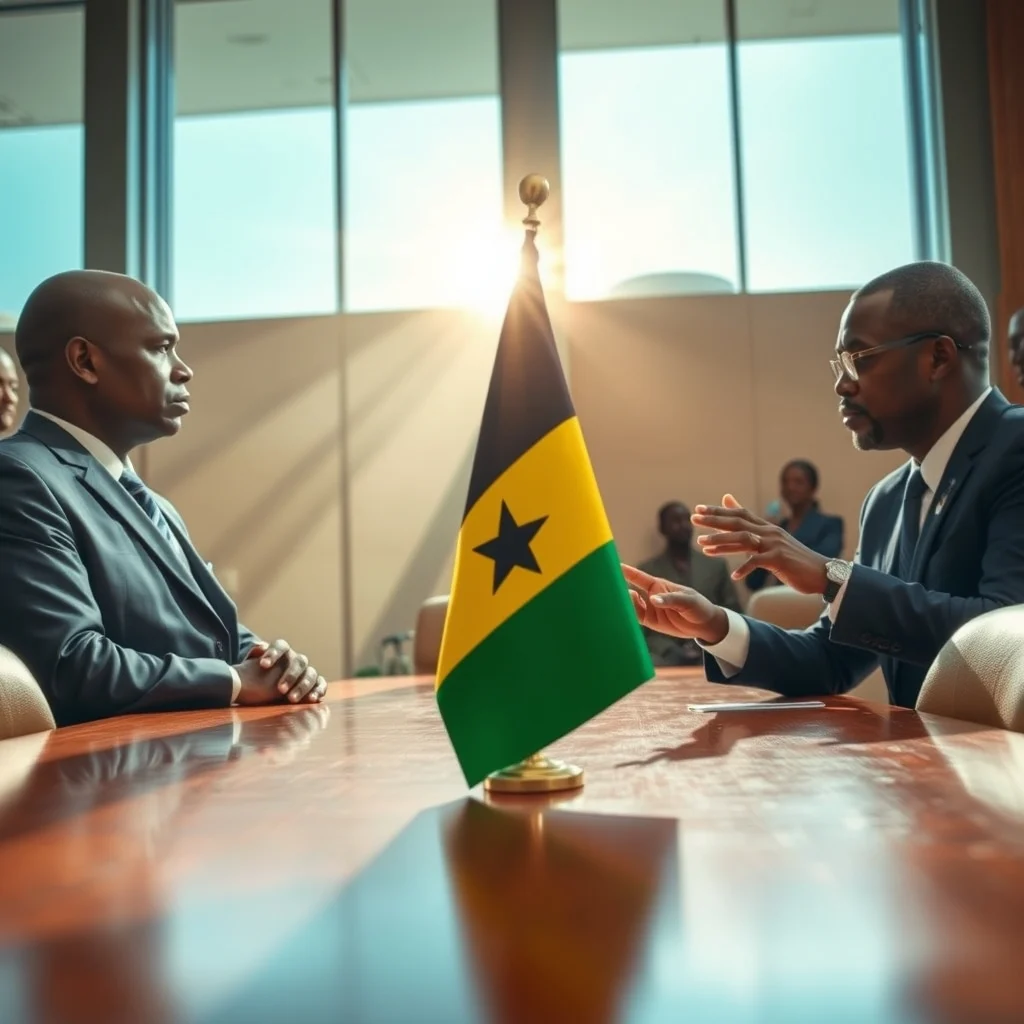
Ghana’s national security hinges on the effective leadership of its Ministry of Defence, a crucial institution responsible for safeguarding sovereignty, managing external threats, and ensuring socio-economic stability. The ongoing reliance on an acting Defence Minister, while maintaining operational continuity, highlights an urgent need for a substantive appointment to address evolving regional security challenges and bolster national defence strategy.
Context: The Ministry of Defence and its Role
The Ministry of Defence plays a pivotal role in Ghana’s national security. Its mandate extends to organizing and disciplining the military, managing disasters, providing humanitarian support, and participating in international peacekeeping operations. Furthermore, it fosters vital bilateral and multilateral partnerships, contributing to employment generation and national unity, all of which are fundamental for sustainable development.
The Defence Minister is central to this framework. This individual oversees the armed forces, ensures operational readiness, shapes defence policy, manages substantial budgets, and cultivates strategic alliances. Effective leadership here is critical for internal security, deterring external threats, and successfully executing peacekeeping missions.
Increased Budget, Lingering Concerns
For the fiscal year 2026, Ghana’s Ministry of Defence received a significant allocation of GHC 10.77 billion, representing 3.2% of the national budget. This is a substantial increase from previous years, positioning defence as the fourth largest budgetary priority. The year-on-year increment of 68.8% is the most considerable in recent history, driven by procurement needs, personnel costs, infrastructure development, and heightened security requirements.
This increased budget and continued operational successes might suggest that interim leadership is sufficient. However, pressing concerns necessitate a permanent appointment. The current acting minister’s background in finance, while beneficial, may not adequately convey the Ministry’s strategic importance to external partners, where defence or security expertise is conventionally expected.
Expertise and Strategic Vision
While the deputy defence minister possesses experience within the Ghana Armed Forces, this may lack the professional and academic depth required for high-level strategic decision-making. The development and implementation of a new defence policy or strategy, with the most recent document dating back to 2021, is critically overdue. A substantive minister with relevant expertise is essential for crafting and executing such a vital strategic framework.
Ghana’s defence budget, at 3.2% of total government expenditure, aligns closely with the African average of 3.5%. However, it remains below the African Union’s target of 2% of GDP. Per capita defence expenditure in Ghana (USD 2.36) is also notably lower than in neighboring countries like Ivory Coast (USD 21) and Nigeria (USD 6), despite comparable or higher percentage allocations.
Internal Cohesion and External Perceptions
Beyond strategic needs, appointing a substantive minister can address internal party cohesion. The current reduced size of the government has led to perceptions of marginalization among some party members. A permanent appointment would demonstrate the government’s commitment to competence and inclusivity, potentially mitigating perceptions of mistrust and indecision.
Regional instability, terrorism, and geopolitical tensions present significant security challenges for Ghana. Recent incidents, such as attacks on traders in Burkina Faso and fishermen in Ewutu, have disrupted economic activities and increased public fear. These events underscore the urgent need for robust intelligence and proactive management, driven by decisive leadership within the Ministry of Defence.
Implications and Future Outlook
The leadership vacuum at the Ministry of Defence has tangible implications for governance and security. Delays in decision-making, policy implementation, and international coordination can impact military readiness and response capabilities. Furthermore, prolonged reliance on interim arrangements risks undermining morale and discipline within the armed forces, potentially affecting public confidence and national stability.
While the resilience and management efforts of the acting minister and the president are commendable, continued reliance on interim leadership poses risks. The immediate appointment of a substantive Defence Minister is essential to fortify Ghana’s security architecture, ensure effective policy development, and maintain national progress amid complex regional and global security dynamics. The focus will now be on whether President Mahama prioritizes this crucial appointment to bolster national security and strategic coherence.





Leave a Reply